 EN
EN
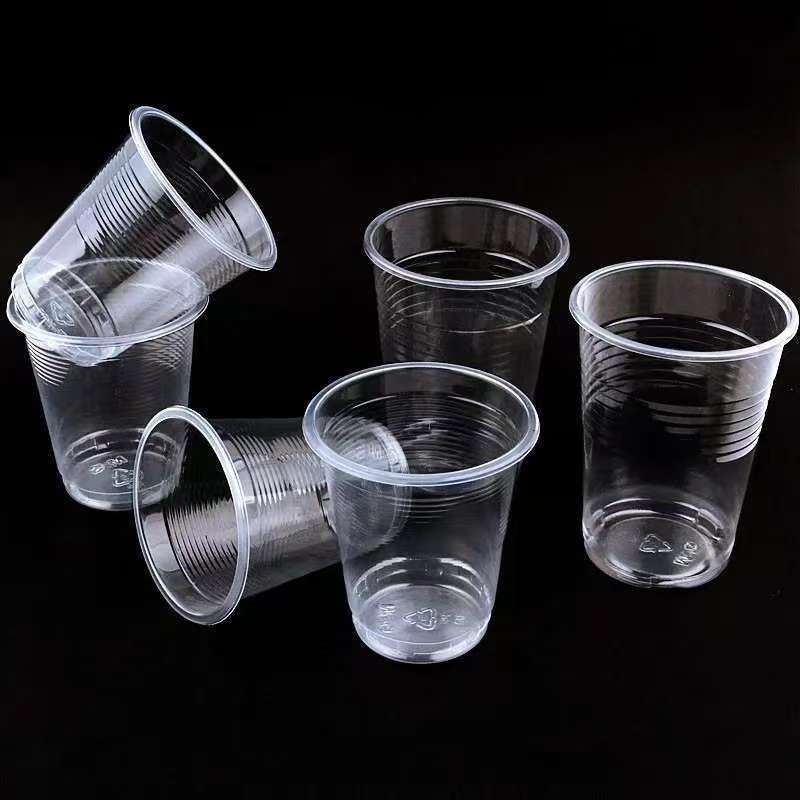
The manufacturing landscape for plastic products continues to evolve rapidly, and thermoforming machines stand at the center of this transformation. Modern thermoforming machines represent a critical investment for businesses producing everything from food packaging to industrial components. Understanding the trajectory of thermoforming machines helps manufacturers stay competitive while optimizing production quality, cost efficiency, and environmental responsibility. This article explores the key developments shaping the future of thermoforming machines and what industry leaders need to know about emerging innovations.
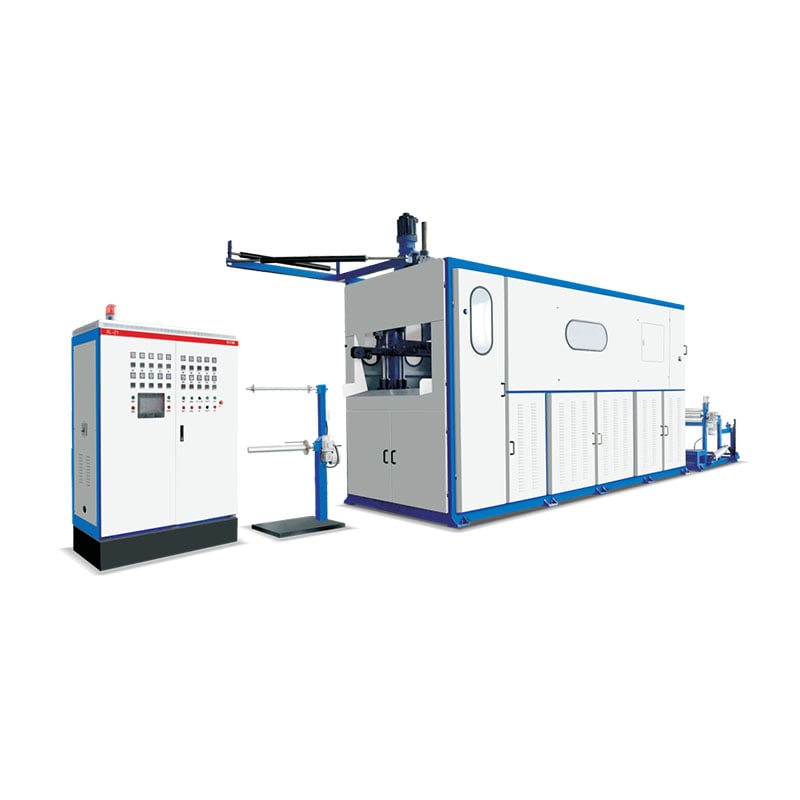
Today's thermoforming machines are becoming smarter, faster, and more sustainable. Manufacturers are increasingly adopting advanced thermoforming machines equipped with artificial intelligence, predictive maintenance capabilities, and energy-efficient systems. These innovations address long-standing challenges in cycle time reduction, material waste, and operational costs. For production facilities seeking competitive advantage, staying informed about thermoforming machines developments is essential for informed capital equipment decisions.
Automation and Intelligence in Thermoforming Machines
Smart Control Systems and Real-Time Optimization
Thermoforming machines now incorporate sophisticated automation features that surpass traditional mechanical controls. Modern thermoforming machines integrate IoT sensors, machine learning algorithms, and cloud-based monitoring platforms. These systems continuously analyze production parameters, detect anomalies, and automatically adjust operating conditions to maintain consistent output quality. Real-time data collection from thermoforming machines enables predictive maintenance scheduling, reducing unplanned downtime and extending equipment lifespan. Manufacturers using advanced thermoforming machines report significant improvements in repeatability and traceability across production runs.
Robotic Integration and Labor Optimization
Robotic systems paired with thermoforming machines are transforming material handling and product removal workflows. Collaborative robots work alongside thermoforming machines to stack, trim, and package finished products with minimal human intervention. This integration reduces labor costs, improves worker safety by eliminating repetitive motion tasks, and increases throughput. Thermoforming machines equipped with robotic arms can operate continuously with reduced operator oversight, enabling 24/7 production capability. The combination of thermoforming machines and automation technology allows smaller production teams to manage significantly larger output volumes.
Sustainability and Material Efficiency Advancements
Energy Consumption Reduction in Thermoforming Machines
Energy efficiency remains a primary focus for thermoforming machines manufacturers and end-users alike. Next-generation thermoforming machines utilize advanced insulation, optimized heating elements, and variable frequency drives to reduce power consumption. Some thermoforming machines now feature hybrid heating systems combining electric and radiant sources, achieving energy savings of 20 to 40 percent compared to conventional models. Lower energy consumption directly improves production profitability while supporting corporate sustainability commitments. Operators investing in modern thermoforming machines benefit from lower utility bills and reduced carbon footprint metrics.
Waste Reduction and Material Recovery Technologies
Thermoforming machines are evolving to minimize scrap rates and maximize material utilization. Advanced thermoforming machines now incorporate precision forming dies, improved clamp pressure control, and optimized cooling systems that reduce defect rates significantly. Many thermoforming machines feature integrated scrap grinding and recycling systems that automatically recycle trim waste back into the production cycle. This closed-loop approach within thermoforming machines reduces raw material consumption and waste disposal costs. Recycled material reintegration in thermoforming machines helps manufacturers achieve sustainability targets while improving economic performance.
Production Flexibility and Rapid Changeover Capabilities
Multi-Format Production on Thermoforming Machines
Modern thermoforming machines are designed for rapid format conversion, enabling businesses to serve diverse customer requirements efficiently. Contemporary thermoforming machines support quick-change mold systems, modular tooling platforms, and digital job memory storage. Operators can switch between product specifications on thermoforming machines in minutes rather than hours, responding swiftly to market demand fluctuations. This flexibility in thermoforming machines manufacturing allows companies to reduce batch sizes, manage inventory more effectively, and improve delivery responsiveness. Thermoforming machines with these capabilities enable small-batch custom production to become economically viable.
Digital Process Control and Customization
Thermoforming machines equipped with advanced software platforms allow operators to store, retrieve, and modify production parameters with precision. Digital interfaces on thermoforming machines enable recipe-based production, where complete job specifications are saved and recalled instantly. This digitalization of thermoforming machines processes ensures consistency across production shifts and facilities. Advanced thermoforming machines can adapt heating profiles, forming pressure, and cooling cycles based on material type and part geometry. The sophistication of modern thermoforming machines manufacturing control systems has expanded the range of materials and product designs feasible for thermoform production.
Market Applications and Industry-Specific Innovations
Thermoforming Machines in Diverse Sectors
Thermoforming machines serve numerous industries with specialized requirements driving innovation. Food packaging applications demand thermoforming machines with enhanced hygiene features, improved seal integrity, and faster cycle times. Medical device manufacturers rely on thermoforming machines capable of working with specialty polymers and maintaining strict cleanroom compatibility. Automotive and industrial sectors utilize thermoforming machines for lightweight component production, supporting weight reduction and fuel efficiency initiatives. Each application category pushes thermoforming machines technology forward through specific performance requirements and regulatory compliance demands.
Material Compatibility Expansion
Contemporary thermoforming machines now process an expanded range of materials beyond traditional polystyrene and polypropylene. Advanced thermoforming machines handle bio-based plastics, recycled polymers, and engineering thermoplastics with complex processing requirements. Thermoforming machines designed for high-temperature materials enable production of durable components for demanding applications. The ability of modern thermoforming machines to work with sustainable and advanced materials aligns with industry trends toward circular economy principles. Material flexibility in thermoforming machines manufacturing positions companies to capitalize on emerging market segments and environmental initiatives.
FAQ
What key performance indicators should I monitor on thermoforming machines?
Critical metrics for thermoforming machines include cycle time, first-pass quality rate, energy consumption per part, and equipment availability. Thermoforming machines data collection systems should track mold temperature consistency, material melt temperature, and clamp pressure to ensure process stability. Monitoring these parameters on thermoforming machines enables predictive maintenance and early identification of potential equipment degradation. Overall equipment effectiveness (OEE) is a comprehensive metric combining availability, performance, and quality factors specific to thermoforming machines operations.
How do I evaluate whether upgrading to new thermoforming machines is economically justified?
Conduct a total cost of ownership analysis comparing your current thermoforming machines against proposed new equipment over a 5 to 10-year horizon. Calculate energy savings, labor reduction benefits, improved yield rates, and reduced maintenance costs from new thermoforming machines. Factor in production capacity increases and potential access to new product markets enabled by upgraded thermoforming machines capabilities. Payback period analysis for thermoforming machines typically ranges from 2 to 4 years when considering comprehensive operational benefits beyond purchase price alone.
What training do operators need for advanced thermoforming machines?
Operators working with modern thermoforming machines require foundational training on equipment-specific software platforms and digital control interfaces. Thermoforming machines training should include proper maintenance procedures, troubleshooting methodologies, and safety protocols specific to automated systems. Advanced thermoforming machines operators benefit from continuous education on new features, software updates, and material handling innovations. Investing in comprehensive operator training for thermoforming machines maximizes equipment utilization and minimizes production errors while supporting long-term employee skill development.