 EN
EN
לחץ רגולטורי מאיץ את המעבר לתחום הקיימות מכונת הדפסה על כוסות פלסטיק עיצוב
הוראת ה-PPWR, איסורים של מדינות ארה"ב והמעבר לעיצוב הממוקד בהתאמה לתקנות
התקנות ברחבי העולם משנות את הדרך בה מכונות הדפסה על כוסות פלסטיק מתפתחים בימים אלה. האיחוד האירופי קבע את התקנות החדשות שלו לאריזות ולפסולת אריזות, אשר דורשות שעד שנת 2025 יתאפשר להשתמש בחומרים מחזירים באריזות בשיעור של 65% לפחות. בינתיים, מעבר לאוקיינוס, מדינות כמו קליפורניה פועלות להיפטר לחלוטין מפלסטיק חד-פעמי עד שנת 2032. בשל תקנות אלו, חברות המייצאות את המכונות נאלצו לשקול מחדש את גישתן. במקום להתמקד כל כך בהקטנת העלות, עליהן כעת לעצב ציוד שמאפשר החזרה קלה יותר, עוקב אחר המקורות של החומרים ופועלת טוב יותר כאשר המוצרים מגיעים לסוף מחזור חייהם. המעבר הזה כבר אינו רק עניין של עמידה בחוקים — הוא הופך לחלק סטנדרטי מהפרקטיקה העסקית.
יצרני הציוד המובילים מתחילים לשלב חיישני רזין בזמן אמת ישירות במערכות הבקרה שלהם, יחד עם דוחות אוטומטיים שמעקובים אחר תקנות ההתאמה. עבור חברות שעדיין משתמשות במכונות ישנות יותר, הוספת שדרוגים מודולריים כגון מערכות דיו לולאה סגורה וטכנולוגיות זיהוי חומרים כבר אינה רק נוחה אלא הכרחית אם הן מעוניינות להישאר תחרותיות בשוק של ימינו. השינויים אינם עוצרים גם ברכיבים פיזיים. כשלושה רבעים מעסקים בתחום ההמרה דורשים כיום בדיקות של קיימות מחברות חיצוניות לפני רכישת כל ציוד חדש. זה גרם לייצרנים לכלול כלים להערכה מחזור חיים כאפשרויות סטנדרטיות בעת הגדרת מכונות חדשות – דבר שלא היה נשמע כלל לפני מספר שנים בלבד.
מגבלות בטיחות המזון והתנגדות לחום על שילוב דיו אקולוגי במכונות להדפסת כוסות פלסטיק
דיוות מבוססי מים וניתנים לשבירה ביולוגית זוכים להתייחסות רבה יותר מצד הרשויות בימים אלה, אך עדיין קיימים גורמים רבים המונעים את האימוץ הרחב של דיוות אלו. לפי תקנות ה-FDA, סעיף 21 CFR 175.105, חומרים מודפסים חייבים לשמור על יציבותם גם בעת חשיפה לטמפרטורות של כ-90 מעלות צלזיוס, מבלי לשחרר חומרים מסוכנים. זהו בעיה אמיתית עבור נוסחאות רבות של דיוות הנגזרות מצמחים, אשר פשוט אינן עמידות בחום באותה מידה בהן דיוות המבוססים על נפט מסורתיים. מבחני חום מראים כי ביצועיהן בתחום זה יכולים להיות גרועים עד 40 אחוז. לאחר מכן ישנה הבעיה של המהירות. מכונות הדפסה רוטטיביות מודרניות פועלות במהירויות עצומות, לעתים קרובות מעל 300 כוסות לדקה. במהירויות אלו, שימור הצמיגות הנכונה של הדיו הופך לקритי. לרוב הדיוות החברתיים והידידותיים לסביבה קושי לשמור על מאפייני הזרימה הקבועים במהלך רצף ייצור, מה שמוביל להדפסות מטושטשות ותמונות לא מיושרות, אשר מבזבזות הן זמן והן חומרים.
הקהילה ההנדסית מתמודדת עם האתגר הזה משני כיוונים בו זמנית. מאחד הצדדים, עוסקים בשיפור מערכות הקיבוע באולטרה סגול (UV LED) כדי שדפוסי הביואינק יתייצבו מהר יותר במהלך ההדפסה. במקביל, נוצרות התקדמות גם בעיצוב פיות חדשות המאפשרות להדפיסות לעבור בין סוגי אינק שונים בהתאם לחלק של המוצר שאותו יש להדפיס. לדוגמה, הפילטרים החכמים הללו עשויים להשתמש באינק ידידותי לסביבה בעת הוספת מוטיבים דקורטיביים, אך לחזור לאינק רגיל באזורים שבהם החוזק הוא קריטי ביותר או באזורים שיעברו במגע תדיר עם משטחים אחרים. אם כי שינויים אלו אכן עוזרים לשמור על סטנדרטי הבטיחות המזון ועל קצב הייצור, עדיין נתקלים במכשולים כשמדובר בהשגת התאמה מלאה בין כל החומרים. בעיית ההתאמה הזו ממשיכה להיות מחסום בפני אימוץ רחב של פתרונות הדפסה באמת ברת-קיימות ברחבי התעשייה.
אינק אקולוגי דור הבא למכונות הדפסה על כוסות פלסטיק
דיו מימי וдיה ללא מסיסים: איזון בין עמידות ההדפסה וביצועים סביבתיים
דיוים מודרניים מבוססי מים שאינם מכילים מסיסים הוכיחו כי הם יציבים באותה מידה כמו הדיוים הקלאסיים, אך מקצצים ב-75% בממוצע בגזים ה휘יזנים המסוכנים (VOCs) בהשוואה לדיונים המבוססים על נפט שמשתמשים בהם כבר שנים. התרכובות החדשות כוללות צבעוני בטוחים שאושרו ליצירת מגע עם מזון ועוברים את כל התקנות של הסוכנות האמריקאית למזון ולתרופות (FDA) כפי שמתוארות ב-21 CFR. מה שמעניין במיוחד הוא היכולת הגבוהה שלהם להידבק לפניות גם כאשר מאוחסנים בסביבה קרה או משאירים אותם בטמפרטורת החדר. יצרנים פיתחו גם שיטות מיוחדות לקישוט הדיוים הללו כראוי: בדרך כלל זה כולל חשיפה נוספת של כ-15 דקות לאור אולטרה סגול (UV) או התאמות קלות בתהליך היבוש באינפרה אדום (IR). התוצאה הסופית? עמידות לקליפות השווה לעמידות של סוגי הדיו הקלאסיים, מה שהופך אותם לתחרות רצינית ביישומים תעשייתיים רבים.
מדדי הביצועים מאשרים תפקוד חזק:
- שימור צבע של 95% לאחר 12 חודשי תקופת אחסון
- עמידות לכביסה ב-50 מחזורי כביסה מסחריים ומעלה
- מעבר דיו של פחות מ-2% במבחני מעבר מזון סטנדרטיים
דפוסי דיו ביודגראדבילים במהירות גבוהה: תאימות עם פלטפורמות מכונות הדפסה קיימות לכוסות פלסטיק
דפוסי דיו ביודגראדבילים המבוססים על צמחייה עקפו את מגבלות הצמיגות ההיסטוריות בהדפסה רוטטיבית מהירה. נוסחאות חדשות המשתמשות באסטרים משופרים של סלולוזה מתאימות לאפייני הזרימה של דפוסי דיו קונבנציונליים, מה שמאפשר אינטגרציה חלקה למכונות הדפסה קיימות לכוסות פלסטיק ללא צורך בשינוי מסילות הזנה עיקריות.
הנחתת הצלחה דורשת שלוש התאמות تشغיליות עיקריות:
- יציבות טמפרטורת הפקק (±2°צ) למניעת סטייה בצמיגות
- הפחתת עוצמת האישור באולטרה סגול כדי למנוע פיחות של הקושרים האורגניים
- הארכת מנהרות היבוש ב-0.5–1.2 מטר כדי להבטיח התאדות מלאה של הממסים
ניסויי ייצור מראים שיעור פעילות של 99.2% לאחר המודרניזציה. אימות עצמאי מאגודה למחזור פלסטיק מאשר כי דיוות אלו מתפרקות מהר פי 80 במתקני Composting תעשייתיים בהשוואה לחלופות סטנדרטיות מדיו קריר-UV.
חדשנות במערכת התומכת המאפשרת הדפסה ידידותית לסביבה על כוסות פלסטיק
כוסות מרופדות ב-PLA ומעורבות ב-PETG: השפעתן על הדבקות הדיו, יעילות הקישוט והכיול המכונה
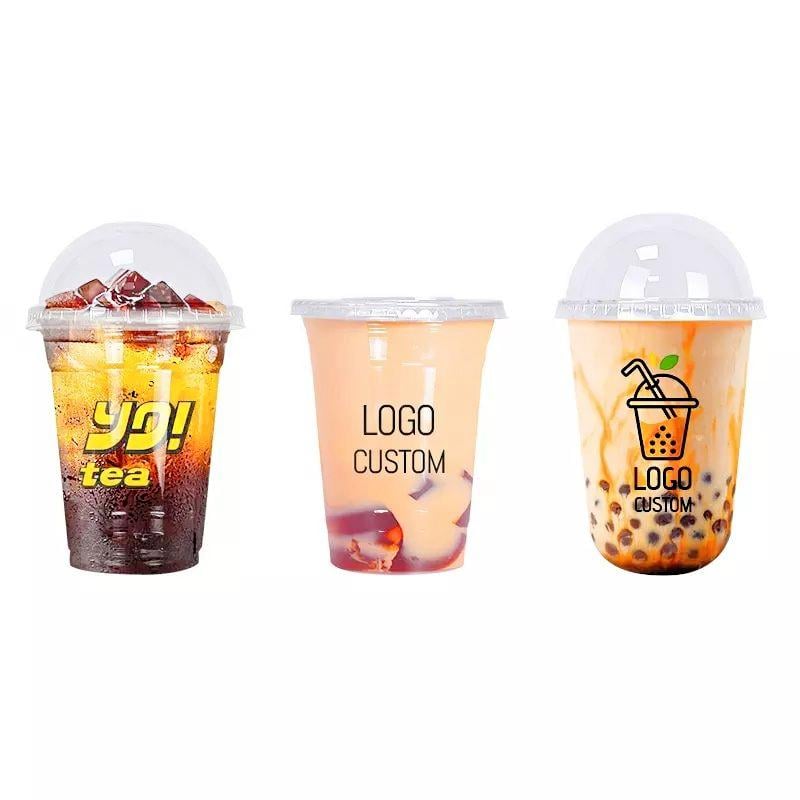
חומרים מבוססי ביוטכנולוגיה כמו כוסות מפוליאקטיד (PLA) ותערובות של PETG גורמים לקשיים אמיתיים בציוד להדפסת כוסות פלסטיות. הבעיה מתחילה עם שטח הפלואיד-המאוד-רבה-במים של ה-PLA, אשר גורם דיוות המבוססות על ממסים להיצמד ב-30 אחוז פחות יעילות מאשר חומר ה-PET הרגיל. כתוצאה מכך, יש למדפסות או להפעיל טיפול פלזמה מראש, או לעבור לשימוש בממיסים מיוחדים שפועלים טוב יותר על שטחים אלו. לאחר מכן מגיע ה-PETG, שנקודת ההיתוך שלו נמוכה בהרבה – כ-85 מעלות צלזיוס, לעומת ה-PET הסטנדרטי שנקודת ההיתוך שלו היא 110 מעלות. בעת הפעלת תהליכי קיבוע באולטרה סגול (UV) בעלי עוצמה גבוהה, חומרים אלו נוטים לעוות ולשנות את צורתם אלא אם כן שומרים על מערכות ניטור טמפרטורה קפדניות באמצעות חיישני אינפרה אדום ומכווננים את אזורי הנורה האינדיבידואליים לפי הצורך לאורך כל רצף הייצור.
שינויים אלו דורשים 재כיול שלושה פרמטרים תלויים זה בזה:
| תשתית | שונות בהיצמדות הדיו | התאמת הקיבוע | מיקוד הכלייברציה |
|---|---|---|---|
| מפוספס ב-PLA | -30% לעומת PET | מייבש ב-30% מהר יותר | לחץ זרבובית +15% |
| מעורבב ב-PETG | -15% לעומת rPET | אזורים נמוכים ב-10° צלזיוס | מהירות חגורה +8% |
קצבים משתנים של התפשטות תרמית משפיעים גם על רזולוציית ההדפסה: החלפת חומרים שלא נערכה מראש בין מנות שונות יכולה להפחית את הנאמנות עד 12%, לפי ה דו"ח חדשנות אריזות 2024 . זה מדגיש כיצד ההתפתחות של החומר הבסיסי דוחפת את תכנון מכונות הדפסת כוסות פלסטיק לכיוון פלטפורמות מתקדמות רב-חומריות עם חיישנים דינמיים ובקרות המתייצבות אוטומטית.
ביקוש שוק דוחף את השדרוג מחדש והשדרוג החכם של מכונות הדפסת כוסות פלסטיק
העדפות הצרכן המשתנות ותקני הרגולציה המתחדדים מאיצים את הביקוש לשדרוג מחדש של מכונות הדפסת כוסות פלסטיק קיימות — ולא להחלפה מלאה שלהן. שדרוגים חכמים ומודולריים מציעים מסלול פרגמטי להיענות לדרישות עמידות בסביבה, תוך שמירה על ההשקעה הכספית.
השוק ראה פתרונות מוצקים בימים האחרונים. לדוגמה, קיימים כעת חיישנים של אינטרנט החפצים (IoT) שמעקבים אחר צריכת הדיו והפסולת בזמן אמת. מערכות קליברציה אוטומטיות עובדות נפלא גם עם חומרים ביודgradable המורכבים האלה. ואל נ забывать את מודולי היציקה באולטרה סגול (UV LED) לחיסכון באנרגיה, שהפכו לסטנדרט די נפוץ בימים אלה. כל השדרוגים הללו עוזרים לשמור על מהירויות ייצור גבוהות תוך הפחתת פסולת החומר בכ-15–20 אחוז. בנוסף, הם מאפשרים לעבד תערובות של PLA ו-PETG באופן אמין, ללא כל הכאב הראש הנלווה. לפי דיווחי מפעילי מפעלי הדפסה ברחבי המדינה, ההשקעה בסוג זה של מודרניזציה מוסיפה בדרך כלל 3–5 שנים לתקופת חיים של הציוד. עובדה זו לבדה הופכת את השדרוג (Retrofitting) למשהו שראוי לשקול כשעוסקים בכך שעסקים חייבים להתאים את שיטות העבודה שלהם כדי לעמוד בדרישות הגוברות sustainability (קיימות) ויעילות בסביבה התחרותית של ימינו.
שאלה נפוצה
אילו התקנות האחרונות משפיעות על מכונות להדפסת כוסות פלסטיק?
תקנות אחרונות, כגון תקנות האיחוד האירופי בנושא אריזות ושאריות אריזה, דורשות מעבר לתרגולים ברות-תפוקה, ודורשות שיעור מינימלי של 65% חומרים מחזוריים עד שנת 2025. בנוסף, מדינות ארצות הברית כמו קליפורניה יעדו להיפטר מהפלסטיות חד-פעמיות עד שנת 2032, מה שמשפיע על עיצוב מכונות להדפסת כוסות פלסטיק.
אילו קשיים ניצבים בפני דיוים ביו-התנפצים בהדפסת כוסות פלסטיק?
דיוים ביו-התנפצים ניצבים בפני קשיים בשל עמידותם הנמוכה יותר בחום לעומת דיוים מסורתיים, מה שעלול לגרום לטשטוש ולאי-יישור במהירויות ייצור גבוהות. חוקרים התאמות בתהליכי הקיבוע ובעיצוב הזרקאות כדי למזער את הבעיות הללו.
איך יצרנים משפרים את הדבקות הדיו על חומרי הכוס הביו-בסיסיים?
עבור חומרים ביו-בסיסיים כגון PLA, יצרנים חוקרות פתרונות כגון טיפול פלזמה או שימוש בפרימרים כדי לשפר את הדבקות הדיו. ניטור מתוקשב והגדרות מדויקות של הטמפרטורה במהלך הקיבוע באור UV הם קריטיים למניעת עיוות של חומרים כגון PETG.
מה היתרונות של שדרוג מהותי של מכונות להדפסת כוסות פלסטיק קיימות?
שיפוץ מכונות הדפסה על כוסות פלסטיק עם שדרוגים מודולריים, כגון חיישנים של אינטרנט החפצים (IoT) ומודולי קיבוע UV LED לחיסכון באנרגיה, עוזר לשמור על מהירויות ייצור, למזער בזבוז ולארוך את תקופת השימוש של הציוד, ומציע חלופה יעילה מבחינה עלות-תועלת להחלפת מלאה של המכונה.