 EN
EN

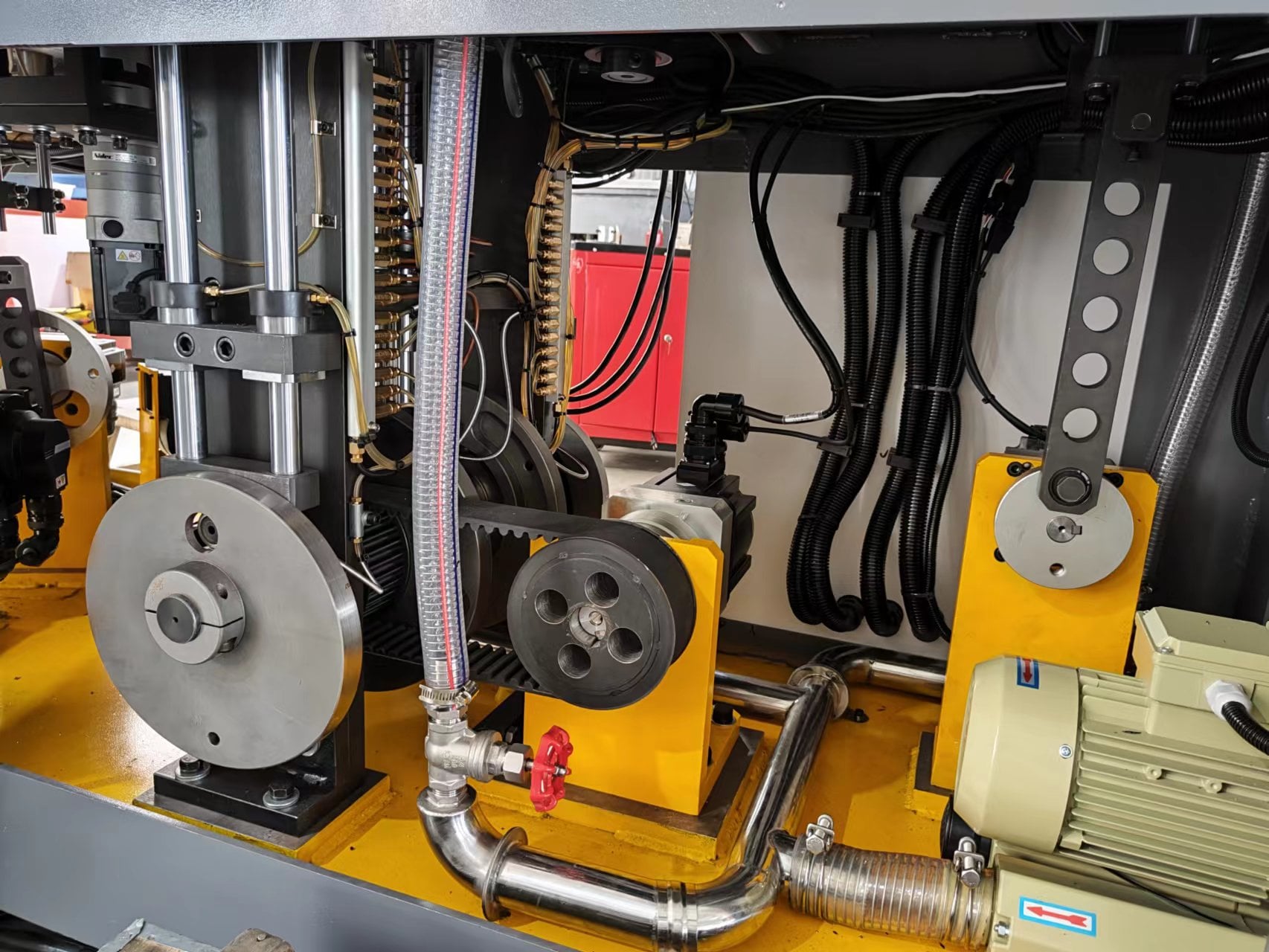
Modern manufacturing facilities face mounting pressure to optimize operational budgets while maintaining or increasing production volumes. Thermoforming machines reduce labor costs by automating repetitive and labor-intensive plastic shaping processes that traditionally required significant human intervention. This shift toward automation directly impacts the bottom line, allowing manufacturers to redirect workforce resources toward higher-value tasks while maintaining consistent quality and throughput across production runs.
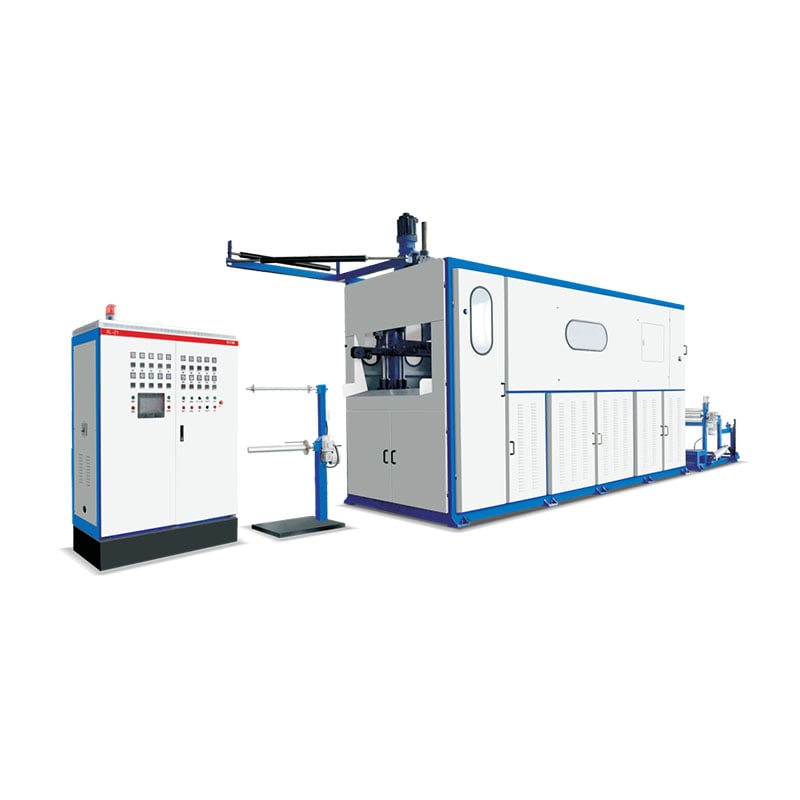
The economic advantage of implementing thermoforming technology extends beyond simple labor elimination. When thermoforming machines reduce labor costs through process automation, manufacturers simultaneously gain faster cycle times, reduced material waste, and improved product consistency. Understanding how these machines function and where they deliver the greatest cost savings helps facility managers make informed investment decisions that align with their production goals and financial constraints.
Automation and Workforce Optimization
How Thermoforming Machines Reduce Labor Requirements
Thermoforming machines reduce labor costs by handling tasks that previously required dedicated operators working through multiple production stages. Modern thermoforming equipment performs heating, forming, trimming, and stacking operations with minimal human supervision. A single operator can now oversee multiple machines simultaneously, effectively multiplying output per labor hour. This efficiency gain means thermoforming machines reduce labor costs not through job elimination, but through strategic workforce deployment where human skills add the most value.
The shift from manual to automated thermoforming represents a fundamental change in production economics. Historically, plastic part manufacturing required skilled technicians to monitor heat settings, timing cycles, and quality parameters throughout each run. When thermoforming machines reduce labor costs, they transfer these repetitive monitoring functions to programmable logic controllers and sensor systems. Operators transition from constant manual intervention to preventive maintenance, quality inspection, and equipment optimization roles that command higher compensation and job satisfaction.
Reducing Fatigue-Related Errors and Rework
Manual thermoforming operations expose workers to repetitive strain injuries and fatigue-induced quality lapses. When thermoforming machines reduce labor costs through consistent, fatigue-free automation, they simultaneously eliminate defects caused by human error during extended shifts. This dual benefit means that fewer workers produce more acceptable parts per shift, compounding the labor cost advantage. The reduction in rework cycles creates additional savings that traditional cost analysis often overlooks when evaluating how thermoforming machines reduce labor costs.
Repetitive motion in manual thermoforming increases worker compensation claims, training requirements for replacement personnel, and productivity loss during shift transitions. Automated equipment operates identically through shift changes, maintaining uniform production quality without performance degradation as workers fatigue. This consistency ensures that thermoforming machines reduce labor costs while improving workplace safety and employee retention metrics that impact overall operational expense.
Production Output and Throughput Acceleration
Cycle Time Reduction and Scaling Benefits
Thermoforming machines reduce labor costs partly through dramatically faster cycle times compared to manual processes. Automated heating systems reach optimal forming temperatures in seconds, while mechanical indexing systems advance material through forming stations without operator delays. A single thermoforming machine might complete a forming cycle every 15 to 30 seconds, a pace that manual operators cannot sustain for extended periods. When thermoforming machines reduce labor costs by accelerating production cycles, the per-unit labor allocation drops significantly, improving gross margins on each plastic component manufactured.
The scaling advantage becomes evident when examining total output per shift. Traditional manual thermoforming might produce 200 to 400 parts per shift with multiple dedicated workers. Modern automated systems operating under similar energy and material constraints produce 1000 to 3000 parts per shift with one or two supervisory personnel. This multiplication of output without proportional labor increase demonstrates how thermoforming machines reduce labor costs while expanding production capacity without facility expansion or capital-intensive infrastructure investments.
Continuous Operation and Overnight Production
Unlike human workers, thermoforming machines reduce labor costs by operating continuously through unattended overnight and weekend shifts when human staffing would require premium wage rates. Facilities can program extended production runs that execute without operator presence, with remote monitoring systems providing alert notifications for critical issues. This capability allows thermoforming machines reduce labor costs while simultaneously meeting aggressive customer delivery schedules without emergency overtime. The ability to produce during low-cost time periods fundamentally alters the unit labor economics across annual production forecasts.
Three-shift operations using thermoforming machines reduce labor costs by spreading fixed equipment investment across 24-hour utilization periods. One night-shift technician monitoring multiple machines accomplishes output that previously required full daytime crews. This scheduling flexibility, impossible with manual processes, creates competitive advantages in markets where demand spikes require rapid production increases without substantial new hiring or training expenditures.
Material Efficiency and Waste Reduction
Precision Forming and Scrap Minimization
Thermoforming machines reduce labor costs indirectly by improving material utilization through precision-controlled forming parameters. Consistent temperature management, exact timing, and repeatable mechanical motion minimize the material scrap that results from manual operator variability. When thermoforming machines reduce labor costs through reduced waste, savings accumulate across material purchasing, waste disposal, and environmental compliance expenses. A facility reducing scrap rates from 15 percent to 3 percent via automation sees material costs drop significantly, magnifying the labor efficiency advantage.
Advanced thermoforming machines reduce labor costs by incorporating trim-in-place and automatic scrap collection systems that eliminate manual trimming labor and material sorting tasks. Operators no longer spend hours separating usable components from excess material; machines handle this automatically. When thermoforming machines reduce labor costs through integrated trimming and collection, facility managers gain both direct labor reduction and secondary benefits from improved material recovery and more efficient downstream recycling processes.
Quality Consistency and First-Pass Yield Improvement
Automated thermoforming systems maintain identical forming conditions across thousands of consecutive cycles, producing uniform wall thickness, dimensional accuracy, and surface quality. When thermoforming machines reduce labor costs by improving first-pass yield rates, inspection and rework labor virtually disappears. Quality control shifts from 100 percent post-production inspection to periodic statistical sampling and preventive monitoring. This transformation means thermoforming machines reduce labor costs in both production and quality assurance departments simultaneously, creating compound savings that significantly exceed simple production floor automation benefits.
The statistical improvement in part consistency also reduces customer returns and warranty claims, eliminating labor expenses in logistics, analysis, and corrective action. When thermoforming machines reduce labor costs through superior quality, these secondary labor reductions often equal or exceed direct production labor savings, making the total economic case for automation more compelling than apparent on initial analysis.
FAQ
What is the typical payback period for investing in thermoforming machines that reduce labor costs?
Payback periods vary based on baseline labor rates, production volumes, and equipment costs, but thermoforming machines reduce labor costs sufficiently that most facilities achieve payback within 2 to 4 years. Higher-wage regions see shorter payback periods, while facilities in lower-wage areas may require 4 to 6 years. The calculation must include secondary savings from waste reduction and quality improvement, which often accelerate payback timelines beyond direct labor displacement alone.
Can older thermoforming machines reduce labor costs, or must we purchase new equipment?
Thermoforming machines reduce labor costs across wide capability ranges, though newer models with integrated automation provide the greatest advantage. Older semi-automatic machines require more operator attention than fully automatic systems, so they deliver less dramatic labor cost reduction. However, retrofitting automation components to existing equipment often provides cost-effective labor savings for facilities with functional machines that lack modern control systems and material handling automation.
How do thermoforming machines reduce labor costs in facilities with existing workforce contracts or union agreements?
Facilities can implement automation to ensure thermoforming machines reduce labor costs through workforce redeployment rather than layoffs, addressing contractual obligations while still achieving operational savings. Workers transition to maintenance, quality, and setup roles that leverage existing skills and experience. This approach allows thermoforming machines reduce labor costs while maintaining productive labor relationships and avoiding disruption costs associated with workforce reductions and retraining programs.
Table of Contents
- Automation and Workforce Optimization
- Production Output and Throughput Acceleration
- Material Efficiency and Waste Reduction
-
FAQ
- What is the typical payback period for investing in thermoforming machines that reduce labor costs?
- Can older thermoforming machines reduce labor costs, or must we purchase new equipment?
- How do thermoforming machines reduce labor costs in facilities with existing workforce contracts or union agreements?