 EN
EN

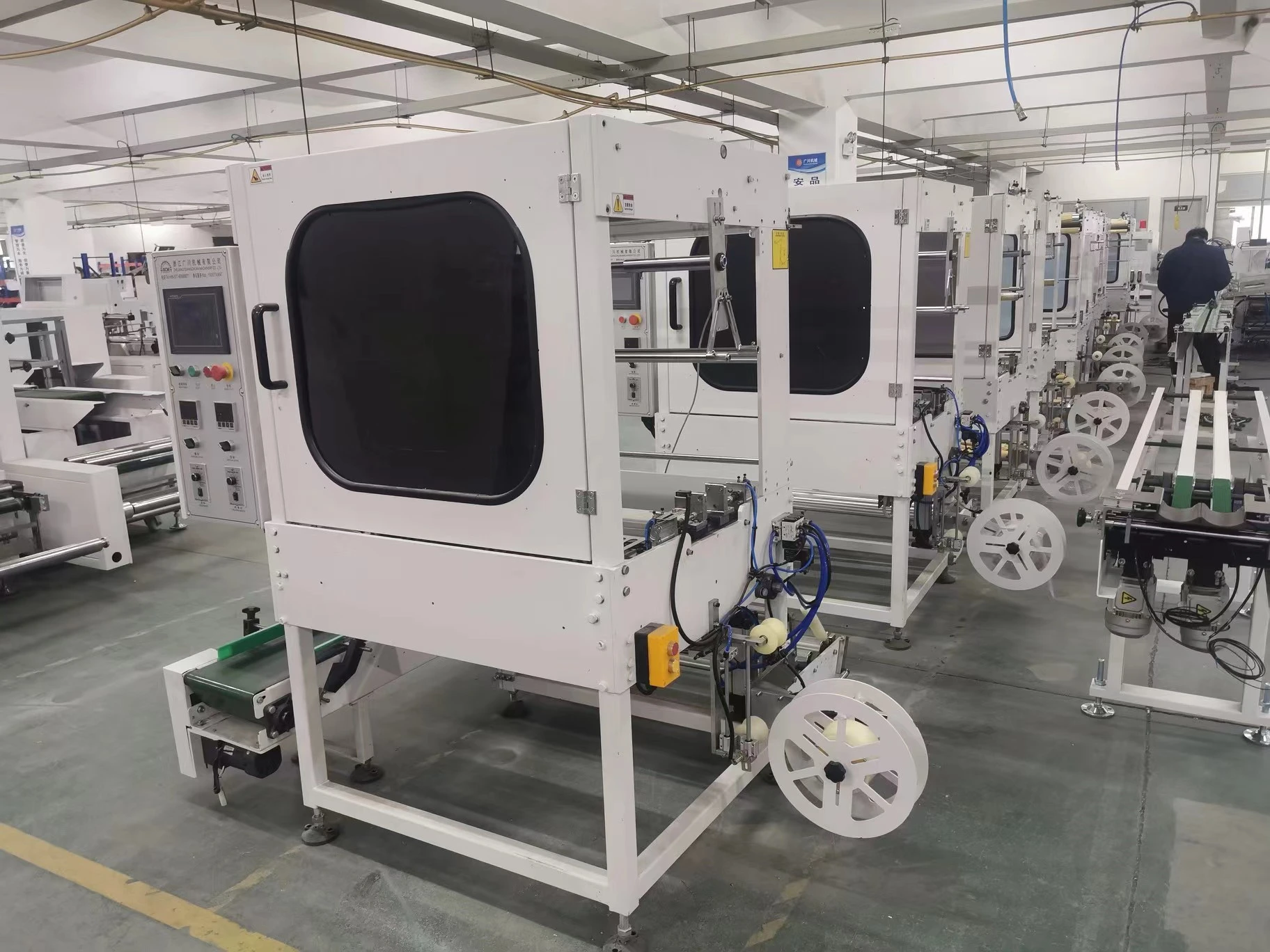
Automatic Packing Machine:Enhanced Production Efficiency and Throughput
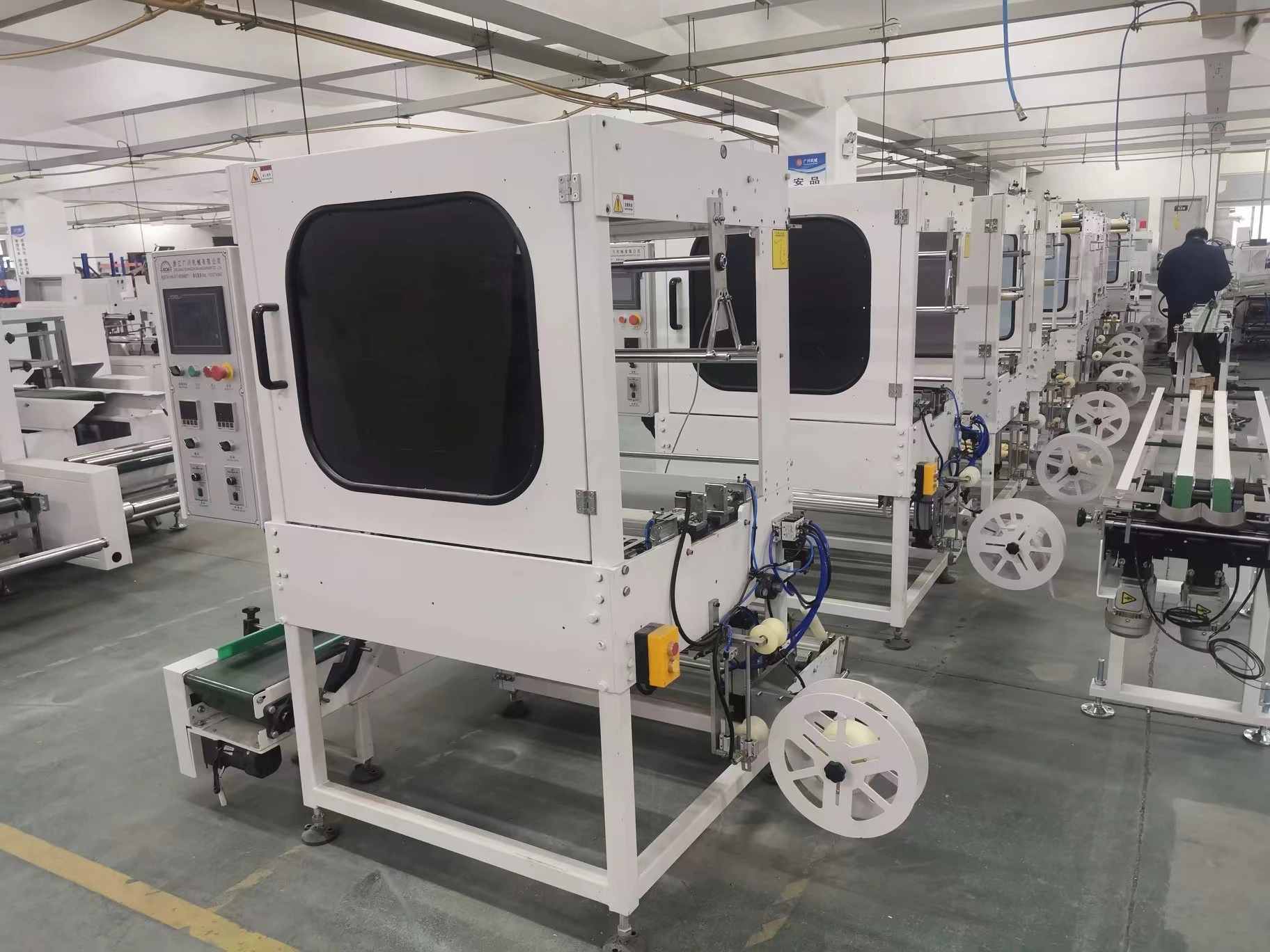
Streamlined Workflow Integration with Automatic Plastic Container Thermoforming Machine Capabilities
Production lines today are hitting new levels of efficiency thanks to automated thermoforming systems. These advanced machines bring together all the steps in one smooth process: feeding plastic sheets, heating them just right, forming the shapes, trimming excess material, and stacking finished products. No more waiting for workers to pass things along between different stations which used to slow everything down. With integrated robots and intelligent conveyor belts, formed containers actually move directly to packing areas without needing so much human intervention. We're talking about cutting down on handling by around 70% compared to older semi-automated setups. What does this mean for manufacturers? They can shift their workforce focus from moving materials around to checking product quality instead. This kind of continuous operation becomes really valuable when companies need to produce massive quantities of items such as food packaging or sterile medical containers. On average, factories see their entire production speed up anywhere from 30 to 50% once they switch from raw materials straight through to ready-to-ship pallets.
High-Speed Cycle Times and Reduced Bottlenecks in Container Forming & Packing
Thermoforming machines equipped with advanced servo drives can complete container cycles in under 8 seconds now, which is roughly three times quicker compared to what manual operations manage. This speed really helps tackle those annoying slowdowns that happen when forming meets packing, something traditional setups struggle with as they pile up half done items all over the place. The machines come fitted with real time sensors too. These spot changes in temperature or differences in materials while shaping happens, so they can tweak things before anything gets stuck and stops everything dead. At the same time, there are automatic counters and stackers working alongside these fast outputs, making sure the packing area gets a steady stream of containers right when needed. Putting all these together cuts down waiting periods at packing stations by around 45 percent, while boosting overall production capacity by somewhere between 35 to 40 percent each day, all without messing up the size specifications of the final product.
Tangible Cost Reduction and Labor Optimization
Lower Operational Costs via Reduced Manual Labor and Error-Related Rework
Putting in place an automatic plastic container thermoforming machine cuts down on labor costs because it means less need for people to get involved in the actual forming process, trimming work, and stacking operations. According to what various industry reports show, when companies automate these tasks, they typically see around 60 to 80 percent less need for hands-on handling, which brings about cost savings of roughly 20 to 30 percent overall. The main reason behind this improvement? Getting rid of those boring repetitive jobs that humans used to do manually, such as aligning parts correctly and checking product quality. These kinds of tasks were responsible for about 15 to 20 percent of all production mistakes back in the day, leading to lots of wasted time fixing things later. When machines take over with their precise measurements, most manufacturers report almost no defects at all when it comes to how containers seal together. This basically stops material waste from happening due to badly shaped products. Looking at the big picture, many businesses find themselves seeing a return on investment within 12 to 18 months after making the switch, thanks to better utilization of their workforce across different departments.
Decreased Downtime and Maintenance Costs Through Reliable Thermoforming Automation
The latest thermoforming machines come equipped with all sorts of smart sensors for predictive maintenance plus self-lubricating parts that really make a difference. These upgrades push the average time between breakdowns up by around 40% when compared to older semi-automatic setups. Manufacturers are watching this closely because something as simple as tracking heater band temperatures and keeping tabs on hydraulic pressure can stop those nasty surprise shutdowns. Think about it: the Ponemon Institute puts the annual cost of unplanned downtime at a staggering $740,000 per factory according to their 2023 report. Standard servo motors across different models help shops keep spare parts stock down by nearly a third. And let's not forget those quick mold changes that take less than ten minutes without any special tools required. All these improvements together slash maintenance bills by about 25%. For plant managers, this means fewer headaches during production runs and products rolling off the line consistently without those expensive stoppages everyone dreads.
Consistent Quality, Precision, and Regulatory Compliance
Tight Tolerances and Uniform Wall Thickness for Food-Grade Plastic Containers
Modern thermoforming machines can produce containers with incredible accuracy down to the micron level, keeping wall thickness differences under 5% from one batch to another. For food packaging applications, this kind of consistency really matters because inconsistent walls can actually break seals and shorten how long products stay fresh on store shelves. During the forming process, these machines are equipped with smart sensors that keep an eye on how materials spread out, making real time adjustments to temperature and pressure settings so there aren't any weak areas in the final product. What comes out at the end? Leak free containers that pass all the necessary safety tests for touching food stuffs, with faulty ones getting caught and removed right there at the production line before anyone even starts packing them up.
Built-in Traceability and Hygiene Features Supporting FDA and ISO Standards
Today's thermoforming equipment comes equipped with automatic tracking systems that record key production details like temperature settings, cycle durations, and specific mold identification numbers for every container produced. These records help manufacturers stay on top of FDA Food Safety Modernization Act (FSMA) guidelines as well as meet ISO 22000 standards when auditors come knocking. The machines typically feature stainless steel parts where food touches surfaces, along with Clean-in-Place systems that cut down on bacteria growth. There are also special areas maintained at positive pressure with HEPA filters to keep things clean throughout the forming and cooling stages. According to recent industry reports from the Packaging Machinery Manufacturers Institute in their 2023 safety study, these advanced systems can slash contamination chances by around 90 percent over traditional manual methods.
Sustainable Scalability and Material Efficiency
The latest generation of automatic plastic container thermoforming machines is changing how manufacturers think about scaling production, mainly because they cut down on wasted materials and save energy - two big deals when it comes to green manufacturing practices. What makes these systems stand out? They manage polymer usage really well thanks to tight temperature controls and some pretty smart forming tech. Factories report around 40% less scrap compared to older methods, all while keeping those containers structurally sound. The machines come equipped with energy saving servo motors and built-in recycling features that bring down carbon emissions significantly. Manufacturers can crank up production volumes without seeing their resource bills go through the roof at the same rate. When companies spend less per unit produced, they can handle bigger orders and still follow environmental rules and circular economy guidelines. For many plant managers, this combination of being able to grow operations and stay eco friendly makes thermoforming automation worth the investment, especially as customer expectations shift toward greener products.
FAQ
What is thermoforming in manufacturing?
Thermoforming is a manufacturing process where a plastic sheet is heated until pliable, then shaped into a specific form using a mold, and finally trimmed to create a finished product.
How does automation improve production efficiency in thermoforming?
Automation streamlines the entire thermoforming process by integrating tasks such as heating, forming, and trimming into a continuous flow. This reduces manual handling by about 70% and speeds up production by 30-50%.
What are the cost benefits of using automatic thermoforming machines?
Using automatic thermoforming machines can lower labor costs by reducing manual involvement, decrease error-related rework, and save on maintenance expenses. Overall, they offer a cost saving of 20-30% and a quick return on investment within 12 to 18 months.
How do automatic thermoforming machines ensure product quality?
These machines use smart sensors for precise control over material distribution, temperature, and pressure, ensuring consistent product quality with minimal defects, especially important for food-grade containers meeting FDA and ISO standards.
Are thermoforming systems sustainable?
Yes, modern thermoforming systems optimize material usage and energy efficiency, reduce scrap by about 40%, and feature recycling capabilities, making them environmentally friendly and scalable for larger production volumes.