 EN
EN

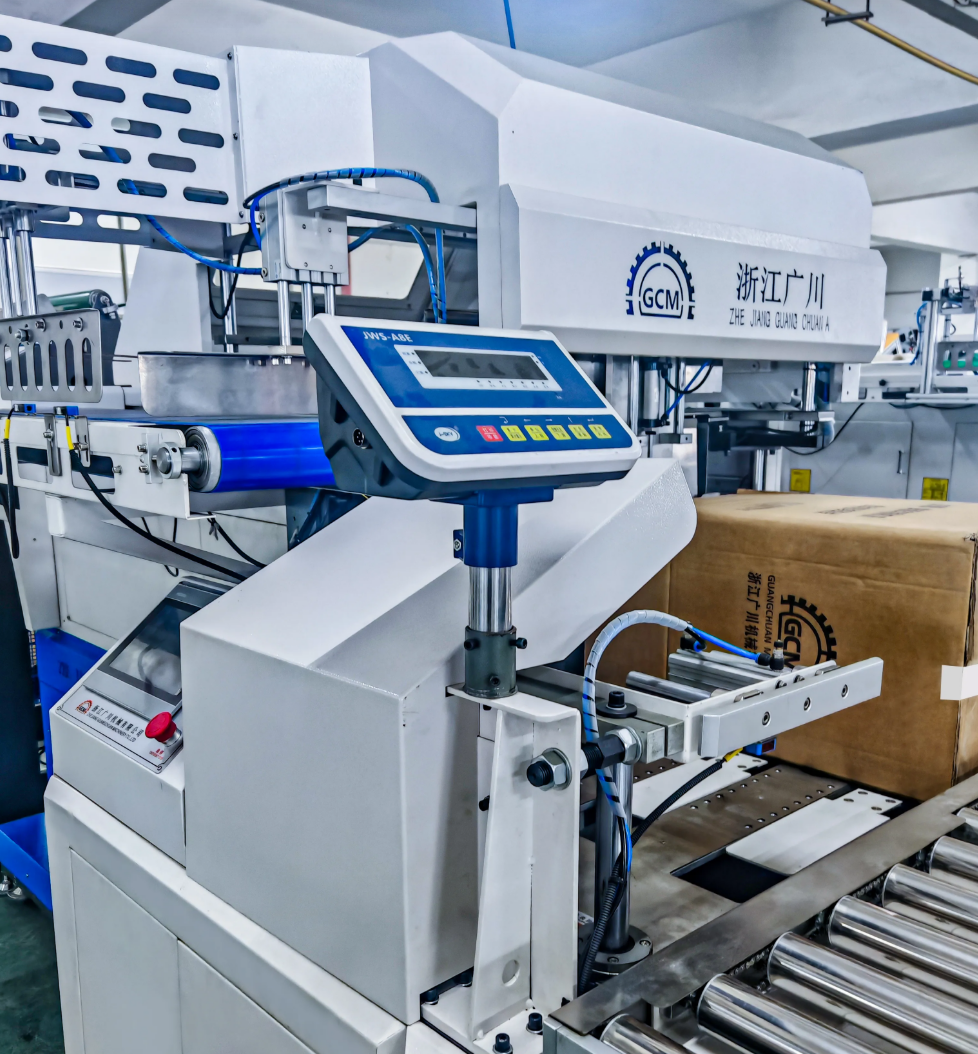
Core Packing Stages about Automatic Packing Machine: From Material Feed to Filling
Premade Pouch Loading and Reliable Opening Mechanisms
The premade pouches get fed into the system through automatic feeders that line them up just right for opening. These automatic packing machines use either vacuum suction cups or directed bursts of air to pull apart the sides of each pouch with almost total success rate something really important when trying to avoid messes during fast paced production according to Packaging Digest from last year. Before moving on to where they get filled, optical sensors check if everything opened properly. This two step sensor check cuts down on jamming problems by around forty percent over older mechanical systems alone, plus works well with all sorts of different materials like those fancy laminated films and eco friendly substrates too. Companies run tests beforehand to see how these systems hold up under different temperatures and humidity levels because nobody wants their packaging equipment acting up when conditions change unexpectedly.
Film Unwinding, Tube Forming, and Vertical/Horizontal Sealing (VFFS/HFFS)
Vertical Form Fill Seal or VFFS machines take those flat rolls of film and actually shape them into tubes with something called forming collars. The process involves a vertical sealing bar that basically melts together the long edge of the tube under controlled heat, typically somewhere between 130 and 200 degrees Celsius. Once that's done, transverse seals create what becomes the bottom of the package. On the other hand, Horizontal Form Fill Seal systems work differently. These HFFS machines fold the film over horizontally first, then seal three sides before filling the product inside. What's interesting about both approaches is how they manage to keep those seal widths within just 0.1 millimeters or less thanks to ongoing thermal adjustments during operation. The kind of film being used makes all the difference too. For example, polyester laminates need roughly 30 percent more heat for proper sealing compared to polypropylene when running at similar production speeds.
Precision Filling Methods: Gravimetric, Volumetric, and Auger for Diverse Products
Filling accuracy directly affects yield—a 1% overfill wastes $50k annually at 20,000 units/hour. Three core methods deliver precision tailored to product characteristics:
- Gravimetric: Load cells measure weight in real time (±0.1% accuracy), ideal for granules and irregular solids
- Volumetric: Piston chambers dispense fixed volumes (±0.3% variance), optimized for liquids and viscous pastes
- Auger: Variable-pitch screws meter free-flowing powders (±0.5g), minimizing aeration and handling viscosity shifts up to 50,000 cP
| Method | Best For | Throughput | Accuracy |
|---|---|---|---|
| Gravimetric | Granules/irregular solids | 60 bags/min | ±0.1% |
| Volumetric | Liquids/viscous pastes | 120 containers/min | ±0.3% |
| Auger | Free-flowing powders | 80 sachets/min | ±0.5g |
These systems integrate seamlessly with downstream equipment—including automatic paper glass making machines—ensuring consistent fill integrity across formed containers.
Sealing, Cooling, and Real-Time Quality Assurance
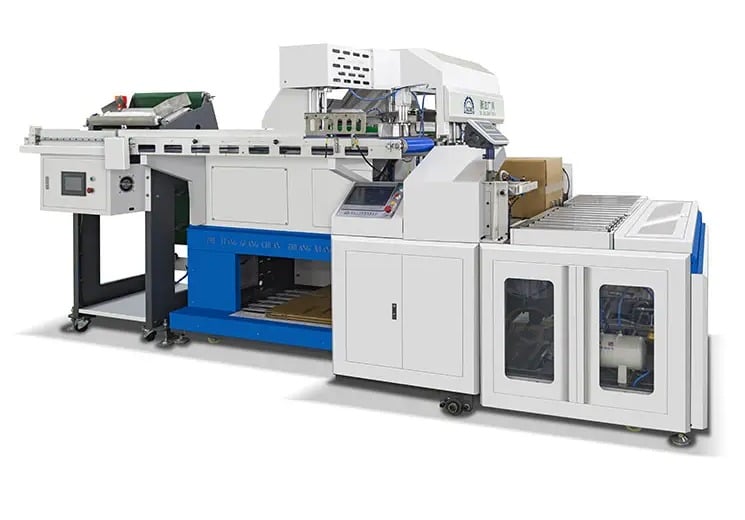
Heat Sealing Technology and Dynamic Temperature-Pressure Calibration
Heat sealing works by bonding packaging materials through carefully managed heat application. Modern systems come equipped with dynamic calibration tech that constantly adjusts both temperature and pressure settings as needed. These adjustments happen in real time depending on factors like material thickness, surrounding environmental conditions, and production line speeds. According to data from the Packaging Standards Institute published last year, these smart controls help cut down on defective seals by around 25%. When it comes to automatic paper glass making operations specifically, this kind of responsive system keeps seals intact even at top speeds, which helps preserve product freshness and stop leaks before they become problems. The equipment actually has built-in feedback mechanisms that spot issues almost instantly, allowing operators to make quick fixes that save money on wasted materials, reduce machine downtime, and keep workers safer overall.
Post-Seal Cooling, Air Extraction, and Dimensional Stability Control
When the seal cools down quickly after formation, it creates a strong bond. At the same time, built-in air removal systems suck out leftover gases, which stops those annoying bulges from forming and makes sure packages stay flat enough to stack properly. The best machines can get really close to perfect shapes around 98 or 99 percent most of the time because they constantly watch how materials shrink and relax during cooling. Sensors track everything from temperature changes to vacuum strength, and will kick in corrections whenever something starts going off track beyond what's acceptable. This kind of control helps maintain package quality throughout automation processes, cuts down on mistakes when products come off the line for labeling, and basically keeps things fresh longer without needing anyone to check in manually all the time.
Final Output Processing: Cutting, Discharge, and Traceability Integration
Synchronized Cutting, Ejection, and Conveyor Synchronization (60–120 ppm)
The cutting process uses either rotary blades or lasers to open sealed packages at speeds ranging from 60 to 120 units every minute. After separation, ejection arms move these items onto conveyor belts. These conveyors work with infrared sensors that constantly tweak belt speeds as needed. This setup stops production jams and keeps everything stable during transport. Especially important for delicate goods such as glass bottles which can easily break if mishandled. When all these components work together properly, factories see around a 30 percent boost in output compared to older systems where transfers weren't so well coordinated between different parts of the line.
Integrated Labeling, Ink-Jet Date Printing, and Vision-Based Defect Detection
At labeling stations, workers either stick on pre-printed tags or start with blank ones. Then comes the ink jet printer job printing those important things like batch numbers, when stuff expires, and all the required markings too. The fonts need to stay consistent so everything looks professional. Next up are these high res vision systems with their 5MP cameras snapping pictures at 200 frames per second. They check each item carefully looking for problems like crooked seals, wrong label positions, bad prints, or any physical damage. These systems catch almost everything with about 99.7% accuracy rate according to specs. When something doesn't pass inspection, pneumatic arms kick it out right away. Packages that make the cut get sent forward toward boxing. And here's something pretty cool: every approved unit gets its own encrypted QR code attached. This little square actually connects back to detailed production info, which means companies can track products all the way from manufacturing lines straight through to store shelves if needed.
FAQs
What are the core stages of the packing process discussed in the article?
The core stages include premade pouch loading and opening, film unwinding and sealing, precision filling, heat sealing and quality assurance, post-seal cooling, and final output processing.
How do Vertical Form Fill Seal (VFFS) and Horizontal Form Fill Seal (HFFS) machines work?
VFFS machines shape flat rolls of film into tubes using forming collars, then create seals. HFFS machines fold the film horizontally, seal three sides, and fill the product before sealing the last side.
What are the differences in filling methods?
Gravimetric methods measure weight for granules, volumetric methods use piston chambers for liquids, and auger methods use screws for powders, each tailored for precision and product characteristics.
Why is dynamic temperature-pressure calibration important in sealing?
Dynamic calibration adjusts temperature and pressure during heat sealing to accommodate material thickness and environmental conditions, reducing defective seals.
How is traceability ensured in the packaging process about automatic packing machine?
Packages are traced using encrypted QR codes that link back to detailed production information, allowing tracking from manufacturing to store shelves.
Table of Contents
- Core Packing Stages about Automatic Packing Machine: From Material Feed to Filling
- Sealing, Cooling, and Real-Time Quality Assurance
- Final Output Processing: Cutting, Discharge, and Traceability Integration
-
FAQs
- What are the core stages of the packing process discussed in the article?
- How do Vertical Form Fill Seal (VFFS) and Horizontal Form Fill Seal (HFFS) machines work?
- What are the differences in filling methods?
- Why is dynamic temperature-pressure calibration important in sealing?
- How is traceability ensured in the packaging process about automatic packing machine?