 EN
EN

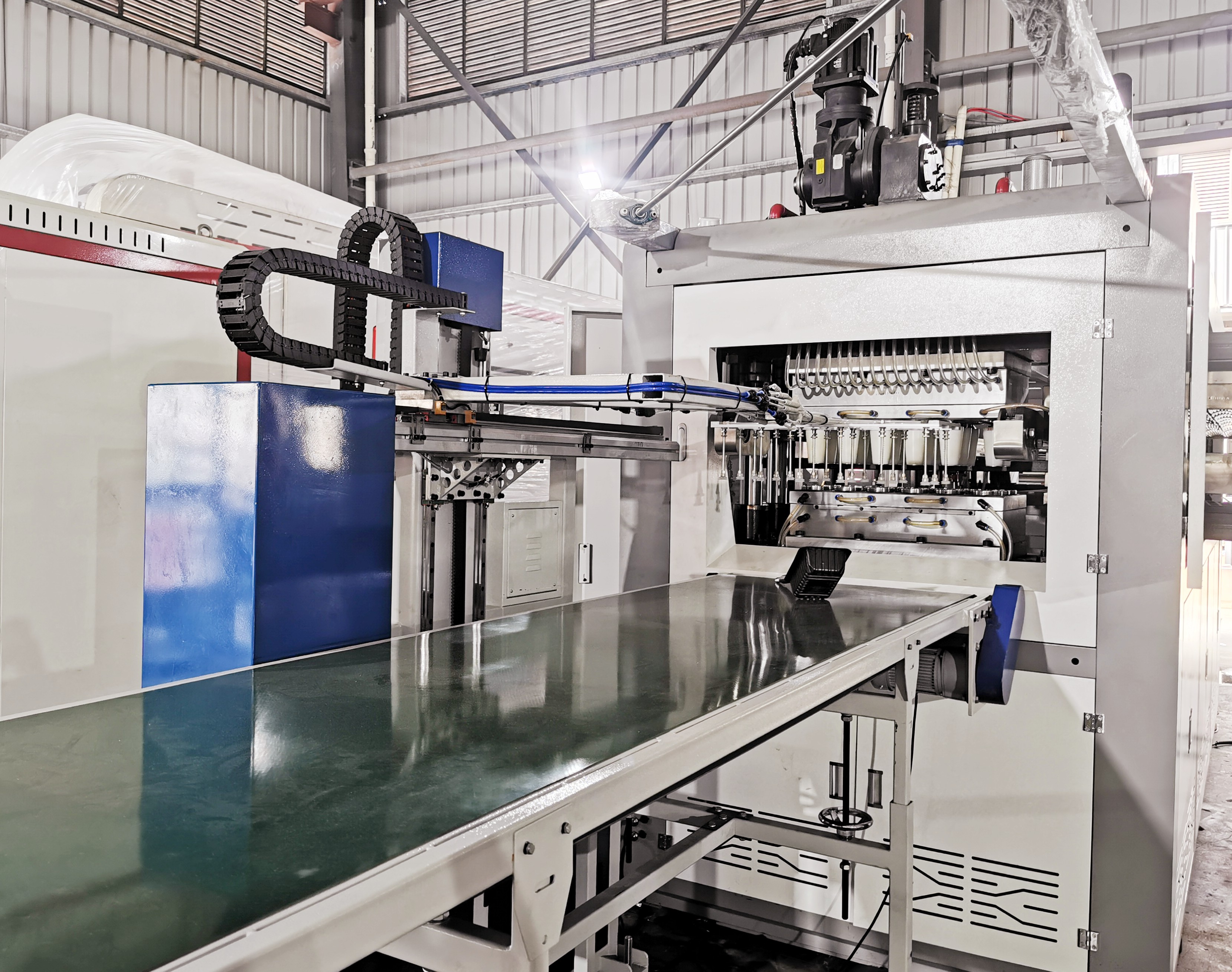
Manufacturing plastic components requires selecting the right production method, and two dominant processes often emerge in industrial decision-making: thermoforming and injection molding. While both technologies shape plastic materials into finished products, the underlying mechanisms, equipment requirements, material compatibility, and cost structures differ significantly. Understanding these distinctions helps manufacturers, product designers, and procurement teams make informed choices aligned with production volume, part geometry, budget constraints, and timeline expectations. This guide explores the fundamental contrasts between thermoforming vs injection molding to clarify which approach best serves specific manufacturing scenarios.
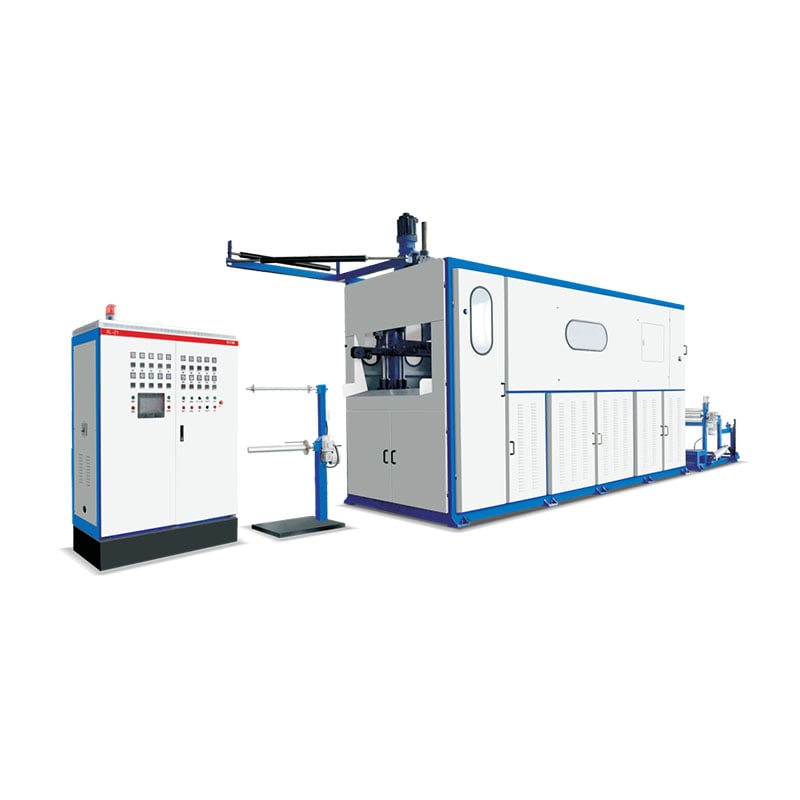
The choice between thermoforming vs injection molding fundamentally shapes production economics, lead times, and part quality outcomes. Thermoforming excels in prototyping, custom runs, and large parts, while injection molding dominates high-volume manufacturing with tight tolerances. Both processes serve distinct market segments and product categories, making the decision context-dependent rather than universally prescriptive. By examining the operational, technical, and economic dimensions of each technology, manufacturers can align their process selection with business objectives and customer requirements.
Fundamental Process Mechanics and Technology Differences
How Thermoforming vs Injection Molding Operate
Thermoforming begins with a plastic sheet heated to a pliable temperature, then stretched over or into a mold cavity using vacuum, pressure, or mechanical force. Once cooled, the formed part is trimmed and finished. This approach creates parts from pre-made sheet stock, making thermoforming vs injection molding distinctly different in workflow. The process is relatively simple, requires shorter setup times, and allows for quick design modifications without significant retooling.
Injection molding, conversely, melts plastic pellets and injects the molten material into a closed mold cavity at high pressure and temperature. The material fills the mold, cools, and solidifies into the final shape before ejection. Thermoforming vs injection molding diverge sharply here: injection molding demands precision mold construction, higher capital investment, and longer lead times for tool fabrication, but delivers superior repeatability and dimensional consistency across mass production runs.
Equipment and Tooling Requirements
Thermoforming equipment is comparatively straightforward and less expensive than injection molding machinery. A thermoforming vs injection molding cost comparison reveals that thermoforming machines typically range from $50,000 to $500,000 depending on size and automation level, while injection molding equipment spans $200,000 to over $2 million. Mold costs also reflect this disparity: thermoforming molds cost significantly less because they withstand lower pressures and simpler manufacturing processes, whereas injection molds require intricate cooling channels, precise tolerances, and advanced machining.
The distinction in thermoforming vs injection molding becomes especially apparent when evaluating prototype development. Thermoforming allows for aluminum or composite molds that cost a fraction of steel injection molds, enabling manufacturers to validate designs faster and cheaper. When considering thermoforming vs injection molding for new product launches, the lower tooling investment makes thermoforming attractive for unproven concepts or limited-volume tests.
Production Volume, Lead Times, and Economic Efficiency
Manufacturing Scale and Cost-Per-Unit Economics
Production volume fundamentally shapes whether thermoforming vs injection molding delivers better unit economics. Injection molding exhibits a steep cost curve: mold expenses are amortized across thousands or millions of parts, making per-unit costs extremely competitive at high volumes. Conversely, thermoforming excels at lower volumes where fixed tooling costs represent smaller percentages of total production spend. A thermoforming vs injection molding analysis for a 10,000-unit annual order typically favors thermoforming, while a 500,000-unit requirement usually justifies injection molding's higher initial investment.
The break-even point between thermoforming vs injection molding varies by part complexity, size, and material choice, but generally occurs between 50,000 and 200,000 units annually. Below this threshold, thermoforming often provides lower total cost of ownership despite higher per-unit labor and material waste. Above it, injection molding's economies of scale dominate. This economic reality drives many manufacturers to evaluate thermoforming vs injection molding not as competing technologies but as sequential phases: prototype with thermoforming, then migrate to injection molding at volume inflection points.
Lead Time and Time-to-Market Implications
Lead times differ dramatically when comparing thermoforming vs injection molding. Thermoforming tooling can be completed in 2–6 weeks, enabling rapid production launch, whereas injection mold fabrication typically requires 8–16 weeks or longer for complex geometries. For businesses pursuing speed-to-market or responding to seasonal demand, thermoforming vs injection molding selection often favors thermoforming. Companies launching new product lines benefit from thermoforming's compressed timelines, while established products with predictable demand justify injection molding's longer development cycle.
Material Selection, Part Geometry, and Performance Characteristics
Material Compatibility and Processing Constraints
Material choice influences the thermoforming vs injection molding decision significantly. Thermoforming accommodates a narrower material palette: polyethylene terephthalate (PET), polystyrene (PS), polyvinyl chloride (PVC), polypropylene (PP), and acrylonitrile butadiene styrene (ABS). Injection molding accepts these materials plus advanced plastics like polyetherimide (PEI), polycarbonate (PC), liquid crystal polymers (LCP), and engineering-grade nylon compounds. When material properties drive performance requirements, thermoforming vs injection molding might be predetermined by available resin compatibility.
Thermoforming vs injection molding also differs in material waste generation. Thermoforming produces trim scrap from sheet edges, typically 20–40% material waste, though trim can be recycled. Injection molding generates minimal scrap from gate removal and sprue, often under 5%, making it environmentally and economically superior for material-intensive applications. This distinction becomes critical when evaluating thermoforming vs injection molding for high-material-cost resins or sustainability-focused procurement policies.
Part Geometry Capabilities and Design Constraints
Thermoforming excels with large, relatively simple geometries featuring gentle curves and gradual thickness transitions. Parts like food containers, signage, and appliance housings suit thermoforming production. Injection molding handles complex geometries, fine details, thin walls, deep undercuts, and intricate surface features. Evaluating thermoforming vs injection molding requires assessing whether part design demands precision details; if yes, injection molding becomes necessary. Conversely, large format parts or products tolerating looser tolerances often favor thermoforming economies.
Wall thickness consistency differs notably between thermoforming vs injection molding. Injection molding maintains tighter dimensional uniformity and tighter wall thickness control, critical for parts requiring consistent mechanical properties. Thermoforming produces variable wall thickness due to material stretching dynamics, which suits some applications but disqualifies others. When dimensional precision or mechanical performance demands tight tolerances, thermoforming vs injection molding analysis typically concludes that injection molding is necessary.
FAQ
What are the main cost differences between thermoforming vs injection molding?
Thermoforming features lower upfront tooling costs ($5,000–$50,000 for simple molds) but higher per-unit production costs due to material waste and labor. Injection molding requires significant initial mold investment ($50,000–$500,000+) but achieves substantially lower per-unit costs at high volumes. The thermoforming vs injection molding choice hinges on anticipated production volume: low volumes favor thermoforming, high volumes favor injection molding. Most manufacturers use thermoforming for prototypes and small runs, then transition to injection molding as volume justifies the capital expenditure.
Which process produces parts faster, thermoforming or injection molding?
Thermoforming delivers faster time-to-production because tooling fabrication takes 2–6 weeks compared to 8–16 weeks for injection molds. Individual cycle times vary: thermoforming cycles typically range from 30 seconds to 3 minutes, while injection molding cycles often complete in 20–90 seconds. Thermoforming vs injection molding comparison for speed-to-market consistently favors thermoforming, making it ideal for urgent orders, seasonal products, or market testing. Once production stabilizes at high volumes, injection molding's faster per-piece cycle compensates for longer development lead time.
Can thermoforming replace injection molding for any application?
Thermoforming cannot universally replace injection molding due to material limitations, geometric complexity constraints, and tolerance requirements. Applications demanding high-temperature resistance, complex undercuts, tight dimensional precision, or advanced engineered polymers require injection molding. Thermoforming vs injection molding fit differs by application: food packaging, automotive trim panels, and signage suit thermoforming, while electrical connectors, automotive components with critical tolerances, and medical devices typically demand injection molding. Manufacturers must evaluate specific part requirements rather than assuming either process can substitute for the other.