 EN
EN

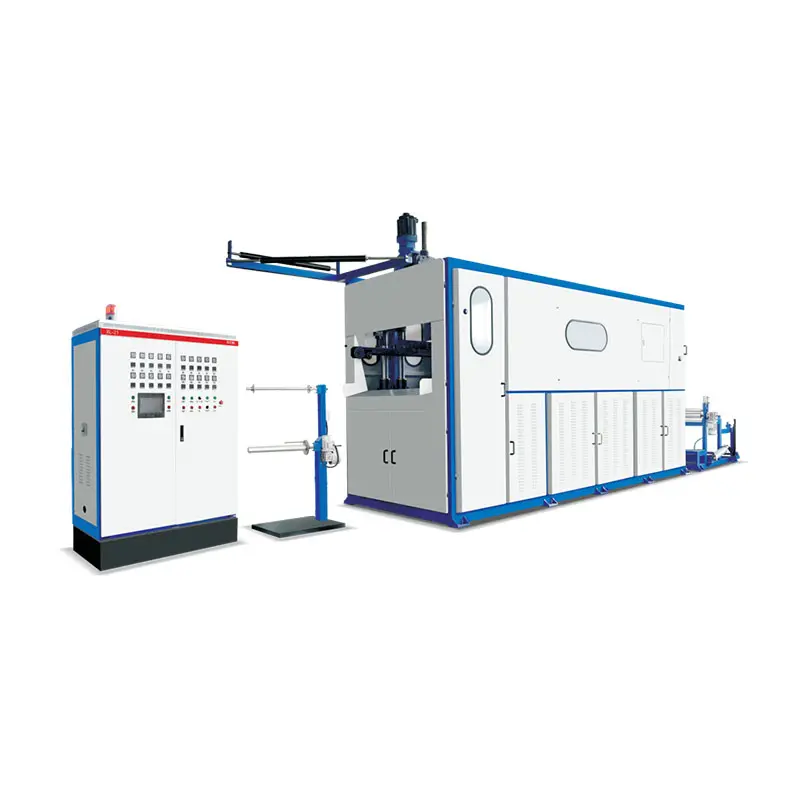
Selecting the right equipment is fundamental to manufacturing success, and understanding the various types of thermoforming machines available can significantly impact your production efficiency, product quality, and operational costs. Thermoforming technology has evolved dramatically over recent decades, creating multiple distinct categories of machines designed to serve different production volumes, material specifications, and quality requirements. Each type of thermoforming machine operates on unique principles and delivers different performance characteristics, making it essential for manufacturers to understand which types of thermoforming machines align best with their specific business objectives and operational constraints.
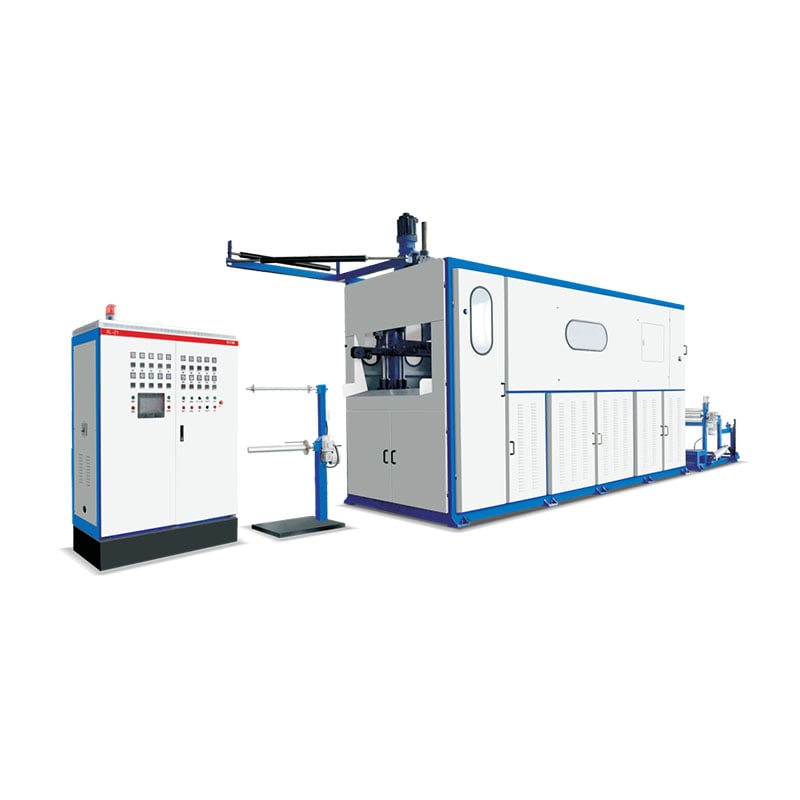
The landscape of types of thermoforming machines encompasses vacuum forming equipment, pressure-based systems, mechanical thermoformers, and automated production lines that serve industries from food packaging to automotive components. Manufacturing professionals must evaluate multiple factors when choosing among types of thermoforming machines, including material compatibility, production speed requirements, precision demands, labor availability, and capital investment capacity. This comprehensive guide explores the major types of thermoforming machines available today, examines the distinctive advantages and limitations of each category, and provides practical guidance for identifying which machine type best matches your production environment and business strategy.
Vacuum Thermoforming Machines and Their Industrial Applications
Understanding Vacuum-Based Thermoforming Technology
Vacuum thermoforming remains one of the most widely deployed types of thermoforming machines in modern manufacturing facilities across multiple industries. This types of thermoforming machines category operates by heating plastic sheet material until it reaches a softened state, then drawing it over a mold cavity using negative air pressure to form precise shapes. The vacuum mechanism creates consistent part geometry and is particularly effective for applications requiring moderate to high production volumes, making vacuum thermoforming machines one of the most accessible types of thermoforming machines for manufacturers with moderate capital budgets.
Production Capabilities and Material Compatibility
Among types of thermoforming machines, vacuum thermoformers excel with a broad range of thermoplastic materials including polystyrene, polyethylene terephthalate, polypropylene, and acrylic compounds. The versatility of these types of thermoforming machines makes them particularly valuable for packaging applications, medical device housings, and decorative consumer products. Vacuum thermoforming machines typically achieve cycle times between thirty to ninety seconds depending on material thickness and mold complexity, positioning this types of thermoforming machines category as a reliable solution for businesses seeking consistent production rates without extreme capital expenditure.
Pressure-Based Thermoforming Systems for High-Precision Manufacturing
Mechanical Pressure Forming Technology
Pressure-based types of thermoforming machines represent an advanced evolution beyond vacuum-only systems, utilizing compressed air or mechanical force to achieve superior surface detail replication and dimensional accuracy. These types of thermoforming machines employ both positive pressure and vacuum techniques simultaneously, enabling manufacturers to form intricate features, fine textures, and precise wall thickness variations that vacuum-only systems cannot achieve. The sophistication of pressure thermoforming machines makes these types of thermoforming machines ideal for high-value applications requiring exceptional detail fidelity, such as medical device components, optical housings, and premium consumer electronics packaging.
Production Speed and Quality Outcomes
While pressure-based types of thermoforming machines demand higher initial investment compared to standard vacuum equipment, they deliver measurable advantages in part quality consistency and production flexibility. These types of thermoforming machines typically operate with cycle times ranging from twenty to sixty seconds, and their precision capabilities reduce secondary finishing operations, ultimately lowering per-unit manufacturing costs for complex geometries. For manufacturers operating in industries where product performance and aesthetic quality directly influence market positioning, pressure thermoforming represents a strategic category among types of thermoforming machines worth serious consideration.
Mechanical and Automated Thermoforming Machine Categories
Mechanical Thermoforming for Manual and Semi-Automated Production
Mechanical types of thermoforming machines provide entry-level production capability for smaller manufacturers or businesses launching new product lines with uncertain volume forecasts. These types of thermoforming machines feature simpler design architectures with fewer automated components, allowing operators to adjust parameters manually based on real-time observations and material behavior. The economic accessibility of mechanical thermoforming makes this types of thermoforming machines category valuable for prototype development, low-volume specialty production, and market testing scenarios where rapid deployment and minimal capital risk take priority over maximum throughput.
Fully Automated Thermoforming Production Lines
Fully automated types of thermoforming machines represent the industry's highest technology tier, integrating computer numerical control systems, robotic material handling, in-line quality inspection, and continuous production optimization algorithms. These advanced types of thermoforming machines are engineered specifically for high-volume manufacturing environments producing millions of identical units annually, such as food packaging containers and disposable medical supplies. The types of thermoforming machines in the fully automated category deliver industry-leading production speeds, typically ranging from five hundred to two thousand parts per hour, and provide sophisticated process monitoring that ensures consistent quality across entire production batches.
FAQ
What factors should I prioritize when selecting among different types of thermoforming machines?
When evaluating different types of thermoforming machines, prioritize your specific production volume requirements, the complexity of part geometry you need to manufacture, material specifications, quality standards, available floor space, and total capital budget. Each category of types of thermoforming machines excels under different operational conditions, so your selection should directly align with your immediate manufacturing objectives and long-term business scaling strategy. Consider the total cost of ownership rather than only the equipment purchase price, factoring in maintenance requirements, material waste rates, labor demands, and production flexibility when comparing different types of thermoforming machines.
How do vacuum and pressure thermoforming machines differ in practical manufacturing applications?
Vacuum-based types of thermoforming machines use negative air pressure alone to conform plastic sheet material over molds, making them suitable for simpler geometries and moderate production volumes. Pressure thermoforming machines combine vacuum with positive air pressure or mechanical force to achieve superior dimensional precision and complex detail replication, making these types of thermoforming machines better suited for high-precision applications. The choice between these types of thermoforming machines ultimately depends on whether your products prioritize cost efficiency or dimensional accuracy and detail fidelity.
Are fully automated types of thermoforming machines worth the capital investment for small manufacturers?
For small manufacturers with annual production volumes below one hundred thousand units, fully automated types of thermoforming machines typically represent excessive capital expenditure without sufficient production volume to justify the investment. Smaller operations generally achieve better returns by selecting mechanical or semi-automated types of thermoforming machines that provide operational flexibility and proportionate production capacity. However, as your business scales and production volumes increase substantially, upgrading to fully automated types of thermoforming machines becomes economically rational and operationally strategic for achieving competitive manufacturing costs.
Table of Contents
- Vacuum Thermoforming Machines and Their Industrial Applications
- Pressure-Based Thermoforming Systems for High-Precision Manufacturing
- Mechanical and Automated Thermoforming Machine Categories
-
FAQ
- What factors should I prioritize when selecting among different types of thermoforming machines?
- How do vacuum and pressure thermoforming machines differ in practical manufacturing applications?
- Are fully automated types of thermoforming machines worth the capital investment for small manufacturers?