 EN
EN

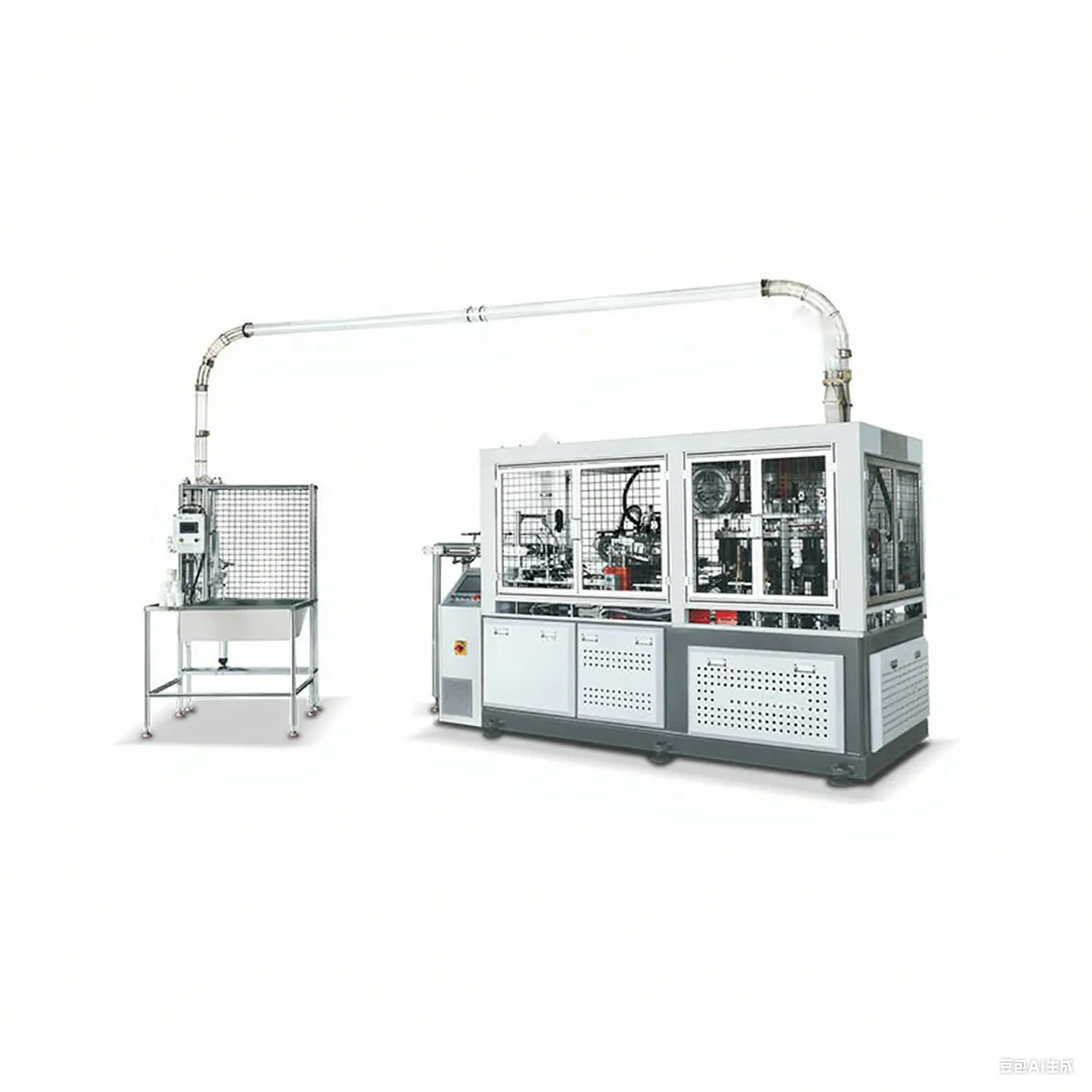
Selecting the right thermoforming machine is one of the most critical decisions a manufacturing business can make. A thermoforming machine shapes heated plastic sheets into specific forms, making it essential for producing everything from food containers to medical packaging. The wrong choice can lead to production bottlenecks, quality inconsistencies, and wasted capital investment. Understanding how to evaluate and choose the right thermoforming machine requires knowledge of your production requirements, material specifications, and long-term business goals.
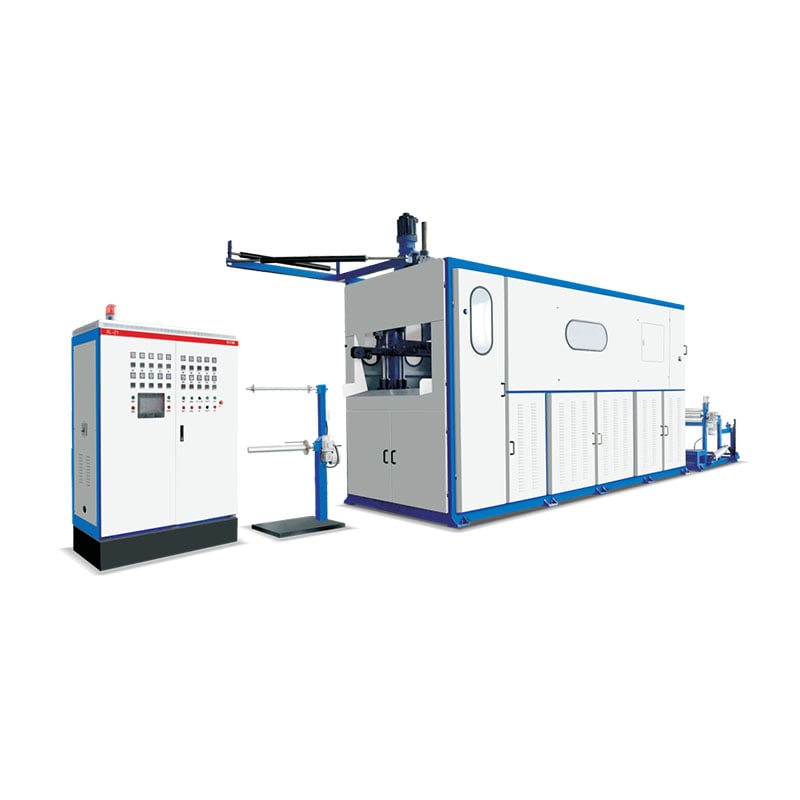
When evaluating a thermoforming machine, businesses must balance production speed, product quality, material compatibility, and operational costs. The investment in a thermoforming machine represents a significant capital commitment, so thorough analysis beforehand prevents costly mistakes. This guide walks you through the essential factors to consider when choosing a thermoforming machine for your specific application and business scale.
Understanding Your Production Requirements
Defining Capacity and Output Goals
Your production volume directly determines which thermoforming machine category suits your business. A thermoforming machine designed for small-batch artisanal production operates very differently from one engineered for high-volume industrial output. High-speed thermoforming machines can produce hundreds or thousands of units per hour, while smaller models may create only dozens. Assessing your current demand and projected growth helps you avoid oversizing—which wastes resources—or undersizing—which limits scalability. A thermoforming machine that matches your production targets ensures efficient operations and sustainable profitability.
Identifying Product Specifications
Different products require different thermoforming machine specifications. Wall thickness, dimensional precision, surface finish, and structural strength all influence which thermoforming machine you need. A thermoforming machine suitable for shallow takeout containers differs fundamentally from one designed for deeper medical trays or rigid industrial components. Review your product drawings and performance standards with the thermoforming machine manufacturer to ensure compatibility. The thermoforming machine you choose must deliver consistent results across every production run to meet customer expectations and regulatory requirements.
Evaluating Key Technical Features
Heating and Cooling Systems
The heating and cooling capabilities of a thermoforming machine directly affect cycle time and product quality. A thermoforming machine with advanced heating controls ensures uniform plastic softening, reducing defects and improving consistency. Rapid cooling systems in modern thermoforming machines accelerate production without compromising dimensional accuracy. Uneven heating creates warping and thin spots, while inadequate cooling leads to distortion and dimensional instability. When evaluating a thermoforming machine, confirm that its thermal management systems match your material requirements and production pace. Energy-efficient thermoforming machines with optimized heating profiles also reduce operational costs significantly.
Mold Compatibility and Tool Changeover
Flexibility in mold changeover is a critical advantage of modern thermoforming machines. A thermoforming machine with quick-change tooling capabilities reduces downtime when switching between product designs. Verify that the thermoforming machine accommodates your mold specifications and allows reasonably fast transitions. Some thermoforming machines feature modular mold systems that streamline changeovers to minutes rather than hours. This capability becomes increasingly valuable if your business produces multiple product lines or anticipates future design changes. Investing in a versatile thermoforming machine future-proofs your manufacturing operation against product evolution and market shifts.
Assessing Material Compatibility and Automation
Plastic Material Handling
Different plastics require different thermoforming machine settings and capabilities. Polypropylene, PET, PVC, and polyethylene each have distinct melting temperatures and forming characteristics. A thermoforming machine engineered for one material may not perform optimally with another. Confirm that your chosen thermoforming machine accommodates the specific plastic materials your products demand. Some thermoforming machines include adjustable parameters for material flexibility, allowing future material changes without equipment replacement. Temperature precision, heating duration, and cooling intensity must all be calibrated to match your plastic choice. Selecting a versatile thermoforming machine with multi-material capability protects your investment against evolving production needs.
Automation and Labor Integration
Automation levels dramatically influence the total cost of ownership and operational efficiency of a thermoforming machine. Fully automated thermoforming machines with integrated material handling, forming, trimming, and stacking reduce labor requirements and human error. Semi-automatic thermoforming machines require operator input for loading and unloading but still offer consistent forming. Manual thermoforming machines demand continuous operator involvement but cost significantly less upfront. A thermoforming machine with appropriate automation for your labor market and production volume optimizes profitability. Consider your facility's labor availability, wage structure, and workforce planning when choosing the automation level of your thermoforming machine. Balancing automation investment against labor savings determines the true return on your thermoforming machine purchase.
Financial and Operational Considerations
Initial Investment and Total Cost of Ownership
The purchase price of a thermoforming machine represents only part of the total investment. Installation, training, tooling, and facility modifications add substantial costs beyond the base thermoforming machine price. Energy consumption significantly impacts long-term expenses; an efficient thermoforming machine reduces monthly operating costs substantially. Maintenance requirements, spare parts availability, and service support affect lifetime ownership costs. When evaluating a thermoforming machine investment, calculate the total cost over five to ten years, including all ancillary expenses. A more expensive thermoforming machine with lower operating costs and superior reliability often delivers better financial returns than cheaper alternatives with higher ongoing expenses.
Warranty, Support, and Supply Chain
The quality of manufacturer support dramatically affects thermoforming machine performance and business continuity. Comprehensive warranty coverage protects your thermoforming machine investment against unexpected failures. Access to responsive technical support minimizes downtime when issues arise. Availability of replacement parts and spare components ensures your thermoforming machine remains operational. Verify that the thermoforming machine manufacturer maintains local service capability or authorized dealers in your region. Strong after-sales support transforms a thermoforming machine into a reliable production asset rather than a costly problem. Before finalizing any thermoforming machine purchase, research the manufacturer's reputation for customer service and support reliability.
FAQ
What factors should I prioritize when selecting a thermoforming machine?
Prioritize production volume, product specifications, material compatibility, and automation level when choosing a thermoforming machine. Evaluate how each factor aligns with your business goals, production timeline, and budget constraints. A thorough needs assessment prevents costly purchasing mistakes and ensures your thermoforming machine investment delivers expected returns.
How do I determine if a thermoforming machine offers adequate production capacity?
Calculate your current production demand and project growth over five years to determine required thermoforming machine capacity. Compare your volume targets against the thermoforming machine specifications from manufacturers. Include planned capacity margins to handle seasonal peaks without overwhelming the thermoforming machine. Undersizing limits growth potential, while oversizing wastes capital and energy resources unnecessarily.
What role does automation play in thermoforming machine selection?
Automation levels in a thermoforming machine affect labor costs, product consistency, and production speed. Fully automated thermoforming machines reduce operator requirements and human error but require higher capital investment. Evaluate your labor market conditions and production consistency requirements to choose the appropriate automation level for your thermoforming machine. The right thermoforming machine automation balances efficiency gains against ownership costs for your specific situation.