 EN
EN

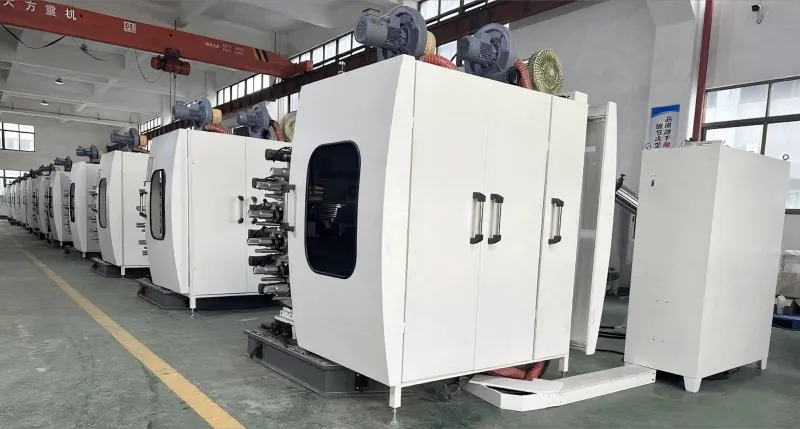
Რატომ Პლასტმასის ჭიქების დასაბეჭდი მანქანები Არის მაღალი შემოსავლიანობის მქონე ბრენდინგის ინვესტიცია
Შესაძლებელი ბრენდის ექსპოზიცია: როგორ უზრუნველყოფს ინდივიდუალურად დამზადებული ჭიქები ხელახლა ჩანებას და სოციალურ გაზიარებას
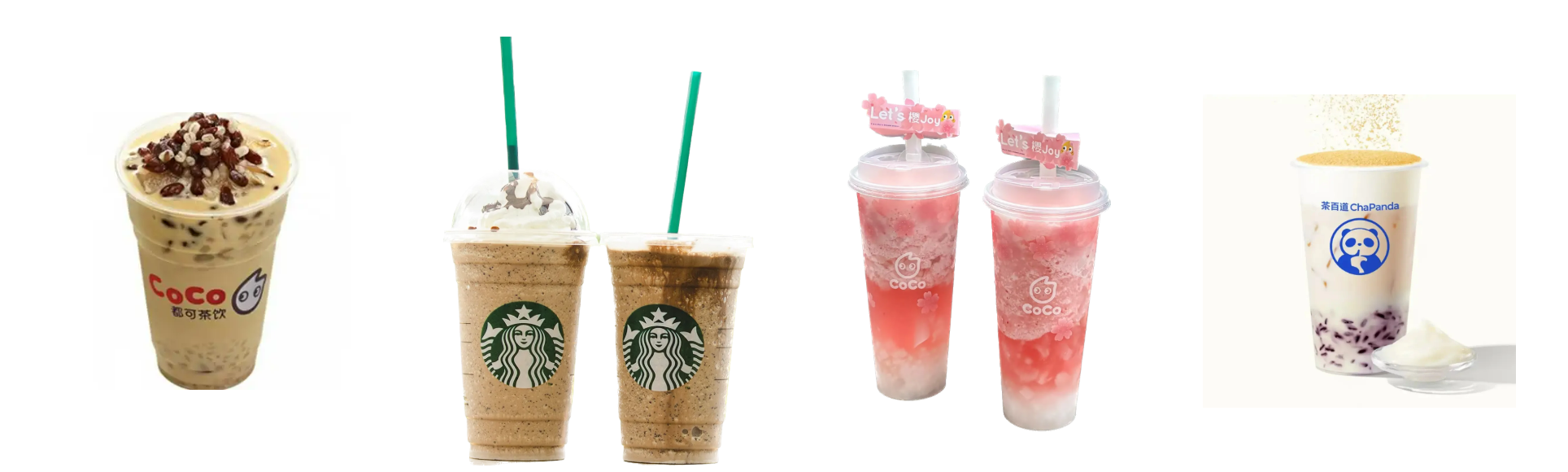
Პლასტმასის ჭიქებზე მორგებული დიზაინების ბეჭდვა ჩვეულებრივ ყავის შეწყვეტებს გარდაქმნის მუდმივი ბრენდის გამჟღავნების შესაძლებლობებად. საინდუსტრიო კვლევები მიუთითებენ, რომ უმეტესობა ამ ჭიქას მინიმუმ 100-ჯერ ხედავს, სანამ ის გადააგდებს. რა არის ამ მიდგომის განსხვავება იმ მოკლეხანიანი ონლაინ რეკლამებისგან? ეს ჭიქები ხელახლა და ხელახლა გამოჩებიან სამუშაო ადგილებში, კონფერენციებზე და სოციალური მედიის პოსტებში, როდესაც ვინმე აკეთებს საკუთარი სასმელის ფოტოს. წარმოიდგინეთ ლოგო, რომელიც გამოირჩევა საკრებულო მაგიდაზე ან ჩართულია ვინმეს Instagram-ის პოსტში. ამ ტიპის ხილვადობა ბუნებრივად ვრცელდება და არ მოითხოვს დიდი ხარჯების გაკეთებას. ამასთან, რამე შეგრძნების შეძლება ფიზიკურად უკეთ მიიგრძნევა ჩვენს გონებაში, ვიდრე ნებისმიერი ეკრანზე გამოსახული რეკლამა. ბიზნესებისთვის, რომლებიც სამყაროში რეალური ამოცნობიერების შექმნას სურს, პლასტმასის ჭიქების ბეჭდვის მანქანებში ინვესტიციები ჯერ კიდევ შეიძლება იყოს საკმაოდ ეფექტური.
Მონაცემებზე დაფუძნებული გავლენა: შემთხვევის შესწავლა – სპეციალური ყავის ბრენდის 63%-იანი მატერიალური ხსენებების მატერიალური მოხსენიებების გაზრდა ჭიქების გაშვების შემდეგ
Ერთ-ერთი სპეციალური ყავის კომპანია ახლად გამოუშვა ეს ძალიან საინტერესო მისამართებით დაბეჭდილი პლასტმასის ფინჯანები, რომლებზეც მკვეთრი ლოგოები და სეზონური დიზაინები არის გამოსახული, რომლებიც წლის განმავლობაში იცვლება კომპანიის საკუთარი შიდა პლასტმასის ფინჯანების ბეჭდვის მანქანის წყალობით. დაახლოებით ნახევარი წლის განმავლობაში შეგროვებული მონაცემების ანალიზის საფუძველზე, სურათების ამოცნობარობის პროგრამული უზრუნველყოფა სოციალური მედიის პლატფორმებზე დაახლოებით 17 000-ზე მეტი ხსენება აღმოაჩინა, რაც ფინჯანების გამოშვების შემდეგ ფაქტობრივად 63 პროცენტით გაიზარდა — საკმაოდ შესანიშნავი მაჩვენებელი. ამასთანავე, ხალხი საკუთარი ფოტოების გაზიარებას აწყებს, რაც მომხმარებლის მიერ შექმნილი კონტენტის 41 პროცენტით გაზრდას ნიშნავს; ეს მოცულობა ტრადიციული რეკლამის საშუალებით შეძენის შემთხვევაში დაახლოებით 740 000 აშშ დოლარს დაიღებდა, რასაც 2023 წელს Ponemon Institute-ის კვლევა ადასტურებს. საინტერესო ის არის, რომ ახალი მომხმარებლების რვა მეათედი აღნიშნავს, რომ ბრენდის შესახებ პირველად ამ განსაკუთრებული ფინჯანების დიზაინების ამოცნობარობის შედეგად გაიგო, რაც აჩვენებს, თუ რამდენად ეფექტური შეიძლება იყოს კარგი ბეჭდვის ინვესტიციები პროდუქტის გამოცდის მიზნით ახალი მომხმარებლების მიზიდვის პროცესში.
Შესაბამისი Პლასტმასის ბოთლის ბეჭდვის მანქანა Შესაძლებლობები თქვენს ბრენდს შესატყობარო მასშტაბზე და მიზნებზე
Სწორი პლასტმასის ჭიქების ბეჭდვის მანქანის შერჩევა დამოკიდებულია ტექნიკური შესაძლებლობების, წარმოების მოცულობის, დიზაინის მოთხოვნილებების და განვითარების ეტაპის შეთავსებაზე. სასმელების ბრენდებს უნდა შეაფასონ მიმდინარე ხარჯების გარდა მანქანის სიმტკიცე, ფერების სიზუსტე, მომზადების ეფექტურობა და მასშტაბირების შესაძლებლობა — რათა მაქსიმალურად გაზრდან ბრენდირების გრძელვადიანი შემოსავლის რეიტინგი (ROI).
Ეკრანული წინააღმდეგ ციფრული ბეჭდვის შედარება: სიმტკიცე, ფერების სიზუსტე და მინიმალური შეკვეთის მოცულობის (MOQ) გავლენა სასმელების ბრენდებზე
Ეკრანული ბეჭდვა ძალიან კარგად მუშაობს, როდესაც ჩვენ სწრაფად უნდა დავამზადოთ მრავალი ნივთი და ისინი უნდა გამძლეობდნენ სიძნელის მაღალი პირობებში. მოსახსენიებლად შეგვიძლია სტადიონის საქონელი ან ფესტივალის აღჭურვილობა, სადაც ფერი უნდა გამძლეობდეს ცხარეს, მუდმივ ხახუნს და ხშირად ხელით მოხმარებას. ეკრანული ბეჭდვაში გამოყენებული სქელი ფერის ფენები ძალიან კარგად აძლევენ წინააღმდეგობას ამ ყველაფერს. ამასთან, ეკრანული ბეჭდვა შეიძლება ძალიან სიზუსტით აღადგენოს კონკრეტული Pantone ფერები. მაგრამ აქ არის ერთი პრობლემა: ყველაფრის მოწყობის პროცესი დროსა და ფულს მოითხოვს, რის გამოც უმეტესობა ბეჭდვის სამსახურები არ მიიღებს 5000-ზე ნაკლები ერთეულის შეკვეთებს. ეს ბევრი მცირე ბიზნესისთვის საკმაოდ დიდი საფრთხეა. ამ შემთხვევაში ციფრული ბეჭდვა ხდება მნიშვნელოვანი, რადგან ის გაცილებით მეტად მორგებადია. ბეჭდვის სამსახურები შეძლებენ მომზადებას უკვე 100 ჭიქიდან დაწყებული, დეტალური სურათების ბეჭდვას, რომლებიც ფოტოგრაფიული ხარისხის მოხდება, ასევე დიზაინერებს საშუალებას აძლევს თავიანთი ნამუშევრების შეცვლას დამატებითი ხარჯების გარეშე (ეკრანების მოწყობის გარეშე). მიუხედავად ამისა, ფერი არ არის ისე სქელი, ამიტომ ის არ გამძლეობს ისე დიდხანს ინტენსიური გამოყენების პირობებში. ამ მიზეზით, ციფრული ბეჭდვა მეტად შესაფერებელია პრომო ნივთებისთვის, რომლებიც მხოლოდ ერთხელ ან ორხელავე გამოიყენება და შემდეგ გამოიყენება, ვიდრე პროდუქტებისთვის, რომლებიც წლების განმავლობაში რეგულარული გამოყენების პირობებში უნდა გამძლეობდნენ.
Თბოგადაცემა და პედ პრინტინგი: იდეალური ამონახსნები მრუდ ფინჯანებზე და დაბალი მოცულობის ბრენდის ტესტირებისთვის
Კონუსური, ტექსტურული ან კონტურული ფორმის ჭიქები ძალიან კარგად მუშაობს სითბოს გადაცემის პრინტინგის დროს, რადგან მოქნილი ფილმის გრაფიკები ფაქტიურად გარშემოერთდება ამ ფორმებს და არ ხდება არ დაიზიანება. იდეალურია იმ საყვარელი ერგონომიული დიზაინების ან cao-ხარისხის ჭიქების შესაქმნელად, რომლებსაც ჩვეულებრივი პრინტინგის მეთოდებით არ მივიღებთ სწორ გამოხატულებას. შემდეგ გვაქვს პედის პრინტინგი, რომელიც სრულიად განსხვავებულად მუშაობს. ის იყენებს ამ რბილ სილიკონის შტამპებს, რომლებიც შეიძლება შეიტანონ ფერი რთულ ადგილებში, მაგალითად ამოტანილ ლოგოებზე ან ხაზოვან მაკაულის არეებზე. საუკეთესო ნაკლებად? არც ერთი ამ ტექნიკას არ სჭირდება მინიმალური შეკვეთის რაოდენობა 500 ცალზე მეტი, და ისინი სრულიად გამოტოვებენ ეკრანის ან პლასტინის მოწყობილობის პროცესს. მოწყობილობის დრო შემცირდება დაახლოებით 70%-ით ტრადიციული ეკრანის პრინტინგის მეთოდებთან შედარებით. ამიტომ არ უცნობარობს, რატომ აირჩევენ ამ ვარიანტებს ისეთი ბევრი ახალი ბიზნესი, რომელიც ადგილობრივად ამოწმებს სატესტო პროდუქტებს ან გამოსცემს სპეციალური გამოცემის ნივთებს. ისინი შეძლებენ სწრაფად შექმნას პროტოტიპებს და არ დაიკავებენ ძალიან მეტ საწყის კაპიტალს.
Ბრენდის უმცირესობის უზრუნველყოფა: პლასტმასის ჭიქების დაბეჭდვის მანქანებისთვის დიზაინის, ფერების და ფაილების მოთხოვნები
Კარგი შედეგების მიღება ჭიქების დაბეჭდვის დროს არ შემოიფარგლება მხოლოდ ბეჭდვის მანქანის მუშაობის დროს მიმდინარე პროცესით. მთელი პროცესი ფაქტობრივად ძალიან ადრე იწყება — თავად დიზაინის ფაილების შექმნით. ვექტორული ფორმატები, როგორიცაა AI, EPS ან PDF, ყველაზე კარგად მუშაობენ, რადგან ისინი ნებისმიერი ზომის შემთხვევაში გასასწორებლად იკლებენ ან იზრდებიან. რასტერული სურათები კი ჭიქებზე დაბეჭდვის დროს ხშირად გაუსწორდება და გაუსაგებრობას იწვევს. როდესაც ბრენდები განსაკუთრებით აფასებენ ფერების სიზუსტეს, ჩვენ ყოველთვის ვრჩევთ Pantone-ის კოდების გამოყენებას სტანდარტული RGB ან CMYK რიცხვების ნაცვლად. ფერები შეიძლება სრულიად განსხვავებულად გამოიყურეონ გამოყენებული მასალის მიხედვით, ამიტომ ფერების PMS-ით მითითება უზრუნველყოფს ერთნაირ შედეგს ყოველ ბათკის შემთხვევაში. და არ დაგვავიწყდეს, ეს მიდგომა მკაცრად დასაბუთებულია მეცნიერული კვლევებითაც. 2022 წელს Packaging Digest-ის მიხედვით, კვლევამ დაადგინა, რომ დაახლოებით 94 % ადამიანი სწორი ფერების სიზუსტეს უკავშირებს სანდო ბრენდებს.
Როდესაც საუბარი მიდის საკვების უსაფრთხოებაზე, კომპრომისების ადგილი უბრალოდ არ არსებობს. გამოყენებული წარწერის ფერი უნდა იყოს სპეციალურად დამტკიცებული საკვებთან კონტაქტში მოხვედრის მიზნით, ამიტომ ყოველთვის შეამოწმეთ სერტიფიკატები სანდო ორგანიზაციებისგან, როგორიცაა SGS ან Intertek, სანამ განაგრძებთ მუშაობას. გრაფიკული ელემენტები უნდა იყოს მინიმუმ 15 მმ-ით დაშორებული ჭიქების ზღვარსა და სითბოს დასარეცხად გამოყენებულ ადგილებს მიმართულად, რადგან მომხმარებლის მიერ ხელით მოხელების დროს ან ტემპერატურის ცვლილების შედეგად წარმოშობილი ხახუნი შეიძლება გამოიწვიოს მატერიალების დაკავშირების პრობლემები. ასევე, ყველა რეგულატორული ინფორმაცია უნდა დარჩეს გასაგებარი და ხილული. ეს ნიშნავს, რომ რეციკლირების ლოგოები, პლასტმასის ტიპის მითითებლები (მაგალითად, #5 PP) და წარმოშობის ნიშნულები უნდა იყოს სრულიად წაკითხვადი და არ უნდა იყოს რაიმე ბლოკირებული. გახსოვთ ევროკავშირის რეგულაცია №1935/2004-ის მოთხოვნები ამ საკითხებზე? დიახ, არ შეიძლება მის წინააღმდეგ მოქმედება, როდესაც ბრენდის ელემენტები ხელს უშლის აუცილებელი უსაფრთხოების მოთხოვნების გამოსახულებას. უფრო უსაფრთხო იყოფა ვიდრე შემდეგ მოხდეს რაიმე პრობლემა!
Მნიშვნელოვანია, რომ ბეჭდვის შედეგი ორეტაპიანი პროცესით შემოწმდეს. პირველ რიგში, მიიღეთ ციფრული ასლები განლაგების დეტალების შესამოწმებლად და დარწმუნდით, რომ ყველაფერი სწორად არის გასწორებული. შემდეგ შეუკვეთეთ ფიზიკური სველი ასლები, რომლებიც რეალურად იბეჭდება იმავე ჭიქის მასალასა და ფისზე, როგორც ის, რაც მასობრივ წარმოებაში იქნება გამოყენებული. მჭიდროდ ითანამშრომლეთ სტამბასთან, რათა შექმნათ ICC ფერის პროფილები, რომლებიც სპეციალურად მორგებული იქნება გამოყენებული მასალებისა და კონკრეტული ბეჭდვის აღჭურვილობისთვის. ეს კალიბრაცია დიდ განსხვავებას ქმნის ძვირადღირებული ხელახალი ბეჭდვის სამუშაოების თავიდან ასაცილებლად მოგვიანებით. როდესაც ბრენდის ფერები ზუსტად ემთხვევა კომპიუტერის ეკრანებიდან მაღაზიის თაროებზე არსებულ რეალურ პროდუქტებს, მომხმარებლები ამჩნევენ ხარისხს და თანმიმდევრულობას.
Როცა პლასტმასის ჭიქების ბეჭდვის მანქანის ექსპლუატაცია ხდება ტექნიკური სიზუსტით და რეგულატორული ცნობიერებით, ეს მანქანა ხდება უფრო მეტი, ვიდრე მხოლოდ წარმოების საშუალება — ის მიაწოდებს შესაბამის, თანმიმდევრულ და მიმზიდველ ბრენდის საშუალებებს, რომლებიც უზრუნველყოფენ ამოცნობარობას, ნდოვანებას და გაზომვად ბიზნეს გავლენას.
Ხშირად დასმული კითხვები
Რატომ მიიჩნევა მორგებული ჭიქების ბეჭდვა მაღალი ROI-ის ინვესტიციად?
Ინდივიდუალურად დაბეჭდული ფინჯანები პლასტმასის ბოთლის ბეჭდვის მანქანა სთავაზობს ხშირად მეორედ გამოყენების შესაძლებლობას ბრენდის პრომოციისთვის, რადგან ფინჯანები ხშირად ხედავენ რამდენიმეჯერ, განსაკუთრებით სოციალურ სეტინგებში ან სოციალური პლატფორმებზე. ისინი სთავაზობენ მასშტაბურ ბრენდინგის შეტყობინებას, რომელსაც ონლაინ რეკლამები ვერ შეძლებენ.
Რა უპირატესობები აქვს ციფრულ ბეჭდვას ეკრანულ ბეჭდვასთან შედარებით?
Ციფრული ბეჭდვა საშუალებას აძლევს მცირე რაოდენობის შეკვეთების და უფრო დეტალური სურათების მომზადებას. ის იდეალურია პრომოციული ნივთებისთვის და არ ითვალისწინებს დამატებით საფასურს ეკრანებისთვის, ხოლო ეკრანული ბეჭდვა უფრო გამძლეა, მაგრამ მოითხოვს მაღალ შეკვეთის რაოდენობას.
Როგორ შეძლებენ საწარმოები უზრუნველყოფას უზრუნველყოფას ფინჯანების ბეჭდვის დროს?
Საწარმოებმა უნდა დარწმუნდნენ, რომ ფერწერი დამტკიცებულია საკვების კონტაქტისთვის სანდო ორგანიზაციების მიერ, როგორიცაა SGS ან Intertek. ასევე, უნდა დაიცვან ბრენდის გრაფიკული ელემენტები ფინჯანის კიდესა და დახურვის არეების მიდამოებიდან, რათა თავიდან აიცილონ უსაფრთხოების საკითხები.
Სარჩევი
-
Რატომ Პლასტმასის ჭიქების დასაბეჭდი მანქანები Არის მაღალი შემოსავლიანობის მქონე ბრენდინგის ინვესტიცია
- Შესაძლებელი ბრენდის ექსპოზიცია: როგორ უზრუნველყოფს ინდივიდუალურად დამზადებული ჭიქები ხელახლა ჩანებას და სოციალურ გაზიარებას
- Მონაცემებზე დაფუძნებული გავლენა: შემთხვევის შესწავლა – სპეციალური ყავის ბრენდის 63%-იანი მატერიალური ხსენებების მატერიალური მოხსენიებების გაზრდა ჭიქების გაშვების შემდეგ
- Შესაბამისი Პლასტმასის ბოთლის ბეჭდვის მანქანა Შესაძლებლობები თქვენს ბრენდს შესატყობარო მასშტაბზე და მიზნებზე
- Ბრენდის უმცირესობის უზრუნველყოფა: პლასტმასის ჭიქების დაბეჭდვის მანქანებისთვის დიზაინის, ფერების და ფაილების მოთხოვნები
- Ხშირად დასმული კითხვები