 EN
EN
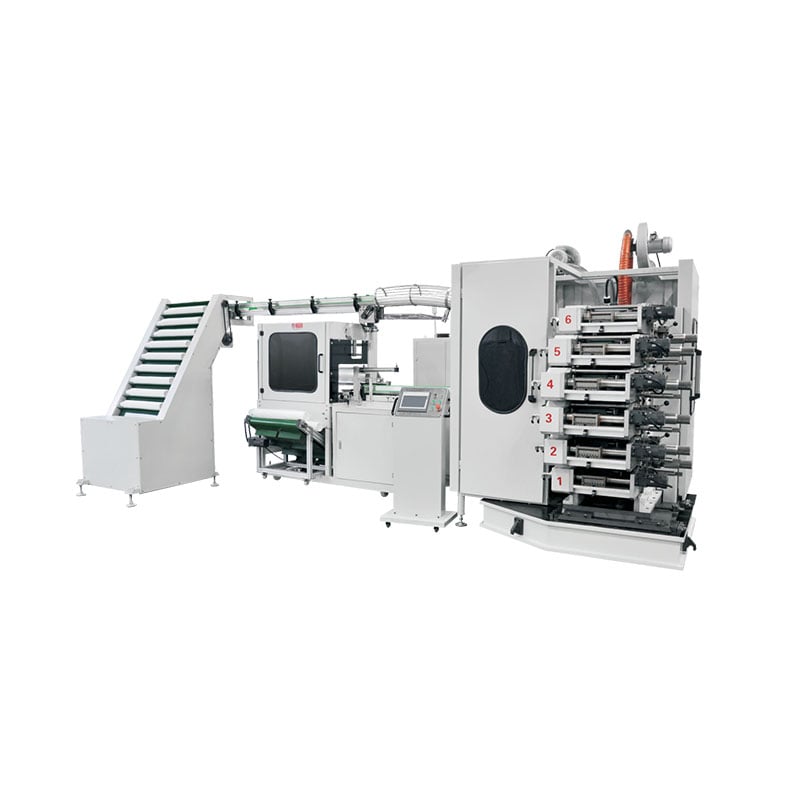
UV Direct-to-Object Printing: Precision, Speed, and Compatibility with Plastic Cup Printing Machines
How UV-Cured Inks Enable High-Fidelity Color on Non-Porous Plastic Surfaces
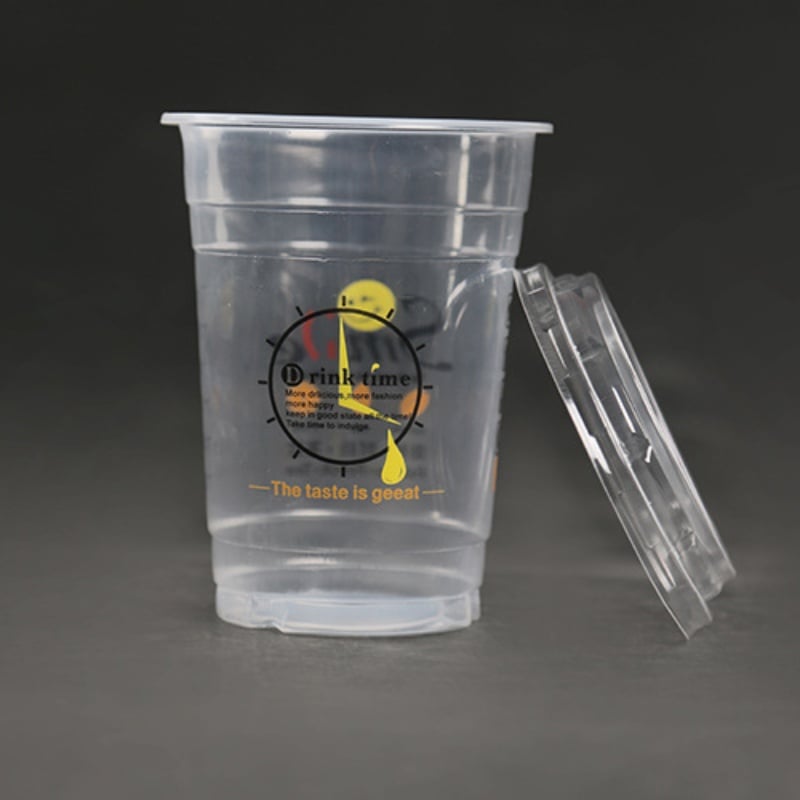
When exposed to UV light, these special inks stick right away to smooth plastic surfaces without needing to soak in. This means no more colors running together or getting blurry around the edges. The process happens so fast that printers get crisp lines, detailed images, and realistic color transitions even at impressive resolution levels of about 1200 dots per inch according to some recent studies from Ponemon in 2023. What makes this really good for food packaging is that once cured, the ink turns into harmless materials safe enough for contact with drinks. Traditional printing setups required big dryers which consumed lots of power, but modern UV systems eliminate those energy guzzlers while speeding things up significantly. That's why many manufacturers prefer these systems when producing small batches of different colored cups for events or specialty products.
Rotary High-Throw Systems (e.g., X5-T) for Contoured and Handle-Equipped Cups
The rotary high throw systems tackle those tricky ergonomic issues by holding onto all sorts of cups during their rotation - think tapered shapes, ones with handles, or anything that just doesn't fit neatly into standard equipment. When spinning around, these machines use specially positioned print heads to lay down ink evenly everywhere it needs to go, even getting underneath handles or into tight neck areas where regular printers would struggle. What makes them really stand out is how accurate they stay with droplet placement across complicated surfaces, keeping things within about 0.1mm tolerance throughout the whole process. This level of precision means we can do full wrap decorations without anyone noticing any seams at all. Plus, these systems finish off a complete 360 degree print job in less than 50 seconds each time, which is pretty impressive considering they also handle quick tool changes for different cup shapes without messing up the alignment quality.
Digital Printing Advancements: On-Demand Personalization and Inline Integration
Inline Digital Printers for Real-Time Customization on Disposable Plastic Cups
Inline digital printers are built right into plastic cup production lines so companies can customize products in real time as they're being made, rather than adding it later as an extra step. This approach cuts out all the problems with staging areas, manual handling, and alignment issues that used to plague these operations. Plus, changing between different print jobs takes about two thirds less time than before. With variable data printing (VDP), manufacturers can tweak texts, logos, QR codes and other branding elements on the fly without any drop in speed. The thermal inkjet (TIJ) tech works great for sticking to those common plastics like polyethylene and polypropylene. Factories report around half the waste compared to old school analog printing methods when using this modern system.
Scalable Hyper-Personalization: From Brand Campaigns to Micro-Targeted Promotions
The latest digital plastic cup printing tech lets companies personalize their products at scale for all sorts of campaigns big and small. Think national rollouts one day, then local neighborhood promotions the next. Brands are using this technology for things like putting regional images on cups, creating special designs for events such as football games or music festivals, making small batches to test new markets, even coding individual cups for customer loyalty rewards. Variable Data Printing changes what goes on each cup as it moves through the machine without slowing things down or messing up quality. According to research published last year in packaging industry journals, when people see their name or something relevant printed directly on a drink container, they tend to engage with the brand about 78% more than usual. Plus these machines handle everything from tiny orders of around 500 units right up to massive print runs exceeding half a million pieces while keeping colors looking exactly the same every time.
Next-Generation Analog Printing: Flexo and Screen Upgrades for Plastic Cup Printing Machines
Water-Based and Low-VOC Flexographic Inks Optimized for Food-Safe Plastic Cups
Today's flexographic printing equipment has started incorporating water based inks along with those containing very low levels of volatile organic compounds (VOCs). These special formulations are designed to work well on food contact materials such as polypropylene plastic. They get rid of dangerous chemical solvents that used to be common, yet still stick firmly to smooth surfaces where traditional inks would just slide off. The fast drying time cuts down wait periods significantly compared to older solvent type inks, which means production lines can run much faster when making plastic cups on rotary machines. There are also FDA approved options available that stop the ink from migrating into products, something that's become essential for meeting all sorts of international safety requirements for drinks packaging.
High-Resolution Screen Printing for Small-Diameter and Specialty-Shaped Cups
Mesh screens packed with over 400 threads per inch let printers deposit ink exactly where it needs to go, even on tricky spots that regular flexography just can't reach. Think small cups less than 2.5 inches across or containers with built-in handles that throw off standard printing techniques. Most shops have started adopting automated micro-registration tech which keeps everything lined up batch after batch. And don't forget the custom platens that hold oddball shapes steady throughout the print run. All this adds up to gradients that look about 30 percent crisper compared to old school analog printing methods. Makes all the difference when clients want their branded drinkware to look like professional photography rather than just another cheap printed item sitting on store shelves.
Smart and Sustainable Innovations: Reactive Inks and Eco-Conscious Production
Thermochromic and Photochromic Inks as Engagement Tools in Beverage Packaging
When someone wraps their hands around a warm drink, thermochromic ink starts to show off secret designs or words that were invisible before. Photochromic ink works differently it changes colors when hit with sunlight, which makes for some pretty cool effects at festivals or store windows where people can actually interact with packaging. According to a study published last year in Packaging Digest, these kinds of smart materials really stick in customers' minds about 47% better than regular cups do for drinks. The good news is manufacturers can print these special inks right onto plastic cups too. Most modern printers handle them just fine with either UV light or LED curing systems that don't get too hot, so there's no risk to食品安全 while still looking sharp on shelves.
Helix One® and Other Low-Waste Systems Reducing VOCs and Ink Consumption
Printing systems that operate in closed loops can really cut down on environmental damage when making disposable cups. The filtration tech grabs around 99% of those harmful VOCs, while the precision applicators slash ink waste by about a third. Plus, there's this water purification system built right in that lets companies reuse nearly all their process water. These improvements aren't just good for the planet either they actually help businesses save money too. The Sustainable Packaging Coalition reported last year that factories using these upgraded printing machines with real time monitoring end up saving about 18 tons of ink each year on every production line they install them on.
FAQ Section
What are the benefits of using UV-cured inks in plastic cup printing?
UV-cured inks provide high-fidelity color representation on non-porous surfaces like plastic cups. They dry instantly under UV light, ensuring crisp images without blurring, and are safe for food contact.
How do rotary high-throw systems handle complex cup shapes?
These systems use strategically placed print heads to apply ink evenly on contoured surfaces, including under handles, maintaining a precision droplet placement with a tolerance of about 0.1mm.
What is the advantage of inline digital printers in cup production?
Inline digital printers enable real-time customization during the production process, reducing the need for staging areas and cutting changeover time between print jobs by two-thirds.
How do thermochromic and photochromic inks enhance customer interaction?
Thermochromic inks reveal hidden designs with heat, while photochromic inks change colors in sunlight, providing interactive experiences that engage customers more effectively.
What are the environmental benefits of low-waste printing systems like Helix One®?
These systems operate in closed loops to capture about 99% of VOCs and reduce ink waste by a third, also incorporating water purification for reusing process water, contributing to sustainability and cost savings.
Table of Contents
- UV Direct-to-Object Printing: Precision, Speed, and Compatibility with Plastic Cup Printing Machines
- Digital Printing Advancements: On-Demand Personalization and Inline Integration
- Next-Generation Analog Printing: Flexo and Screen Upgrades for Plastic Cup Printing Machines
- Smart and Sustainable Innovations: Reactive Inks and Eco-Conscious Production
-
FAQ Section
- What are the benefits of using UV-cured inks in plastic cup printing?
- How do rotary high-throw systems handle complex cup shapes?
- What is the advantage of inline digital printers in cup production?
- How do thermochromic and photochromic inks enhance customer interaction?
- What are the environmental benefits of low-waste printing systems like Helix One®?