 EN
EN
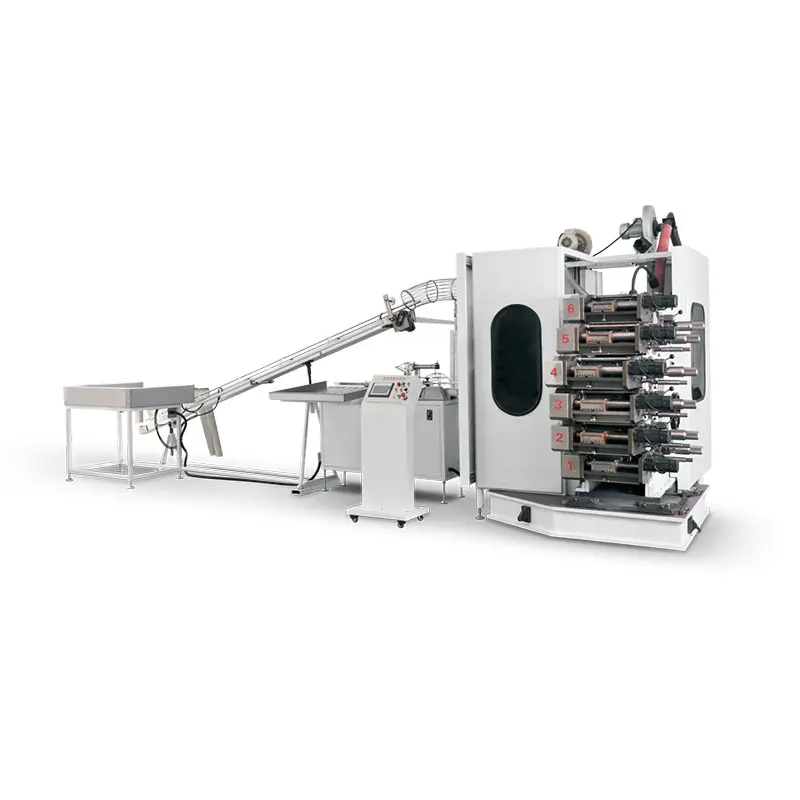
Choosing the Right Plastic Cup Printing Machine for B2B Scalability
Screen vs Digital vs Pad Printing: Matching Technology to Volume, Detail, and Substrate
When choosing a printing approach, most companies focus on three main considerations: how many items they need printed, how complex the design is, and what kind of plastic material they’re working with. Screen printing tends to be the most budget friendly option when dealing with large quantities over 10,000 units, especially for straightforward logos or text. It works really well on curved surfaces too, getting almost full coverage at around 98% opacity. Digital printing methods like inkjet or UV technology are better suited for smaller batches where customers want photo quality images or need to personalize each item. The catch here is that special polymer compatible inks are necessary to make sure everything sticks properly and lasts through regular use. Textured cups or those odd shaped containers such as double walled designs present their own challenges. Pad printing handles these tricky jobs pretty well even though it doesn’t run quite as fast as other methods. Small businesses looking to print fewer than 5,000 items per month usually invest in semi automated pad printing equipment costing between fifteen and twenty five thousand dollars. Larger operations that consistently produce more than fifty thousand cups every month typically go for rotary screen systems which can handle production at just three seconds per unit but come with price tags starting above eighty thousand dollars.
Material-Specific Compatibility: PET, PP, PS, and PE Surface Energy & Pretreatment Needs
Material science dictates pretreatment protocols, as polymer substrates exhibit distinct surface energy (measured in dynes/cm):
- PET (polyethylene terephthalate): 40–42 dynes/cm; requires flame treatment for water-based inks
- PP (polypropylene): 29–31 dynes/cm; mandatory corona discharge to prevent ink peeling
- PS (polystyrene): 36–38 dynes/cm; optimal for pad printing without pretreatment
- PE (polyethylene): 31 dynes/cm; needs plasma activation for lasting adhesion
Low-energy plastics like PP demand specialty adhesion promoters, increasing ink costs by 20–30% versus untreated PS. Food-safe compliance further narrows ink options—UV-curable inks must pass migration testing per FDA 21 CFR and EU Regulation 10/2011.
Design-to-Production Workflow for Food-Safe Custom Cups
Preparing Print-Ready Files: Color Management, Vector Requirements, and Cup-Curvature Compensation
Converting designs to production-ready files demands precision. Use vector graphics (SVG/EPS) to maintain sharpness at any scale, and calibrate colors using Pantone Matching System (PMS) or CMYK profiles to avoid ink mismatches. Crucially, account for cup curvature:
- Apply distortion algorithms to artwork, preventing warped logos
- Allocate 3–5mm bleed areas to accommodate manufacturing tolerances
- Test print runs on sample cups before full production
Failure to compensate for curvature causes misalignment in 15% of initial batches (Packaging Digest 2023), increasing material waste. A high-quality plastic cup printing machine with laser registration ensures consistent positioning across thousands of units.
Regulatory Compliance: FDA, EU 10/2011, and Migration Testing for Food-Contact Inks
Food-safety isn’t negotiable. Inks must pass:
- FDA 21 CFR or EU Regulation 10/2011 standards for heavy metals (<0.1ppm lead/cadmium)
- Migration testing simulating hot/cold liquid exposure
- Abrasion resistance checks ensuring prints won’t leach when scratched
Non-compliant inks risk chemical migration exceeding 12% of regulatory thresholds (Food Packaging Forum 2023). Always request suppliers’ Certificates of Conformity and third-party lab reports. Opt for UV-cured or water-based inks with AP (Approved Product) certifications for direct food contact.
Financial Foundation: CapEx, Breakeven, and Scalable Business Model Design
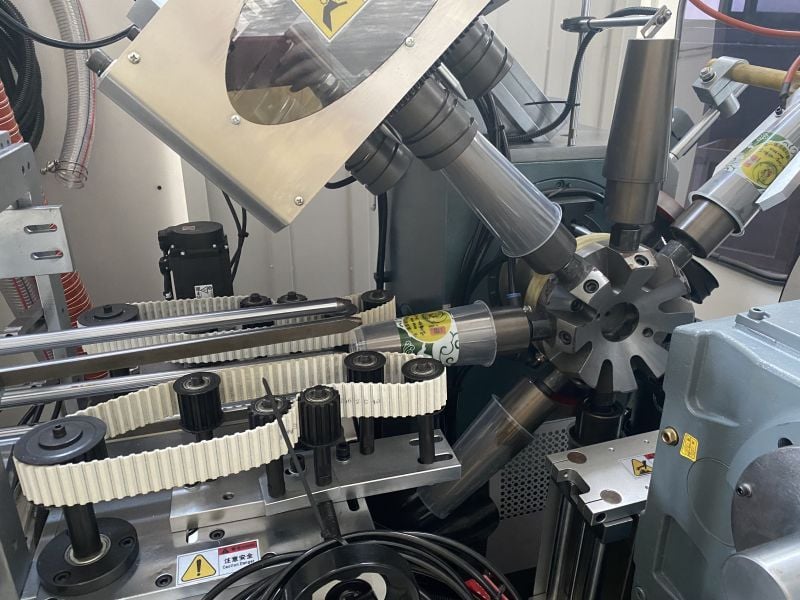
Plastic Cup Printing Machine Investment Tiers: Entry-Level Automation vs Mid-Tier ROI Drivers
Picking out a plastic cup printing machine means weighing what we spend at first against how well it can grow with our business over time. For small operations just getting started, there are entry level systems priced around $15 thousand to $30 thousand that handle basic printing needs. These work great for companies looking to print about 50 thousand cups each month, mainly working with materials like PET plastic. Then there’s the mid range equipment costing between $30k and $80k. These machines really start paying off because they’re fully automated, capable of producing over 200 thousand units per month across different types of plastics including PP, PS and PE. When thinking about when these investments will actually pay themselves back, several things come into play that every manufacturer should consider carefully before making a purchase decision.
| Investment Tier | Throughput | Material Range | Best For |
|---|---|---|---|
| Entry-Level | < 1k/hr | PET-focused | New businesses, low volume |
| Mid-Tier | 2k–5k/hr | PET/PP/PS/PE | Scaling beyond 200k monthly units |
When companies invest in higher levels of automation, they typically see labor costs drop somewhere around 30 to 50 percent according to recent industry data from 2024. At the same time, being able to work with different materials opens doors to those lucrative premium contracts many manufacturers dream about. For mid range equipment setups, most businesses hit their break even point somewhere between 12 and 18 months if they’re running about 100 thousand units per month. This happens because these systems come with quicker changeovers and already built in food safe ink solutions that save time and money. As operations grow, scalability becomes important too. That’s why smart manufacturers go for modular designs upfront. These allow them to upgrade later on with things like UV curing technology or inline quality checks without having to completely replace everything just to expand production capacity down the road.
B2B Growth Strategy: Target Markets, Channel Optimization, and Margin Protection
Winning Wholesale Contracts: Event Planners, Promotional Agencies, and Restaurant Brand Partnerships
To build lasting B2B revenue, businesses need to focus on wholesale customers who consistently buy large quantities. Take event planners for festivals and conferences they often place orders ranging from around 5,000 to even 50,000 items every three months. These bulk purchases provide stable volume that helps cover those expensive production setup costs. When dealing with promotional agencies, stress what makes us different our plastic cup printing equipment can handle quick design changes, which is exactly what these agencies need for their seasonal marketing pushes. Restaurants looking for branded tableware want products that meet food safety standards and last through daily use. We should show off our material certifications and offer better pricing when orders hit 20,000 units or more to secure those contracts. Logistics matters too. Consolidating shipments to regional distribution centers instead of shipping directly to each location cuts down on freight expenses by roughly 15 to maybe 30 percent per customer. Setting up quarterly minimums with payment plans that work for both sides improves cash flow. And don’t forget to highlight unique selling points like our carbon neutral manufacturing process or the special scratch resistant coating we developed nobody else has. All these tactics together turn one time buyers into valuable long term business relationships.
FAQs
What factors should I consider when choosing a plastic cup printing machine?
Consider factors like printing volume, design complexity, and the type of plastic material. Different printing methods such as screen, digital, and pad printing suit different needs.
Why is surface energy important in plastic cup printing?
Surface energy impacts how well the ink adheres to the plastic. Different materials like PET, PP, PS, and PE have specific pretreatment requirements to ensure successful printing.
How can I ensure regulatory compliance for food-safe cup printing?
Use inks that meet FDA and EU standards for food contact safety. Ensure the inks undergo migration and abrasion testing and possess necessary certifications like UV-cured or AP certifications.
How can businesses win and retain wholesale contracts?
Focus on B2B markets like event planners, promotional agencies, and restaurants. Offer customization, meet safety standards, and optimize logistics to sustain long-term relationships.
What are the investment considerations for plastic cup printing machines?
Balance initial cost against scalability and operational growth potential. Entry-level systems suit newcomers, while automated mid-range systems cater to those scaling production.
Table of Contents
- Choosing the Right Plastic Cup Printing Machine for B2B Scalability
- Design-to-Production Workflow for Food-Safe Custom Cups
- Financial Foundation: CapEx, Breakeven, and Scalable Business Model Design
- B2B Growth Strategy: Target Markets, Channel Optimization, and Margin Protection
-
FAQs
- What factors should I consider when choosing a plastic cup printing machine?
- Why is surface energy important in plastic cup printing?
- How can I ensure regulatory compliance for food-safe cup printing?
- How can businesses win and retain wholesale contracts?
- What are the investment considerations for plastic cup printing machines?