 EN
EN

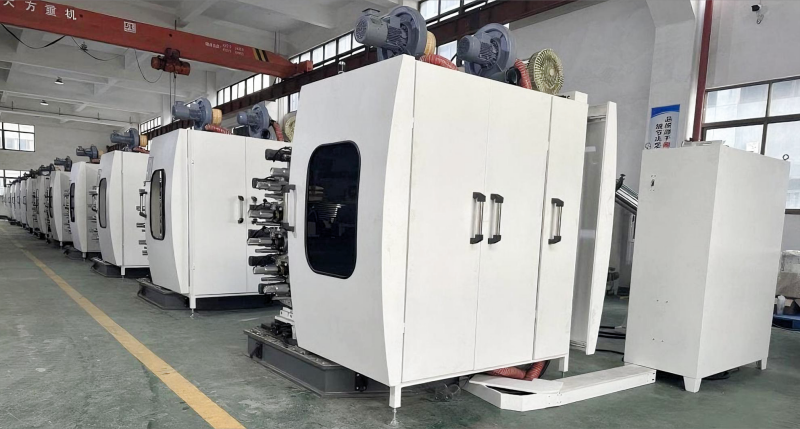
Regulatory Compliance for Food-Contact Materials in Plastic Cup Printing Machines
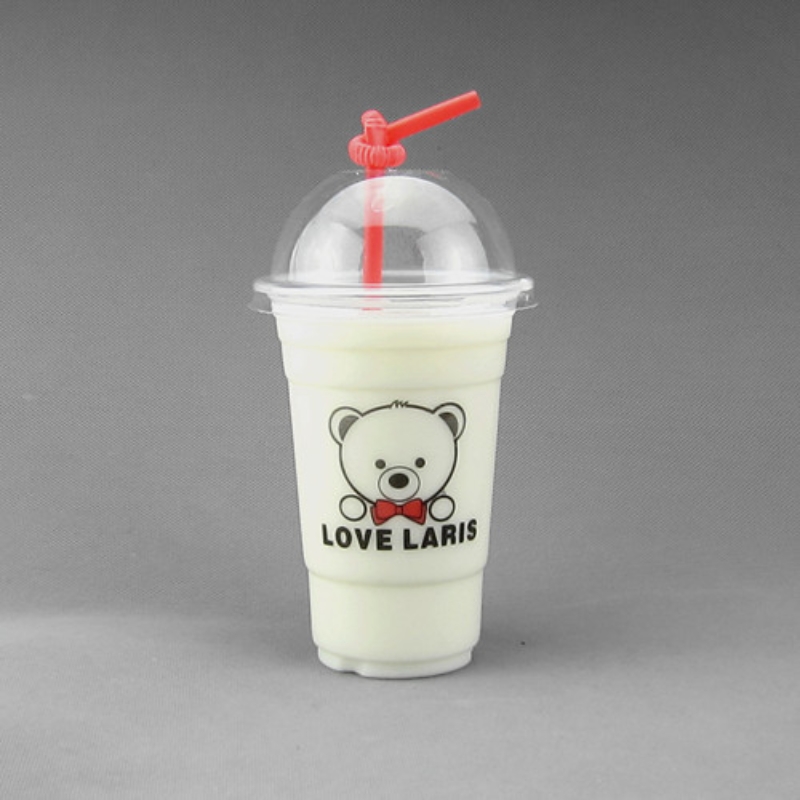
FDA 21 CFR §177.1520 and EU 10/2011: Migration Limits and Material Safety
Plastic cup printing machines must ensure that all food-contact materials—resins, inks, coatings, and adhesives—comply with FDA 21 CFR §177.1520 and EU Regulation (EC) No 10/2011. These frameworks establish science-based migration limits to prevent harmful substances from leaching into food or beverages under realistic use conditions.
According to FDA regulations, certain components can get exempt from regulation through what's called the Threshold of Regulation (TOR) when their migration stays under 0.5 parts per billion. This level basically means there's not enough migrating material to be a health concern. Things work differently in the European Union though. They have this stricter system where they actually keep track of approved monomers and additives in a positive list. Companies need to submit complete Declaration of Conformity paperwork too. And then there's all these tests required for migration levels. These tests use different food simulants that mimic real foods we eat every day. For example, they test how materials react with acidic substances like vinegar (around 3% acetic acid), fatty stuff similar to olive oil, and even alcoholic solutions containing about 10% ethanol.
These divergent requirements mean manufacturers cannot rely on single-test validation. Resin formulations must be verified as Generally Recognized as Safe (GRAS) or listed in FDA 21 CFR, while EU compliance demands full traceability from raw material to finished component—including batch-specific migration test reports.
Global Standards Overview: ISO, REACH, and RoHS in Plastic Cup Printing
Beyond U.S. and EU food-contact rules, global supply chains must navigate overlapping chemical and safety frameworks. ISO 22000 integrates food safety management principles into material sourcing and production, requiring hazard analysis for all plastics used in printing machinery—especially those exposed to heat, solvents, or mechanical stress.
The REACH regulation covers around 200 different substances including things like phthalates, some flame retardants, and those dangerous CMR compounds. Companies need to register any substance they manufacture or import if it's over 1 metric ton per year. Then there's RoHS which focuses on electrical parts in printing equipment. This rule bans several harmful materials such as lead, cadmium, mercury, hexavalent chromium, plus PBB and PBDE flame retardants when their concentration goes above 0.1 percent by weight or 100 ppm. Testing for compliance usually involves ICP-MS batch tests. Both regulations aim to protect workers and consumers from potentially hazardous chemicals while ensuring products meet safety standards across Europe.
Harmonizing these standards across design, procurement, and quality assurance reduces cross-border compliance costs by 18–30%, according to 2023 supply chain benchmarking data from the Packaging Safety Institute.
Harmonizing U.S. and EU Regulations: Addressing Conflicting Safety Thresholds
Reconciling regulatory differences requires proactive, risk-based strategies—not just legal minimums. Best-in-class manufacturers adopt three core practices:
- Applying the strictest applicable migration limit (e.g., EU’s 10 mg/kg for acetic acid simulant) across global product lines to simplify validation and support dual-market access;
- Selecting dual-certified base materials—such as polypropylene grades explicitly listed in both FDA §177.1520 and EU 10/2011 Annex I—to reduce reformulation complexity;
- Embedding ISO 9001-aligned quality systems that enable full batch traceability, real-time documentation control, and rapid audit response.
When it comes to material safety data sheets (MSDS or SDS), they need to show compliance across all applicable standards, not just what works for one regulatory body. The differences in allowable heavy metal content are causing real problems at borders. Take nickel levels as an example EU regulations cap it at 0.02 mg/kg while the FDA allows up to 0.1 mg/kg. These kinds of mismatches explain why about a third of food contact products get rejected when entering the EU market according to recent customs enforcement data from Brussels.
Food-Safe Ink Systems and Chemical Biocompatibility
Toxicological Assessment of Ink Formulations for Consumer Safety
The ink used in printing on plastic cups must pass strict safety tests for both direct contact with food and accidental exposure scenarios, like when someone handles the cups and transfers chemicals to their skin. Regulations from FDA 21 CFR §177.1520 and EU 10/2011 mandate that independent labs test these inks under conditions similar to what happens in real life situations. They check how well the inks hold up when exposed to heat, acidic substances, and even alcohol. The testing focuses specifically on measuring how much of certain additives migrate out of the ink over time. These include things like photoinitiators, plasticizers, and stabilizers. For example, nonylphenol has a maximum allowable limit of just 0.01 mg per kg according to current standards.
When looking at long term health effects, toxicologists often turn to probability based models to figure out what kind of risks people might face over time. They check that products don't have any harmful substances like cancer causing agents, genetic mutators, or things that affect reproduction abilities. Recent research from the Packaging Safety Institute back in 2023 showed something interesting about printing materials. Water based inks actually cut down on chemicals moving into plastic cups made of polyethylene by around three quarters compared with those old fashioned UV curing inks. And here's the kicker they didn't mess with how well the printed images looked or shorten how long the products would last on store shelves either.
VOC Emissions, Heavy Metal Restrictions, and Skin Sensitization Testing
Beyond just what touches our food, compliance matters when it comes to worker safety and environmental impact too. The REACH and RoHS regulations actually put strict limits on heavy metals like lead, cadmium, and mercury in printed parts, keeping them below 100 parts per million. Manufacturers have to verify this through something called ICP-MS batch testing, which sounds complicated but is standard practice now. Then there's the issue of VOCs released during printing operations. These volatile organic compounds are governed by OSHA regulation 1910.1000, setting maximum allowable exposure levels at around 50 milligrams per cubic meter for substances equivalent to toluene throughout an entire eight hour shift. This means factories need proper ventilation systems and protective measures for workers handling these materials day after day.
To check for skin sensitization, researchers follow OECD Test Guideline 406 which involves what's called repeat insult patch testing on actual people. This helps identify potential allergens like isothiazolinones, those common preservatives we often find in products that can cause contact dermatitis when someone reacts to them. Meanwhile, top ink manufacturers have made significant progress lately. They've managed to cut VOC emissions by about 90% thanks to new water-based pigment technologies. These formulations stick well to materials like polypropylene and PET without needing any special solvent treatments first, making production cleaner while still getting good results.
Mechanical and Operational Safety for Plastic Cup Printing Machines
Ensuring safety in plastic cup printing operations requires rigorous adherence to mechanical and operational protocols—particularly where high-speed automation interfaces with human operators. Key safeguards include machine guarding, emergency stops, energy isolation, and standardized training—all anchored in internationally recognized safety frameworks.
Machine Guarding, Emergency Stops, and ISO 13857 Compliance
Good machine guarding relies on things like fixed enclosures, interlocked barriers, and those light curtain systems to keep workers away from dangerous areas around machines. Think about those pinch points where rollers come together, spinning blades, or even hot parts in drying units. When it comes to emergency stops, they need to stand out clearly with that red over yellow color scheme everyone recognizes. These stops should be placed right there at hand's length for every workstation, ideally within about a meter and a half. That way operators can hit them fast if someone gets caught in machinery or something goes wrong unexpectedly.
The ISO 13857 standard sets out safety distances depending on how fast something approaches and what kind of danger it poses. For slow moving hazards, at least 800 mm clearance is needed while faster risks require much bigger gaps between equipment and workers. According to recent figures published in the Safety Standards Digest back in 2023, workplaces following these guidelines see fewer than half the number of mechanical injuries compared to those that don't follow them properly. Maintenance isn't just recommended but absolutely essential if companies want to keep their safety record intact throughout all shifts and production runs. That means checking those gaps regularly, doing thorough visual inspections, and keeping detailed records of everything done to maintain compliance with industry requirements.
Lockout/Tag-Out (LOTO) Procedures Aligned with OSHA 1910.147
Lockout/Tag-Out (LOTO) is the cornerstone of maintenance safety. It requires systematic isolation of all energy sources—including electrical, pneumatic, hydraulic, and gravitational—before servicing or cleaning. Workers must apply personal locks and tags to each isolated point, verifying zero energy state with calibrated test equipment before beginning work.
The OSHA standard 1910.147 requires companies to document their lockout tagout programs properly, train workers based on their roles, and conduct yearly checks to make sure everyone follows the rules. When businesses fail to get this right, things go wrong fast. The BLS reported around 150 deaths and well over 2,500 major injuries last year alone from improper lockout procedures across American factories. Look at plastic cup printing operations specifically these days. Those machines run on multiple energy sources powering everything from conveyor belts to heating elements and UV curing lights. Without strict lockout protocols in place, workers face real dangers like getting crushed between parts, losing limbs, or suffering severe burns from hot equipment they shouldn't be near during maintenance.
FAQ Section
What are the main regulations regarding food-contact materials?
Food-contact materials are regulated by FDA 21 CFR §177.1520 in the U.S. and EU Regulation (EC) No 10/2011 in Europe. These standards establish migration limits for materials to prevent harmful substances from contaminating food and beverages.
What is the Threshold of Regulation (TOR)?
The Threshold of Regulation (TOR) allows certain components to be exempted from FDA regulation if their migration levels stay below 0.5 parts per billion, indicating minimal health concern.
What are the testing conditions for material safety?
FDA tests use 10% ethanol at 100°F for 10 days, whereas EU tests use 3% acetic acid at 70°C for 2 hours to evaluate material safety in food contact scenarios.
How do ISO, REACH, and RoHS affect plastic cup printing?
These regulations affect chemical and safety frameworks in plastic cup printing, with REACH covering 200 substances and RoHS banning hazardous materials in electrical parts, ensuring global safety standards.
How do manufacturers harmonize U.S. and EU regulations?
Manufacturers harmonize regulations by applying the strictest limits globally, using dual-certified materials, and implementing ISO 9001-aligned quality systems for batch traceability.
What are food-safe ink systems?
Food-safe ink systems require passing safety tests for direct food contact and exposure scenarios. They are tested for additives like photoinitiators, plasticizers, and stabilizers under real-life conditions.
What is Lockout/Tag-Out (LOTO)?
LOTO is a safety procedure ensuring energy isolation before machine servicing. It involves applying personal locks and tags, verifying zero energy states, and is governed by OSHA standard 1910.147.
Table of Contents
- Regulatory Compliance for Food-Contact Materials in Plastic Cup Printing Machines
- Food-Safe Ink Systems and Chemical Biocompatibility
- Mechanical and Operational Safety for Plastic Cup Printing Machines
-
FAQ Section
- What are the main regulations regarding food-contact materials?
- What is the Threshold of Regulation (TOR)?
- What are the testing conditions for material safety?
- How do ISO, REACH, and RoHS affect plastic cup printing?
- How do manufacturers harmonize U.S. and EU regulations?
- What are food-safe ink systems?
- What is Lockout/Tag-Out (LOTO)?