 EN
EN
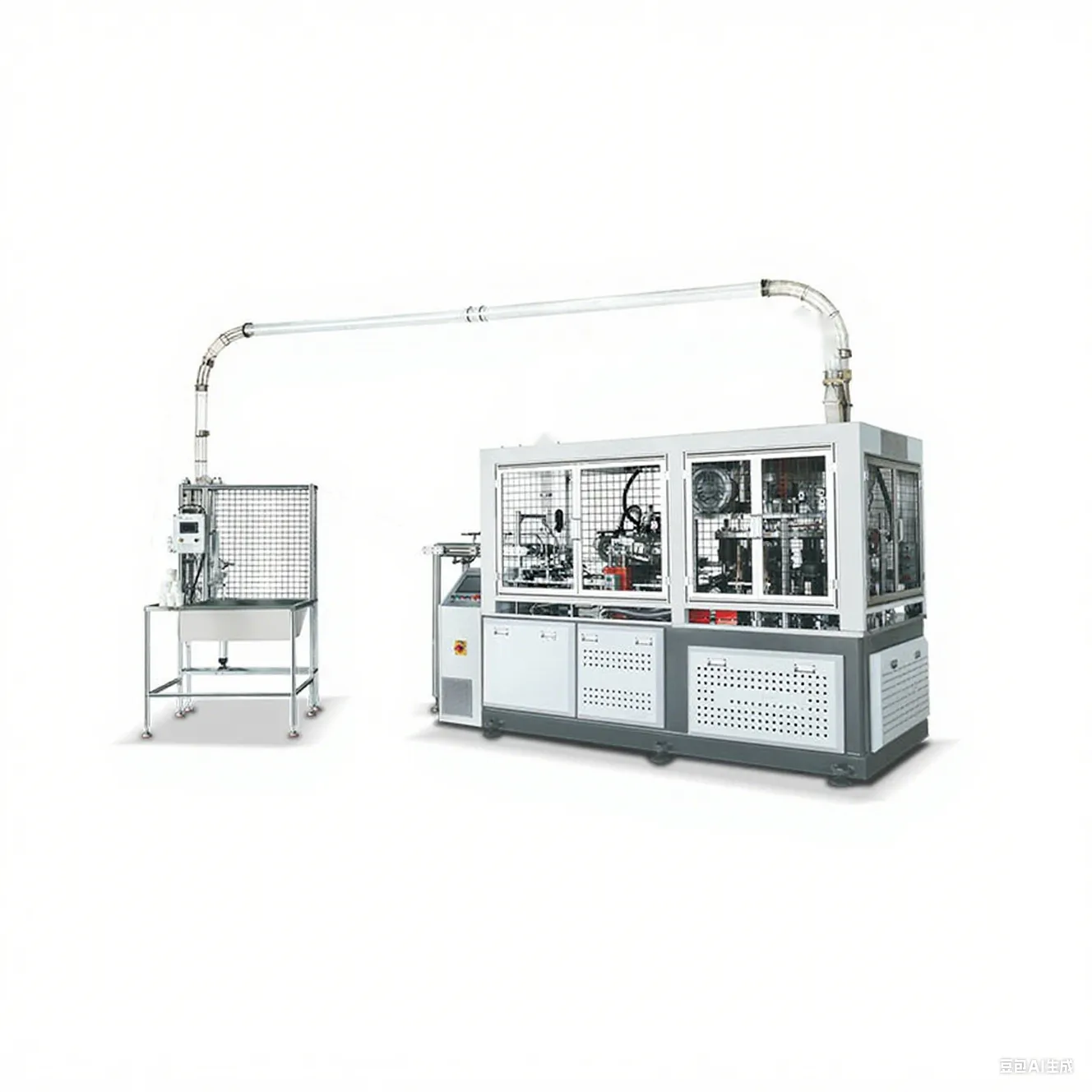
Thermoforming machine problems represent one of the most significant operational challenges facing plastic manufacturers today. When thermoforming machine problems occur on your production floor, they can disrupt schedules, waste material, and compromise product quality. Understanding the root causes of thermoforming machine problems enables operators and maintenance teams to respond quickly and prevent costly downtime. This comprehensive guide explores the most common thermoforming machine problems, their underlying causes, and proven solutions that keep your equipment running efficiently.
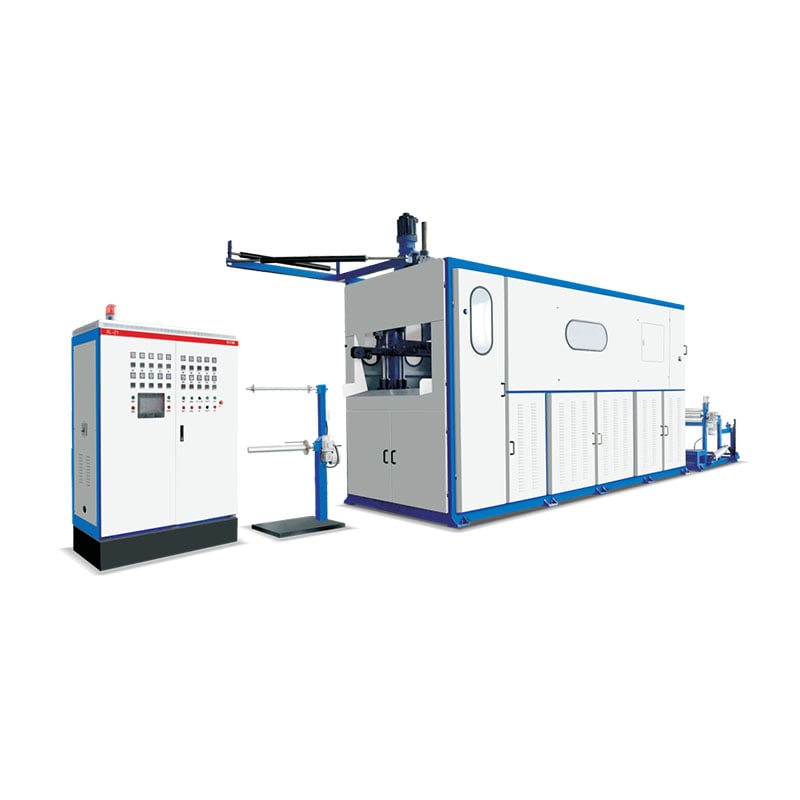
Manufacturing operations depend on reliable thermoforming equipment to produce consistent, high-quality plastic components. When thermoforming machine problems emerge, they often cascade through production schedules and impact profitability. Recognizing patterns in thermoforming machine problems helps maintenance teams develop preventive strategies and reduce emergency repairs. The solutions discussed in this article draw from real-world production environments where addressing thermoforming machine problems has demonstrated measurable improvements in output and quality.
Heating and Temperature Control Issues
Uneven Heat Distribution in Thermoforming Machine Problems
Uneven heating ranks among the most prevalent thermoforming machine problems affecting plastic sheet processing. When heating elements fail to distribute temperature uniformly across the sheet, resulting products show inconsistent thickness, poor dimensional accuracy, and premature failure in the field. Thermoforming machine problems related to heating typically stem from deteriorated heating coils, misaligned heating elements, or blocked airflow paths within the heating chamber. Identifying whether thermoforming machine problems originate from heating requires checking surface temperature uniformity using infrared thermography or thermal imaging cameras.
The solution to this category of thermoforming machine problems involves systematic inspection and maintenance of all heating elements. Replace worn heating coils before they cause cascading failures throughout the system. Thermoforming machine problems caused by airflow obstruction often resolve by cleaning ducting and ensuring heating chamber vents remain clear of debris and plastic residue. Calibrating temperature sensors prevents thermoforming machine problems where the control system receives false readings and overcompensates with excessive or insufficient heating cycles.
Temperature Fluctuation in Thermoforming Machine Problems
Temperature fluctuations represent a distinct category of thermoforming machine problems that compromise product consistency and material yield. When heating cycles cannot maintain stable setpoints, thermoforming machine problems manifest as sheet warping, incomplete forming, and material brittleness. These thermoforming machine problems often indicate malfunctioning control circuits, faulty temperature sensors, or hydraulic pressure instability in heating system circuits. Diagnosing thermoforming machine problems in temperature stability requires comparing actual temperature readings against setpoint values across multiple heating zones.
Resolving thermoforming machine problems involving temperature fluctuation requires checking the integrity of all thermocouple connections and replacement of damaged sensors. Upgrade outdated analog control systems to modern digital controllers that provide superior stability and faster response times, directly addressing thermoforming machine problems at their source. Thermoforming machine problems related to hydraulic pressure variations can be solved by servicing hydraulic pumps, replacing worn seals, and ensuring fluid levels remain within specifications. Implementing automated logging systems helps identify patterns in thermoforming machine problems before they escalate into production losses.
Forming and Pressure Defects
Poor Part Quality from Thermoforming Machine Problems
Thermoforming machine problems causing poor part quality include incomplete forming, surface defects, dimensional inaccuracies, and weak structural integrity. These thermoforming machine problems typically result from inadequate vacuum pressure, mold surface degradation, or improper material conditioning before forming. When thermoforming machine problems produce parts with thin walls or stress concentrations, field failures increase and customer satisfaction declines. Monitoring vacuum system performance provides early warning of thermoforming machine problems before they significantly impact yield rates.
Addressing thermoforming machine problems in forming quality requires verifying vacuum pump capacity and checking for air leaks throughout the vacuum system. Thermoforming machine problems caused by vacuum loss often originate in degraded seals, loose hose connections, or clogged intake filters. Replace or refurbish mold surfaces showing wear patterns that create thermoforming machine problems with repeated plastic contact. These thermoforming machine problems resolve by implementing scheduled mold maintenance intervals and inspecting molds for erosion, cracks, or buildup before production runs commence.
Pressure Control Failures
Pressure control system failures represent critical thermoforming machine problems that prevent proper forming action and material consolidation. Thermoforming machine problems in pressure regulation stem from worn pump components, malfunctioning pressure relief valves, or fouled hydraulic fluid. These thermoforming machine problems directly compromise the machine's ability to hold plastic against mold geometry with sufficient force for proper bonding and detail replication. Technicians diagnosing thermoforming machine problems in pressure systems should measure actual pressure during forming cycles and compare against manufacturer specifications.
Solving thermoforming machine problems related to pressure control involves flushing hydraulic systems to remove contamination and replacing filters more frequently. Thermoforming machine problems caused by worn pumps require complete unit replacement or professional refurbishment. Calibrating pressure sensors and inspecting relief valve settings prevents thermoforming machine problems from continuing after component replacement. Regular preventive maintenance addressing thermoforming machine problems keeps pressure systems within tolerances and maintains consistent forming performance throughout the production day.
Mechanical Wear and Material Transport Issues
Sheet Feed and Advance Problems
Material feed system failures constitute serious thermoforming machine problems that halt production entirely. Thermoforming machine problems in sheet advancement occur when feed rollers slip, wear tracks become misaligned, or indexing mechanisms fail to position material accurately. These thermoforming machine problems prevent the machine from processing the next sheet cycle, creating costly idle time and production bottlenecks. Identifying thermoforming machine problems in feed systems requires observing whether sheets advance smoothly without skewing or stalling during automatic cycles.
Correcting thermoforming machine problems in material transport starts with inspecting feed roller surfaces for glazing, flattening, or uneven wear patterns. Thermoforming machine problems from worn rollers resolve by replacing them with properly matched components meeting original equipment specifications. Adjusting roller pressure and alignment corrects thermoforming machine problems where feed force exceeds material tensile strength, causing slippage and wrinkled sheets. Thermoforming machine problems related to indexing errors often indicate servo motor issues or encoder damage requiring professional repair or replacement.
Trimming and Finishing Defects
Thermoforming machine problems in trimming systems produce parts with ragged edges, dimensional inaccuracy, or incomplete removal of webbing material. These thermoforming machine problems stem from dull cutting blades, misaligned cutting dies, or mechanical slippage in trimming head positioning. Parts failing trimming specifications due to thermoforming machine problems require manual rework or scrap, directly reducing profitability and throughput. Inspecting trimmed parts regularly catches thermoforming machine problems before entire batch runs fail to meet quality standards.
Addressing thermoforming machine problems in trimming operations requires sharpening or replacing cutting blades at prescribed intervals based on cumulative cut length. Thermoforming machine problems from misaligned dies resolve by checking die mounting surfaces for wear and ensuring proper bolt torque specifications are maintained. Implementing automatic blade change-out systems reduces thermoforming machine problems from operator oversight and improves consistency. Thermoforming machine problems related to trimming speed synchronization require checking servo drive calibration and ensuring timing signals properly coordinate cutting with part positioning.
FAQ
What causes the most common thermoforming machine problems?
The most prevalent thermoforming machine problems include uneven heating distribution, inadequate vacuum pressure, worn feed rollers, and temperature sensor malfunctions. These thermoforming machine problems typically develop gradually through normal equipment wear and become critical when preventive maintenance schedules slip. Addressing thermoforming machine problems early through systematic inspection prevents cascading failures that disrupt entire production lines.
How can operators quickly diagnose thermoforming machine problems?
Operators diagnosing thermoforming machine problems should start by observing part quality, monitoring vacuum gauges, and checking temperature displays against setpoint values. Thermoforming machine problems often produce visual indicators such as thin walls, surface defects, or inconsistent part dimensions that suggest specific system failures. Creating detailed logs of when thermoforming machine problems occur helps maintenance teams identify root causes and develop targeted solutions.
Which preventive maintenance practices reduce thermoforming machine problems?
Regular preventive maintenance directly reduces thermoforming machine problems by addressing component wear before failures occur. Changing hydraulic filters, inspecting and cleaning heating elements, replacing worn feed rollers, and calibrating sensors prevent most thermoforming machine problems from developing. Scheduling maintenance during planned downtime windows minimizes production disruption while keeping thermoforming machine problems at bay. Implementing condition-monitoring systems helps predict thermoforming machine problems and optimize maintenance timing.