 EN
EN

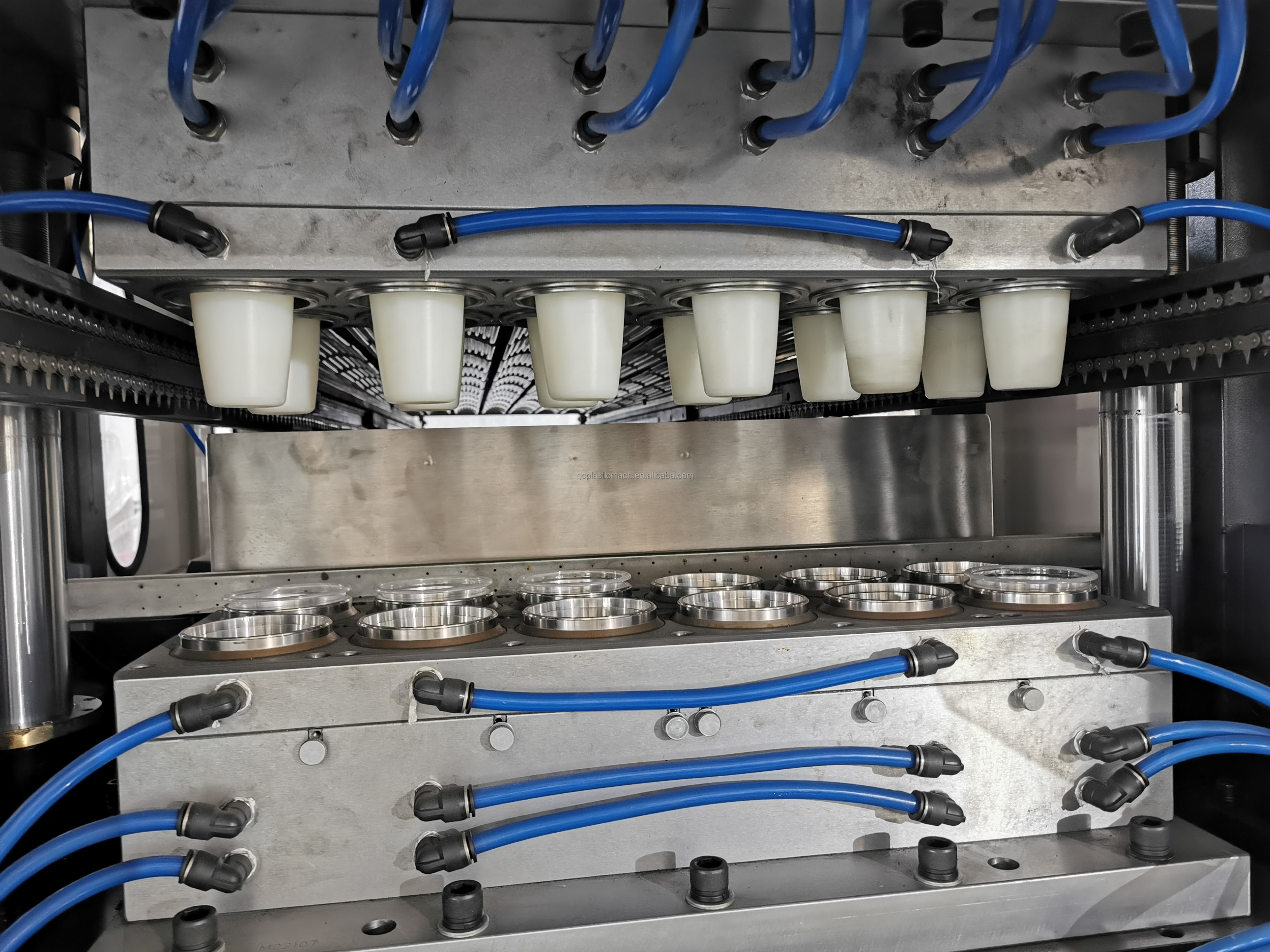
Thermoforming machines have become essential equipment in modern food packaging operations, combining precision engineering with stringent safety standards to meet industry demands. These machines transform flat plastic sheets into custom-formed containers through controlled heating and pressure, enabling manufacturers to produce packaging that protects food quality while maintaining operational efficiency. Understanding the dual importance of safety and efficiency in thermoforming machines is crucial for any food packaging facility seeking competitive advantage and regulatory compliance.
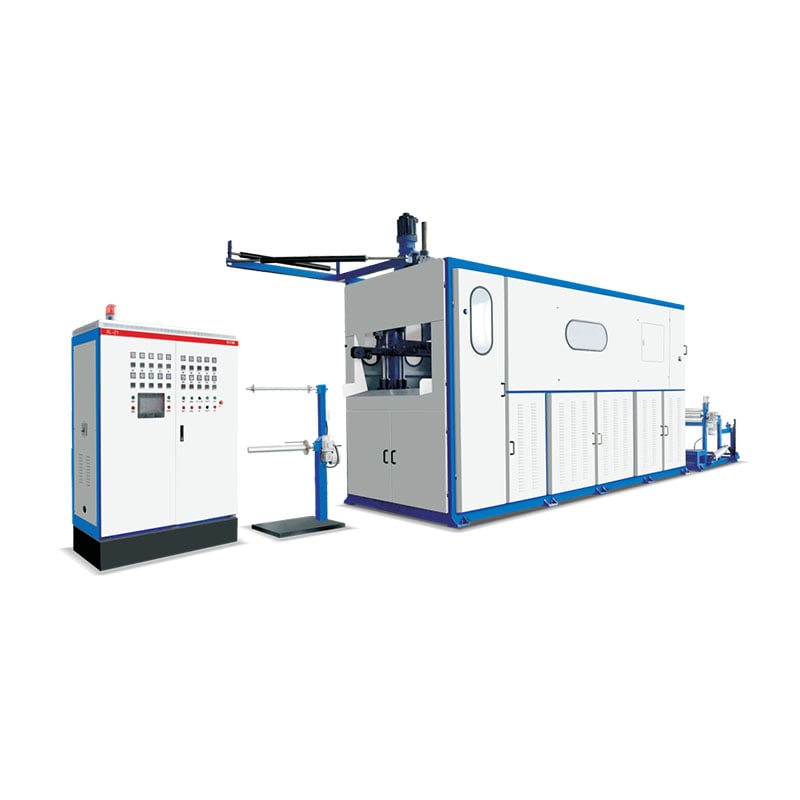
The integration of advanced safety features into thermoforming machines directly impacts product quality, worker protection, and regulatory adherence. Modern thermoforming machines employ multiple redundant safety systems, including emergency stops, temperature monitoring, and pressure controls that ensure consistent output while minimizing operational risks. Manufacturers investing in high-quality thermoforming machines benefit from reduced downtime, improved container consistency, and enhanced compliance with food safety regulations across regional and international standards.
Safety Standards and Compliance in Thermoforming Machines
Regulatory Requirements for Food Packaging Equipment
Thermoforming machines used in food packaging must comply with rigorous international standards including FDA regulations, EU directive compliance, and ISO food safety certifications. These regulatory frameworks establish mandatory safety protocols for material contact surfaces, temperature stability, and contamination prevention. Your facility's thermoforming machines must demonstrate compliance through documented testing, material certifications, and design validation that proves the equipment will not introduce harmful substances into food products.
The certification process for thermoforming machines involves independent verification of all food-contact surfaces, sealing mechanisms, and temperature control systems. Operators must maintain comprehensive documentation showing that their thermoforming machines meet applicable standards before production begins. This compliance verification becomes particularly critical when thermoforming machines process packaging for sensitive food categories like beverages, dairy products, or prepared meals where contamination risks demand the highest operational standards.
Integrated Safety Features in Modern Thermoforming Machines
Contemporary thermoforming machines incorporate layered safety architecture that protects both workers and product integrity throughout the packaging process. Advanced thermoforming machines feature automatic shutdown systems when temperature parameters exceed safe thresholds, preventing material degradation and potential contamination. Pressure relief valves integrated into thermoforming machines prevent excessive force that could compromise container structural integrity or cause equipment failure.
Safety interlocks on modern thermoforming machines prevent access to heated zones during operation while enabling rapid emergency shutdown if abnormal conditions arise. Thermal monitoring systems continuously assess thermoforming machines performance, alerting operators to deviations before they impact product quality. These redundant safety mechanisms transform thermoforming machines into reliable partners in maintaining food safety standards throughout daily production cycles.
Operational Efficiency in Thermoforming Machines Performance
Maximizing Production Output with Thermoforming Machines
Efficiency gains from optimized thermoforming machines directly improve profitability by reducing per-unit production costs while maintaining consistent quality standards. High-performance thermoforming machines minimize scrap rates through precise temperature control and material flow management, enabling manufacturers to achieve yields exceeding 95 percent. Cycle time optimization in thermoforming machines depends on understanding material properties, mold design coordination, and heating element calibration that work together to accelerate packaging production without compromising structural integrity.
Energy consumption represents a significant operational cost factor where efficient thermoforming machines deliver substantial advantages over outdated equipment. Modern thermoforming machines employ variable heating zones that activate only when necessary, reducing electrical demand by 20 to 40 percent compared to conventional systems. Smart thermoforming machines featuring real-time consumption monitoring enable operators to identify efficiency opportunities and adjust parameters for optimal resource utilization across production schedules.
Maintenance and Reliability of Thermoforming Machines
Preventive maintenance programs for thermoforming machines extend equipment lifespan while ensuring consistent safety and performance standards. Regular calibration of heating elements and pressure systems keeps thermoforming machines operating within design specifications, preventing gradual performance degradation. Scheduled maintenance for thermoforming machines catches developing issues before they cause production interruptions or safety compromises, making maintenance investment essential for operational continuity.
Advanced monitoring systems integrated into thermoforming machines track performance metrics and predict component failure patterns, enabling planned maintenance rather than emergency repairs. Documentation practices for thermoforming machines maintenance create valuable historical data that supports troubleshooting decisions and helps establish optimal maintenance intervals. Facilities managing multiple thermoforming machines benefit from centralized maintenance scheduling that balances equipment availability with necessary service requirements.
Technology Integration and Future Development of Thermoforming Machines
Smart Controls and Automation in Thermoforming Machines
Digital integration transforms thermoforming machines into intelligent production systems that respond to real-time conditions and production requirements. IoT-enabled thermoforming machines collect performance data continuously, identifying optimization opportunities and predicting maintenance needs before failures occur. Automated parameter adjustment in advanced thermoforming machines responds to material variations and environmental conditions, maintaining consistency across production runs without manual intervention.
Industry 4.0 principles applied to thermoforming machines enable seamless integration with facility-wide manufacturing systems, creating coordinated production workflows. Connectivity features in thermoforming machines allow remote monitoring and diagnostics, reducing troubleshooting time and supporting rapid decision-making. These technological advances position modern thermoforming machines as central components in data-driven manufacturing operations that prioritize both safety and efficiency metrics.
Sustainability Considerations for Thermoforming Machines
Environmental responsibility influences thermoforming machines design and operation, with modern equipment supporting recyclable material processing and waste reduction initiatives. Energy-efficient thermoforming machines reduce operational carbon footprints while maintaining productivity standards, aligning manufacturing practices with sustainability goals. Material compatibility advances enable thermoforming machines to process recycled plastics effectively, supporting circular economy principles while maintaining food safety compliance requirements.
Future thermoforming machines development focuses on sustainable material innovations and zero-waste production methodologies that reduce environmental impact. Regulatory trends encourage facilities to adopt next-generation thermoforming machines that demonstrate measurable sustainability improvements. Early adoption of environmentally responsible thermoforming machines positions manufacturers as sustainability leaders while capturing competitive advantages in markets demanding transparent environmental practices.
FAQ
What safety certifications must thermoforming machines have for food packaging applications?
Thermoforming machines for food packaging require FDA approval for material safety, ISO 9001 quality management certification, and compliance with specific food contact substance regulations established by regional authorities. Most thermoforming machines also need validation that all contact surfaces meet material migration limits defined in EU Regulation 10/2011 or equivalent standards. Documentation of these certifications should accompany every thermoforming machines purchase, providing proof of compliance before production begins.
How do thermoforming machines reduce production costs while maintaining quality standards?
Thermoforming machines minimize waste through precise material control and optimization algorithms that reduce scrap rates to below five percent in professional operations. Energy-efficient heating systems in thermoforming machines significantly lower operational costs compared to older equipment consuming 40 to 50 percent more electricity. Additionally, thermoforming machines featuring automated parameter adjustment reduce labor requirements while delivering consistent product quality, directly improving cost-per-unit economics.
Can thermoforming machines process recycled plastic materials for food packaging?
Modern thermoforming machines can process food-grade recycled materials when configured with appropriate material handling systems and process controls. However, thermoforming machines operators must verify material certification and conduct compatibility testing before commercial production. thermoforming machines with advanced filtration and monitoring systems provide enhanced quality assurance when processing recycled inputs, ensuring final packaging meets all food safety requirements.