 EN
EN

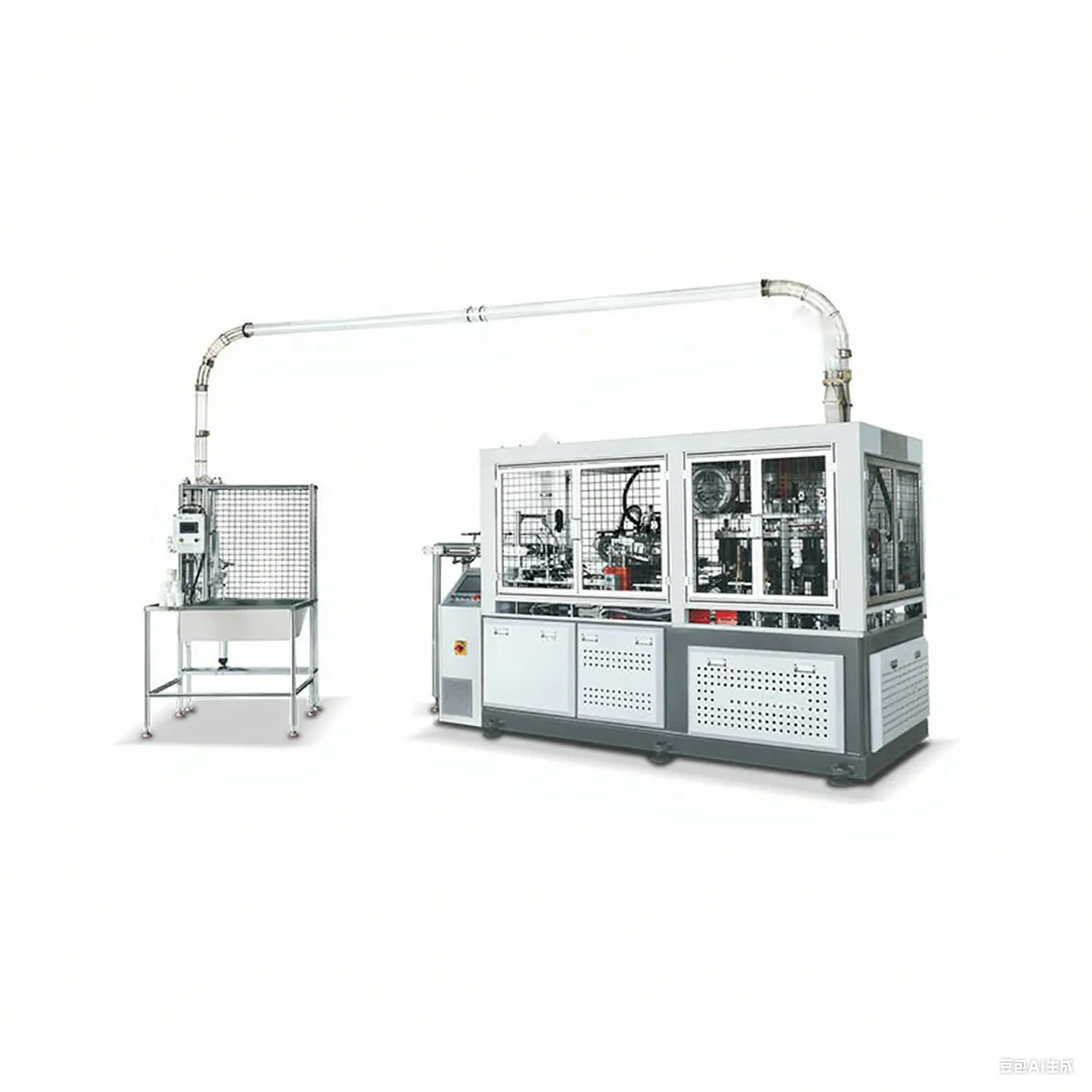
The global shift toward sustainability has transformed how businesses approach packaging, making eco-friendly solutions not just an option but a competitive necessity. Industries across food, pharmaceuticals, electronics, and consumer goods are now seeking packaging technologies that minimize environmental impact while maintaining efficiency and cost-effectiveness. Automatic packing machines have emerged as pivotal enablers of this transformation, allowing manufacturers to adopt recyclable materials, reduce waste, and optimize energy consumption without compromising production speed or product protection. The integration of advanced automation with sustainable packaging materials represents a strategic convergence that addresses both regulatory pressures and consumer expectations for environmental responsibility.
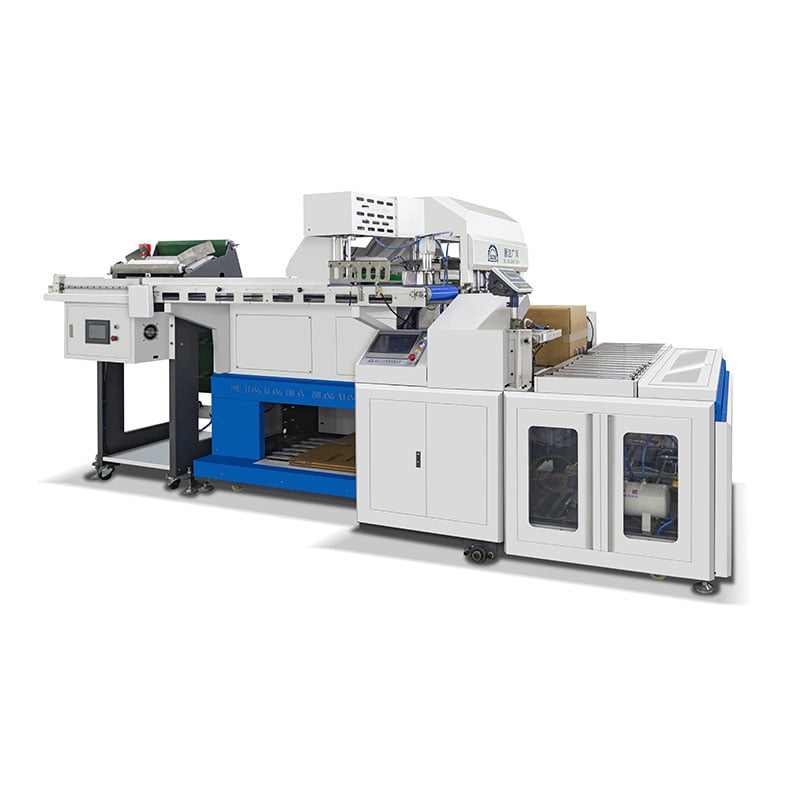
Modern automatic packing systems, particularly those incorporating thermoforming capabilities, have evolved to accommodate biodegradable polymers, plant-based plastics, and recyclable materials that were previously challenging to process at industrial speeds. The automatic plastic thermoforming machine stands at the forefront of this evolution, offering precise control over material thickness, forming temperatures, and cooling cycles that are essential when working with eco-sensitive materials. These machines enable manufacturers to reduce material usage through optimized design, eliminate secondary packaging layers, and implement closed-loop recycling systems within their production facilities. Understanding how automatic packing technology intersects with environmental goals requires examining the material science, process engineering, and operational practices that make sustainable packaging both technically feasible and economically viable in high-volume manufacturing environments.
Material Compatibility and Sustainable Polymer Processing
Biodegradable Polymer Integration
The transition to biodegradable polymers in automated packaging systems demands careful consideration of material properties and machine capabilities. Polylactic acid, polyhydroxyalkanoates, and starch-based composites present distinct processing characteristics compared to conventional petroleum-based plastics. An automatic plastic thermoforming machine configured for sustainable materials must accommodate narrower processing temperature windows, altered viscosity profiles, and different crystallization behaviors. The heating zones require precise temperature control systems that prevent thermal degradation of bio-based polymers, which often have lower thermal stability margins than traditional plastics. Advanced machines incorporate infrared heating arrays with zone-specific control, allowing operators to create optimal thermal gradients that soften biodegradable materials without compromising their structural integrity or accelerating decomposition.
Processing parameters for biodegradable polymers typically require slower heating cycles and modified cooling protocols to achieve proper molecular orientation and dimensional stability. The forming stations on modern automatic plastic thermoforming machines can be programmed with material-specific pressure curves and dwell times that accommodate the rheological differences of eco-friendly polymers. These adjustments ensure consistent wall thickness distribution and corner detail reproduction even when working with materials that exhibit non-Newtonian flow behaviors. Manufacturers implementing biodegradable packaging must also consider the moisture sensitivity of many bio-based polymers, necessitating integrated drying systems or climate-controlled material handling that prevents hydrolytic degradation before forming. The investment in compatible automatic packing machinery becomes economically justified when calculated against reduced material costs, regulatory compliance benefits, and enhanced brand positioning in environmentally conscious markets.
Recycled Content Processing Challenges
Incorporating post-consumer recycled content into packaging production introduces variability in material composition, contamination levels, and mechanical properties that automatic systems must accommodate. The automatic plastic thermoforming machine designed for recycled content processing requires enhanced filtration systems, adaptive heating controls, and real-time quality monitoring to maintain consistent output despite feedstock inconsistency. Recycled polymers often contain residual additives, degraded polymer chains, and micro-contamination that affect melt flow index and forming behavior. Advanced automatic packing machines address these challenges through inline melt filtration, optical inspection systems, and predictive control algorithms that adjust forming parameters based on continuous material property feedback. This technological sophistication enables manufacturers to utilize higher percentages of recycled content without sacrificing package integrity or production efficiency.
The economic and environmental benefits of recycled content integration depend heavily on the automatic plastic thermoforming machine's ability to process materials with varying degrees of purity and consistency. Screen changers and continuous filtration systems remove particulate contamination that could cause surface defects or structural weak points in formed packages. Temperature profiling becomes more critical when processing recycled materials, as degraded polymer fractions may have significantly different melting points than virgin resin components. Sophisticated control systems monitor melt temperature, pressure, and viscosity in real time, making millisecond adjustments to heating elements and forming pressures that compensate for batch-to-batch variation. This adaptive capability transforms recycled content from a quality liability into a viable feedstock option, supporting circular economy initiatives while maintaining the production rates and dimensional tolerances required in competitive packaging markets.
Energy Efficiency and Carbon Footprint Reduction
Advanced Heating Technologies
Traditional contact heating methods in thermoforming consume significant energy while limiting cycle speed and temperature uniformity. Modern automatic plastic thermoforming machines incorporate infrared ceramic heaters, quartz heating elements, and targeted radiant heating zones that deliver energy directly to the polymer sheet rather than heating surrounding air and metal surfaces. These technologies reduce overall energy consumption by twenty to forty percent compared to conventional systems while enabling faster heating cycles and more precise temperature distribution. The improved thermal efficiency translates directly into lower operating costs and reduced carbon emissions per package produced, aligning operational economics with environmental objectives. Zoned heating control allows operators to apply heat only where needed in the forming area, eliminating energy waste in non-critical zones and enabling different temperature profiles for complex package geometries.
Recuperative heat management systems represent another advancement in energy-efficient automatic packing machinery, capturing waste heat from cooling cycles and redirecting it to preheating incoming material or maintaining process temperatures in auxiliary systems. The automatic plastic thermoforming machine equipped with heat recovery can reduce total facility energy demand by capturing thermal energy that would otherwise be exhausted to the atmosphere. These systems become particularly valuable in high-volume operations where continuous production generates substantial waste heat streams. The integration of variable frequency drives on motors, servo-controlled actuators, and optimized pneumatic systems further reduces electrical consumption across forming, cutting, and stacking operations. When combined with renewable energy sources and off-peak production scheduling, these efficiency improvements can dramatically lower the carbon footprint associated with packaging production while improving overall equipment effectiveness metrics.
Production Speed and Throughput Optimization
Maximizing production efficiency in automatic packing systems directly contributes to sustainability by reducing per-unit energy consumption, minimizing changeover waste, and improving material yield. High-speed automatic plastic thermoforming machines achieve cycle rates exceeding forty strokes per minute for simple geometries, allowing manufacturers to produce more packages with proportionally less energy input per unit. The relationship between cycle speed and sustainability extends beyond direct energy savings to include reduced facility space requirements, lower heating and cooling loads for production areas, and decreased labor hours per thousand packages produced. Advanced servo-drive systems enable precise motion control that eliminates the overshoot and settling time characteristic of pneumatic systems, shaving seconds from each cycle while reducing compressed air consumption.
Automated changeover systems and quick-mold technology on modern automatic plastic thermoforming machines reduce the material waste and energy consumption associated with production transitions between different package designs. Traditional manual changeovers might waste an hour of production time and hundreds of pounds of material during setup and adjustment, whereas automated systems complete tool changes and parameter adjustments in minutes with minimal scrap generation. This capability supports smaller batch sizes and greater product variety without the sustainability penalty of excessive changeover waste. Intelligent production scheduling software can sequence jobs to minimize material changes and optimize thermal cycling, ensuring that the automatic packing machinery operates in its most efficient state throughout extended production runs. These operational strategies complement the inherent efficiency of modern equipment design, creating a comprehensive approach to sustainable packaging production.
Material Reduction Through Design Optimization
Lightweighting Without Performance Compromise
The most sustainable packaging is that which uses the minimum material necessary to fulfill protective and functional requirements. Advanced automatic plastic thermoforming machine technology enables precise wall thickness control and optimized material distribution that reduces package weight while maintaining structural integrity and barrier properties. Computer-aided design tools integrated with forming simulation software allow engineers to identify stress concentration points, optimize rib placement, and determine minimum gauge requirements before committing to production tooling. The automatic plastic thermoforming machine executes these optimized designs with repeatability that ensures every package meets minimum performance thresholds without the safety margins that add unnecessary material mass. Typical lightweighting initiatives reduce material consumption by fifteen to thirty percent compared to conventional package designs, delivering proportional reductions in raw material costs, transportation weight, and end-of-life disposal volume.
Differential wall thickness control represents an advanced capability in modern automatic packing machinery, allowing thicker material placement only in high-stress areas while thinning non-critical sections. This approach mimics natural structural optimization seen in biological systems, where material is concentrated where loads are highest and minimized where strength demands are lower. The forming process on sophisticated automatic plastic thermoforming machines can be programmed to create these thickness variations through controlled plug assist depth, differential heating patterns, and multi-stage forming sequences. The result is packaging that uses substantially less material while meeting or exceeding the performance of heavier conventional designs. These material savings compound across product lifecycles, reducing extraction of virgin resources, lowering transportation emissions, and decreasing landfill burden when packages reach end of life.
Elimination of Secondary Packaging
Integrated design approaches enabled by automatic plastic thermoforming machines can eliminate the need for secondary packaging layers such as outer cartons, protective sleeves, or additional cushioning materials. By incorporating structural features like reinforced corners, integrated handles, stacking ribs, and closure mechanisms directly into the primary thermoformed package, manufacturers reduce total packaging material by fifty percent or more in many applications. The automatic packing machinery can form complex geometries with undercuts, living hinges, and snap-fit features that would require multiple components or assembly steps in other packaging technologies. This consolidation reduces not only material consumption but also the labor, equipment, and facility space associated with secondary packaging operations.
The economic advantages of secondary packaging elimination extend throughout the supply chain, as simplified packaging reduces handling steps, decreases shipping cube, and accelerates retail shelf stocking procedures. Modern automatic plastic thermoforming machines achieve the dimensional precision necessary for tight-tolerance interlocking features and consistent closure performance that retailers and consumers expect. The forming tools can incorporate texture patterns, grip enhancements, and ergonomic features that improve user experience while maintaining the sustainability benefits of single-layer packaging. When combined with biodegradable or recycled content materials, this approach represents a comprehensive sustainability strategy that addresses material sourcing, production efficiency, and end-of-life disposal in a unified package design. The initial investment in capable automatic packing machinery delivers ongoing returns through reduced material costs and enhanced market positioning with environmentally conscious customers.
Waste Reduction and Closed-Loop Manufacturing
Inline Scrap Reclamation Systems
Material waste generated during thermoforming processes represents both an economic loss and environmental burden that advanced automatic plastic thermoforming machines address through integrated reclamation systems. The skeletal waste remaining after package cutout, edge trim from sheet forming, and startup scrap can account for thirty to fifty percent of total material input in some applications. Modern automatic packing machinery incorporates inline granulation systems that immediately process this waste material into reusable feedstock, creating a closed-loop production environment that dramatically reduces virgin material consumption. The granulated scrap can be blended back into the material stream at controlled percentages, maintaining package quality while recovering material value that would otherwise be discarded. This approach transforms what was historically a disposal cost into a material credit that improves both economic and environmental performance.
The quality of reclaimed material depends heavily on minimizing contamination and thermal degradation during the reclamation process. Sophisticated automatic plastic thermoforming machines employ clean separation systems that isolate skeletal waste from product packages before any contamination from inks, adhesives, or product contact can occur. The inline granulators operate at controlled temperatures and speeds that reduce frictional heating and preserve polymer molecular weight during size reduction. Dedicated blending systems then reintroduce this reclaimed material at optimal percentages, typically ranging from fifteen to forty percent depending on package performance requirements and material type. The automatic control systems monitor blend ratios continuously, ensuring consistent material properties fed to the forming stations. This level of process integration was impractical with older equipment designs but has become standard in modern automatic packing machinery specifically engineered for sustainable manufacturing practices.
Quality Control and Yield Optimization
Reducing scrap generation through improved quality control delivers sustainability benefits equivalent to material reclamation while avoiding the energy cost and property degradation associated with reprocessing. Advanced automatic plastic thermoforming machines incorporate vision inspection systems, dimensional measurement tools, and defect detection algorithms that identify quality deviations in real time, enabling immediate process corrections before significant scrap accumulation occurs. These systems monitor forming temperature, pressure profiles, material tension, and cooling rates, comparing actual conditions against optimal parameters established during process development. When deviations exceed acceptable tolerances, the control system automatically adjusts heating elements, forming pressures, or cycle timing to restore process stability. This closed-loop quality management minimizes the production of defective packages that would require disposal and replacement, improving material yield while reducing energy consumption per acceptable package produced.
Statistical process control integrated into automatic plastic thermoforming machines enables predictive maintenance and process optimization that further enhances yield and reduces waste. By analyzing trends in temperature sensor data, actuator performance, and quality metrics, the control system can identify developing issues before they cause production defects. Operators receive alerts recommending specific maintenance actions or parameter adjustments that prevent quality drift and unplanned downtime. This proactive approach maintains the automatic packing machinery in optimal operating condition, ensuring consistent package quality and maximum material utilization throughout extended production campaigns. The data collected also supports continuous improvement initiatives, revealing opportunities to refine forming parameters, adjust material specifications, or modify package designs in ways that enhance both sustainability and economic performance. The cumulative effect of these quality-focused strategies can improve overall material yield by five to fifteen percent, representing substantial environmental and cost benefits in high-volume packaging operations.
Regulatory Compliance and Market Positioning
Extended Producer Responsibility Adaptation
Regulatory frameworks increasingly hold manufacturers responsible for the end-of-life management of packaging materials, creating financial incentives for recyclable and compostable packaging solutions. The automatic plastic thermoforming machine's ability to process approved recyclable polymers and integrate recycled content positions manufacturers to meet extended producer responsibility requirements while controlling compliance costs. Packaging designed for specific recycling streams, such as PET or HDPE compatible with existing municipal collection systems, gains preferential treatment under many regulatory schemes and may qualify for reduced fees or compliance credits. The precision material control and consistent package design enabled by automatic packing machinery ensures that packages meet recycling system requirements for contamination levels, material purity, and dimensional consistency.
Emerging regulations in multiple jurisdictions mandate minimum recycled content percentages, banned materials lists, and design-for-recycling standards that directly influence automatic plastic thermoforming machine selection and configuration. Equipment capable of processing recycled content at high percentages, accommodating alternative sustainable materials, and producing packages that disassemble easily for material recovery provides future-proof capability as regulations become more stringent. The documentation and traceability features in modern automatic packing systems support compliance reporting by tracking material lot numbers, recycled content percentages, and production volumes for each package design. This data infrastructure becomes essential as regulatory agencies demand detailed sustainability reporting and verification of environmental claims. Manufacturers who invest in capable automatic plastic thermoforming machines position themselves to adapt quickly to regulatory changes without costly equipment retrofits or production disruptions.
Brand Differentiation and Consumer Preference
Consumer research consistently demonstrates preference for products packaged in environmentally responsible materials, with significant percentages of buyers willing to pay premium prices for sustainable packaging. The automatic plastic thermoforming machine enables manufacturers to deliver on sustainability messaging through tangible material choices, reduced packaging mass, and verified recycled content that resonate with environmentally conscious consumers. Brands can leverage the precision and consistency of automatic packing machinery to create distinctive package designs that communicate environmental values through minimalist aesthetics, natural material appearance, or integrated sustainability messaging. The ability to process transparent bio-based polymers or incorporate visible recycled content flecks provides authentic visual cues that differentiate sustainable packaging from conventional alternatives in competitive retail environments.
The marketing value of sustainable packaging extends beyond consumer preference to include retailer requirements, corporate purchasing policies, and supply chain partnership criteria that increasingly favor environmentally responsible suppliers. Major retailers have established packaging scorecards and sustainability requirements that influence supplier selection and shelf space allocation, making investment in capable automatic plastic thermoforming machines a competitive necessity rather than optional enhancement. The ability to provide detailed lifecycle analysis data, material sourcing documentation, and carbon footprint calculations for packaging becomes a prerequisite for participation in many supply chains. Modern automatic packing machinery's data collection and process monitoring capabilities support these documentation requirements, providing the traceability and verification that corporate sustainability programs demand. This alignment between equipment capability and market requirements creates strategic value that extends far beyond the operational efficiency improvements traditionally associated with automation investments.
FAQ
What types of eco-friendly materials can be processed on automatic plastic thermoforming machines?
Modern automatic plastic thermoforming machines can process a wide range of sustainable materials including polylactic acid derived from corn starch, polyhydroxyalkanoates from bacterial fermentation, recycled polyethylene terephthalate, recycled high-density polyethylene, and various starch-based composites. The key requirement is that machines incorporate precise temperature control systems, adjustable pressure profiles, and material-specific forming parameters that accommodate the different thermal and rheological properties of these eco-friendly polymers compared to conventional plastics. Advanced systems also feature moisture control for hydrophilic bio-based materials and contamination filtration for recycled content processing.
How much energy savings can be achieved with modern automatic packing machinery compared to older systems?
Energy consumption reductions typically range from twenty to forty percent when comparing contemporary automatic plastic thermoforming machines with infrared heating and servo-drive systems against older equipment using contact heating and pneumatic actuation. The specific savings depend on production volume, package complexity, material type, and cycle rates, but the combination of targeted heating, heat recovery systems, efficient drive technologies, and optimized cycle timing consistently delivers substantial reductions in kilowatt-hours per thousand packages produced. These energy savings translate directly to lower carbon emissions and operating costs while improving overall equipment effectiveness through faster cycle times and reduced downtime.
Can automatic thermoforming machines maintain package quality when using recycled content materials?
Yes, properly configured automatic plastic thermoforming machines maintain consistent package quality with recycled content through adaptive process controls, inline filtration systems, and real-time quality monitoring that compensate for the material variability inherent in recycled feedstocks. Advanced equipment incorporates melt filtration to remove contaminants, optical inspection to detect surface defects, and predictive control algorithms that adjust forming parameters based on continuous material property feedback. Most applications successfully incorporate fifteen to forty percent recycled content without compromising structural integrity, barrier properties, or aesthetic requirements, with some systems capable of processing one hundred percent recycled material for non-critical applications where slight appearance variations are acceptable.
What return on investment can manufacturers expect from upgrading to sustainable automatic packing systems?
Return on investment for modern automatic plastic thermoforming machines focused on sustainability typically ranges from eighteen to thirty-six months depending on production volume, material costs, energy rates, and regulatory environment. The financial benefits include reduced material consumption through lightweighting and scrap reclamation, lower energy costs from efficient heating and drive systems, decreased waste disposal expenses, regulatory compliance cost avoidance, and potential premium pricing for sustainably packaged products. Additional value comes from enhanced brand positioning, improved access to environmentally conscious market segments, and future-proofing against increasingly stringent packaging regulations. High-volume operations with significant material costs and strong sustainability market positioning typically achieve faster payback periods than lower-volume applications.
Table of Contents
- Material Compatibility and Sustainable Polymer Processing
- Energy Efficiency and Carbon Footprint Reduction
- Material Reduction Through Design Optimization
- Waste Reduction and Closed-Loop Manufacturing
- Regulatory Compliance and Market Positioning
-
FAQ
- What types of eco-friendly materials can be processed on automatic plastic thermoforming machines?
- How much energy savings can be achieved with modern automatic packing machinery compared to older systems?
- Can automatic thermoforming machines maintain package quality when using recycled content materials?
- What return on investment can manufacturers expect from upgrading to sustainable automatic packing systems?