 EN
EN

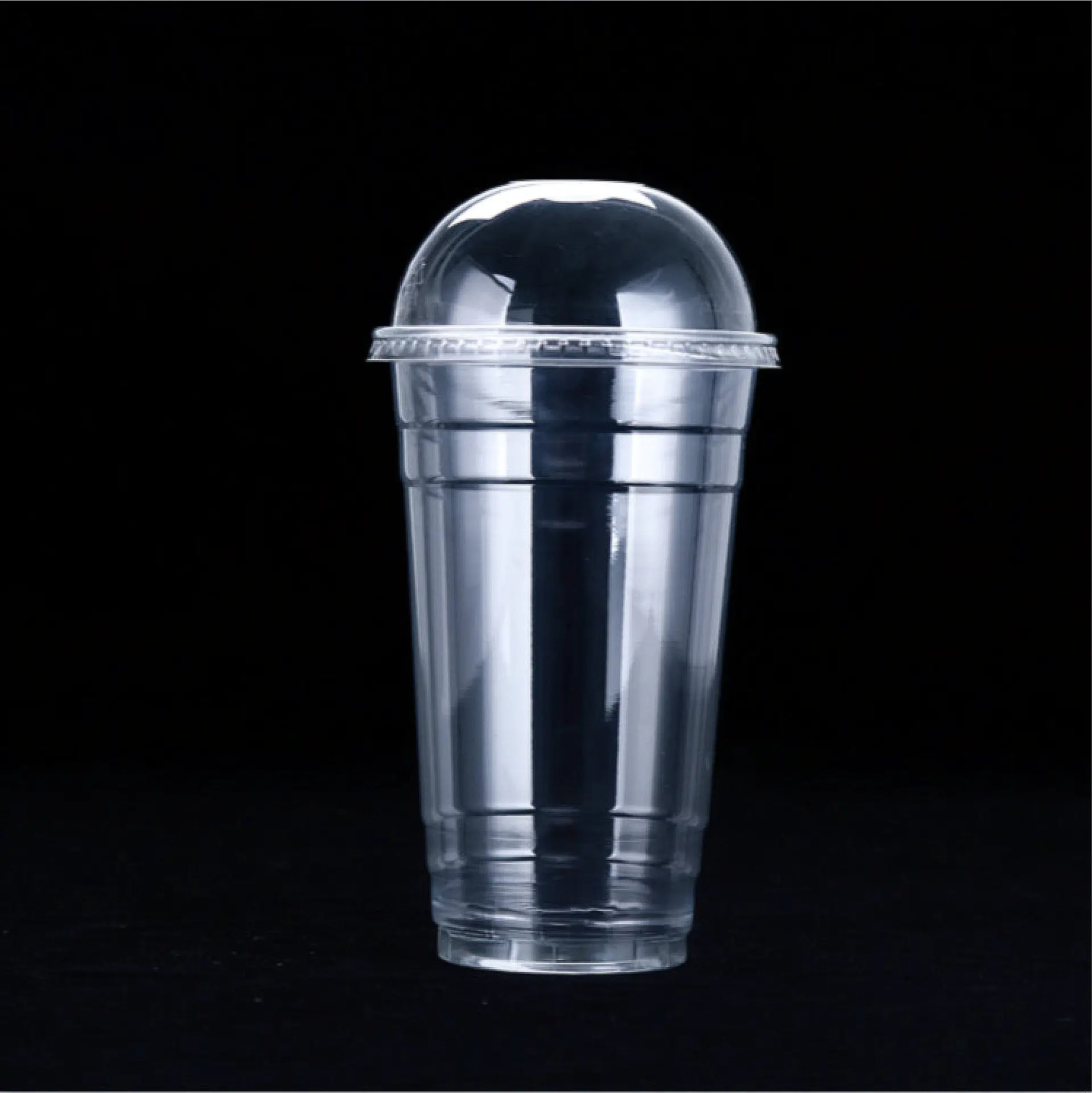
Starting a packaging business in today's competitive industrial landscape requires strategic planning, proper equipment selection, and a clear understanding of market demands. Entrepreneurs entering the packaging sector must recognize that automated solutions have become essential for achieving competitive pricing, consistent quality, and scalable production capacity. The foundation of a successful packaging operation often rests on investing in the right machinery from the outset, particularly equipment that can handle diverse container forming, filling, and sealing operations efficiently. For businesses targeting plastic container production, an automatic plastic container thermoforming machine represents a cornerstone investment that determines production capability, operational flexibility, and long-term profitability in the packaging industry.
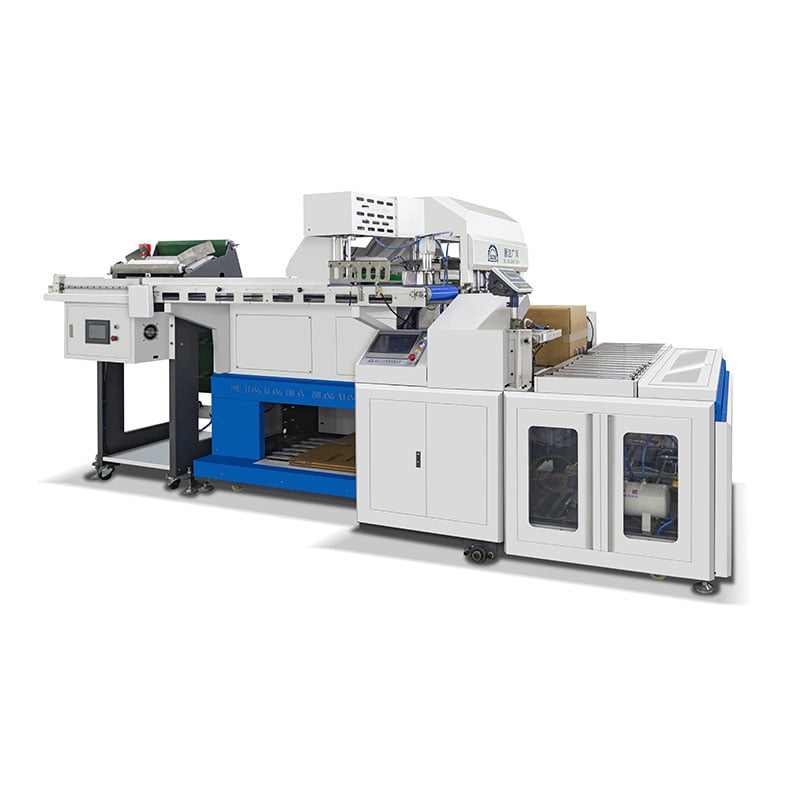
The decision to build a packaging business around automatic packing machines stems from fundamental market realities that favor automation over manual processes. Manual packaging operations face inherent limitations in speed, consistency, and labor cost management that make competing with established automated facilities nearly impossible. Modern retail, food service, pharmaceutical, and consumer goods sectors demand packaging solutions that meet stringent quality standards, maintain high throughput rates, and deliver predictable unit economics. An automatic plastic container thermoforming machine enables new packaging businesses to meet these market requirements from day one, establishing credibility with potential clients who require certified production capabilities and verifiable quality control systems. Understanding how to select, implement, and operate these machines effectively separates successful packaging startups from those that struggle to gain market traction.
Understanding Market Requirements for Automated Packaging Solutions
Identifying Target Industries and Container Applications
Before investing in an automatic plastic container thermoforming machine, aspiring packaging entrepreneurs must conduct thorough market research to identify specific industries and applications that align with their equipment capabilities and business goals. The food packaging sector remains the largest consumer of thermoformed plastic containers, including applications for fresh produce, dairy products, baked goods, prepared meals, and snack foods. Each application category demands specific container characteristics regarding material thickness, barrier properties, dimensional tolerances, and compliance with food safety regulations. Understanding these requirements helps determine the appropriate machine specifications, tooling investments, and material sourcing strategies necessary for serving target market segments effectively.
Beyond food packaging, pharmaceutical and medical device manufacturers require thermoformed containers for sterile product packaging, blister packs, and device trays that meet stringent regulatory standards. The cosmetics and personal care industry utilizes thermoformed containers for creams, lotions, and sample packaging where aesthetic presentation and brand differentiation matter significantly. Industrial and electronics applications need thermoformed trays for component organization, protection during shipping, and assembly line efficiency. Each industry segment presents different volume expectations, quality requirements, certification needs, and pricing structures that influence business planning and equipment selection decisions for packaging startups.
Evaluating Production Volume and Capacity Planning
Realistic production capacity planning forms the foundation of viable business models for packaging companies utilizing automatic plastic container thermoforming machine technology. New business owners must understand that machine specifications indicating cycles per minute or containers per hour represent maximum theoretical output under ideal conditions, while actual production rates depend on material handling efficiency, changeover time between jobs, quality control procedures, and maintenance requirements. Establishing target production volumes requires analyzing potential customer order sizes, industry standard lead times, and the balance between producing inventory for stock versus manufacturing on demand for specific orders.
The scalability potential of automatic packing machines directly impacts long-term business growth strategies. Entry-level thermoforming equipment may produce 20 to 40 cycles per minute suitable for serving regional markets or specialized applications, while high-speed industrial machines can exceed 60 cycles per minute to serve national brands and high-volume contracts. Understanding the relationship between machine capacity, labor requirements, facility space, and operational costs enables accurate financial modeling that accounts for both startup phase limitations and future expansion scenarios. Successful packaging businesses build capacity planning models that balance conservative initial investments with clear pathways for adding equipment, shifts, or facility space as customer demand grows.
Compliance Standards and Certification Requirements
Operating a packaging business requires navigating complex regulatory landscapes that vary by industry, geographic market, and specific product applications. Food contact packaging must comply with FDA regulations in the United States, EU food contact material directives in Europe, and equivalent standards in other markets where products will be distributed. An automatic plastic container thermoforming machine must be capable of processing materials certified for food contact applications while maintaining documentation of material lot traceability, processing conditions, and quality verification procedures. Establishing these compliance systems from business inception prevents costly retrofitting and potential market access barriers later.
Beyond material and equipment compliance, packaging businesses typically need facility certifications such as Good Manufacturing Practice documentation, Hazard Analysis and Critical Control Points protocols for food applications, or ISO quality management system certifications that major customers require from suppliers. These certifications involve specific equipment capabilities including automated quality monitoring, process control documentation, and traceability systems that influence initial equipment selection. Understanding certification pathways and timeline requirements helps packaging entrepreneurs budget appropriately for consultant support, testing procedures, and audit preparation activities that transform basic production capability into market-ready certified operations.
Selecting the Right Automatic Plastic Container Thermoforming Machine
Core Technical Specifications and Performance Parameters
The technical specifications of an automatic plastic container thermoforming machine determine its suitability for specific applications and its ability to meet business production goals. Critical parameters include forming area dimensions that define maximum container size and array configuration, forming depth capability that limits container height, and material thickness range that determines suitable applications. Sheet feeding systems vary between roll-fed continuous operation and cut-sheet batch processing, each offering distinct advantages for different production scenarios. Roll-fed systems typically provide higher throughput and less material waste for standardized production runs, while cut-sheet systems offer greater flexibility for prototype development and short-run specialty applications.
Heating system design significantly impacts energy efficiency, cycle time, and forming quality. Modern machines utilize ceramic heaters, quartz infrared heating, or contact heating plates, with sophisticated temperature zone control enabling precise heat distribution for complex geometries and varying material thickness requirements. The forming station itself may employ vacuum forming, pressure forming, or twin-sheet forming technologies, each suited to different container characteristics and quality requirements. Trim-in-place systems that separate finished containers from skeleton material within the machine reduce labor requirements and improve production efficiency compared to secondary trimming operations. Understanding these technical distinctions enables informed equipment selection that matches specific business application requirements.
Automation Level and Integration Capabilities
The degree of automation integrated into an automatic plastic container thermoforming machine directly impacts labor requirements, production consistency, and operational complexity. Fully automated systems incorporate material feeding, heating, forming, trimming, stacking, and scrap removal functions within a continuous process requiring minimal operator intervention for routine production. Semi-automated machines may require manual loading of material sheets, manual removal of formed parts, or separate trimming operations that increase labor costs but reduce initial capital investment. For startup packaging businesses, balancing automation level against available capital and anticipated production volume requires careful analysis of labor costs, production efficiency goals, and growth trajectory planning.
Integration capabilities extend beyond the core forming process to include upstream material handling and downstream finishing or filling operations. Advanced machines feature PLC control systems with networking capabilities enabling integration with enterprise resource planning systems, quality management databases, and production monitoring dashboards. Some operations benefit from inline printing, labeling, or filling systems that combine container production with packaging completion in a continuous workflow. The automatic plastic container thermoforming machine with comprehensive automation features reduces per-unit labor costs while improving quality consistency, but requires higher initial investment and more sophisticated operator training compared to basic mechanized systems.
Tooling Flexibility and Changeover Efficiency
Tooling represents a significant ongoing investment for packaging businesses, with mold costs ranging from a few thousand dollars for simple containers to tens of thousands for complex multi-cavity configurations or specialized geometries. The tooling system design of an automatic plastic container thermoforming machine determines how efficiently operators can switch between different container designs, directly impacting the business's ability to serve multiple customers or product lines. Quick-change tooling systems with standardized mounting interfaces and minimal adjustment requirements enable changeovers in 15 to 30 minutes, while older machines may require several hours for mold changes involving extensive mechanical adjustments and test cycles.
Businesses serving diverse markets benefit from machines accommodating various tooling configurations without extensive modification. Modular mold systems allow adjusting cavity count, container size, or geometry by changing specific mold components rather than replacing entire tool sets. This flexibility reduces tooling investment for businesses developing new products or serving customers with evolving packaging needs. Understanding the total cost of tooling ownership including initial mold purchase, changeover labor, production time lost during setup, and mold maintenance or refurbishment requirements provides accurate financial modeling for packaging business operations beyond just machine acquisition costs.
Establishing Operational Infrastructure for Packaging Production
Facility Requirements and Utility Planning
Operating an automatic plastic container thermoforming machine requires appropriate facility infrastructure beyond just floor space for equipment installation. Electrical service must provide adequate voltage and amperage for heating elements, hydraulic systems, vacuum pumps, and control systems, typically requiring three-phase power with capacity ranging from 30 to 100 kilowatts depending on machine size and configuration. Compressed air systems supply pneumatic cylinders and ejection mechanisms, requiring consistent pressure and volume that may necessitate dedicated compressor installation. Facility planning must account for material storage areas maintaining appropriate temperature and humidity control to prevent plastic sheet distortion, finished goods storage with protection from dust and contamination, and scrap material collection systems for recycling or disposal.
Climate control becomes particularly important for operations requiring food-grade or pharmaceutical-grade packaging production. Temperature and humidity fluctuations affect material forming characteristics, dimensional stability, and susceptibility to contamination that can compromise product quality. Adequate ventilation systems remove fumes generated during thermoforming operations, particularly when processing materials containing additives or when operating at elevated temperatures. Facility layout should optimize material flow from receiving through production to shipping, minimizing handling steps that increase labor costs and contamination risks. Successful packaging businesses design facilities with expansion capability, allowing additional equipment installation, increased material storage, or production line extensions as business growth demands.
Material Sourcing and Supply Chain Management
Establishing reliable material supply chains represents a critical success factor for packaging businesses utilizing automatic plastic container thermoforming machine technology. Thermoforming operations consume significant volumes of plastic sheet material, typically polystyrene, polyethylene terephthalate, polypropylene, or specialized barrier materials depending on application requirements. Material costs constitute 40 to 60 percent of total production costs for most thermoformed containers, making supplier selection, pricing negotiation, and inventory management crucial to business profitability. New packaging businesses must balance the lower per-unit costs available through large volume purchases against the working capital requirements and inventory risk of maintaining substantial material stocks.
Material quality consistency directly impacts production efficiency and finished container quality. Variations in sheet thickness, gauge uniformity, or material composition cause forming defects, dimensional inconsistencies, or increased scrap rates that erode profitability. Establishing quality specifications with suppliers and implementing incoming material inspection procedures prevents production problems caused by substandard materials. For businesses requiring specialized materials such as food-grade FDA-approved resins, barrier materials with specific oxygen or moisture transmission rates, or biodegradable alternatives, identifying qualified suppliers and maintaining appropriate documentation becomes essential for regulatory compliance and customer certification requirements.
Workforce Development and Training Programs
Operating an automatic plastic container thermoforming machine effectively requires skilled personnel capable of machine setup, process optimization, quality control, and preventive maintenance. While automation reduces labor requirements compared to manual operations, the technical complexity of modern thermoforming equipment demands operators with mechanical aptitude, attention to detail, and problem-solving capabilities. Startup packaging businesses must invest in comprehensive training programs covering machine operation procedures, safety protocols, quality standards, and troubleshooting techniques. Equipment manufacturers typically provide initial training during installation, but developing internal training documentation and ongoing skill development programs ensures consistent operational performance as workforce needs expand.
Beyond machine operation, successful packaging businesses develop cross-functional capabilities including maintenance technicians familiar with mechanical, electrical, and hydraulic systems, quality control personnel trained in inspection techniques and statistical process control, and production planning staff capable of scheduling optimization and capacity management. For small startups, initial employees often fill multiple roles, requiring broader skill sets and greater operational flexibility. As businesses grow, specialized positions emerge with dedicated responsibilities for specific functions. Building a culture of continuous improvement where employees identify efficiency opportunities, quality enhancements, and cost reduction initiatives creates competitive advantages that extend beyond just equipment capabilities.
Developing Customer Relationships and Market Entry Strategies
Creating Competitive Service Offerings
New packaging businesses entering markets served by established competitors must differentiate their offerings beyond just price competition. Service capabilities including rapid prototyping, short lead times, flexible minimum order quantities, or specialized technical support create value propositions attractive to specific customer segments. An automatic plastic container thermoforming machine with quick changeover capabilities enables serving customers requiring multiple container designs in smaller quantities compared to large-scale operations focused on high-volume standardized production. Positioning as a responsive partner for growing brands, specialty food producers, or companies launching new products creates market opportunities where incumbent suppliers lack interest or capability.
Technical expertise represents another differentiation opportunity for packaging startups. Offering container design assistance, material selection guidance, or application testing services helps customers optimize packaging performance while building consultative relationships that extend beyond transactional purchasing. Some packaging businesses develop specialized expertise in particular market segments such as sustainable packaging solutions, tamper-evident containers, or multi-compartment designs that address specific customer challenges. Building reputation as an innovation partner rather than just a container supplier creates competitive moats protecting against price-based competition while justifying premium pricing for specialized capabilities.
Pricing Strategy and Cost Management
Developing profitable pricing strategies for thermoformed packaging requires accurate cost accounting that captures all direct material and labor costs plus appropriate allocation of overhead including equipment depreciation, facility expenses, and administrative support. Many packaging startups underprice products initially by failing to account for full production costs including scrap rates, changeover time, quality control, and delivery expenses. Establishing detailed costing models for each container design enables informed pricing decisions that ensure sustainable profitability while remaining competitive within target markets. Understanding industry pricing benchmarks through market research and competitive analysis provides context for positioning products appropriately.
Operating an automatic plastic container thermoforming machine efficiently requires continuous cost optimization through scrap reduction, energy efficiency improvements, and productivity enhancements. Material waste represents significant cost for thermoforming operations, with skeleton material between formed containers typically constituting 20 to 40 percent of total material consumption. Optimizing mold layouts to maximize material utilization, implementing effective scrap recycling programs, or selecting machines with superior material efficiency directly impacts profitability. Labor productivity improvements through training, process refinement, and automation upgrades reduce per-unit conversion costs. Successful packaging businesses establish regular cost review processes identifying improvement opportunities and tracking performance metrics against industry benchmarks.
Building Long-Term Customer Partnerships
Sustainable packaging businesses prioritize customer retention and relationship development over constant new customer acquisition. Once established with a customer, demonstrating reliable quality, consistent delivery performance, and responsive communication builds trust that protects against competitive solicitation. Regular business reviews discussing volume forecasts, upcoming product launches, or packaging optimization opportunities position packaging suppliers as strategic partners rather than interchangeable vendors. For customers experiencing growth, scaling production capacity in parallel maintains supply continuity and strengthens partnership bonds through demonstrated commitment to mutual success.
Quality consistency remains paramount for maintaining customer relationships in packaging markets where product protection, regulatory compliance, and brand presentation depend on container performance. Implementing robust quality management systems including statistical process control, regular dimensional verification, and proactive communication about any process variations builds customer confidence. Some packaging businesses pursue formal certification such as SQF for food packaging or ISO quality standards that provide third-party validation of operational capabilities. The operational discipline required for certification often improves internal processes while creating marketing advantages when targeting quality-conscious customers requiring certified suppliers.
Financial Planning and Business Growth Management
Capital Investment and Financing Options
The capital requirements for starting a packaging business centered on an automatic plastic container thermoforming machine extend well beyond just equipment purchase price. Complete startup budgets must include facility improvements, utility installations, initial tooling inventory, material safety stock, quality testing equipment, and working capital for operations before positive cash flow. Total investment typically ranges from 500,000 to over 2 million dollars depending on equipment sophistication, facility requirements, and market positioning. Understanding complete capital needs prevents undercapitalization that forces compromises on equipment quality, facility suitability, or operational capabilities that undermine business viability.
Financing options for packaging equipment include traditional bank loans, equipment leasing arrangements, SBA loans for qualified small businesses, or private investor capital. Each financing structure presents different implications for cash flow, ownership equity, tax treatment, and financial flexibility. Equipment leasing reduces initial capital requirements and may offer tax advantages but typically costs more over the equipment's useful life compared to outright purchase. For entrepreneurs without substantial personal capital, SBA guaranteed loans provide favorable terms but require extensive documentation and personal guarantees. Understanding financing alternatives and their strategic implications enables structure decisions aligned with overall business goals and risk tolerance.
Monitoring Performance and Scaling Operations
Successful packaging businesses establish key performance indicators tracking operational efficiency, financial performance, and customer satisfaction. Production metrics including overall equipment effectiveness, scrap rates, changeover time, and output per labor hour identify operational improvement opportunities. Financial indicators tracking gross margin by product, customer profitability, working capital efficiency, and return on invested capital guide strategic decisions about market focus and resource allocation. Customer metrics including on-time delivery rate, quality incident frequency, and order fulfillment accuracy reveal service performance and competitive positioning.
Growth management requires balancing capacity expansion timing against demand certainty and capital availability. Adding a second automatic plastic container thermoforming machine doubles potential capacity but requires sufficient customer commitments to justify the investment and overhead increase. Some businesses scale by adding production shifts utilizing existing equipment more intensively before investing in additional machines. Others pursue geographic expansion serving new markets or vertical integration adding downstream operations like printing, labeling, or filling services. Each growth path presents different risk profiles, capital requirements, and operational complexity that must align with management capabilities and strategic vision.
Risk Management and Contingency Planning
Packaging businesses face various operational and market risks requiring mitigation strategies and contingency planning. Equipment breakdown can halt production for hours or days depending on issue severity and parts availability, making preventive maintenance programs and critical spare parts inventory essential. Customer concentration risk emerges when single customers represent large revenue percentages, creating vulnerability to order cancellations or price pressure. Diversifying the customer base across multiple industries or market segments reduces this exposure while complicating operations through increased product variety and changeover frequency.
Market risks include material price volatility, competitive pressure from larger operations achieving economy of scale advantages, or technological disruption introducing alternative packaging solutions. Material price fluctuations particularly impact businesses operating on thin margins without contractual provisions for price adjustments. Some packaging companies negotiate price adjustment clauses tied to resin indexes, while others maintain strategic material inventory during favorable pricing periods. Staying informed about industry technology trends, emerging materials, and evolving customer preferences enables proactive adaptation rather than reactive crisis management when market conditions shift.
FAQ
What is the typical return on investment timeline for an automatic plastic container thermoforming machine in a new packaging business?
The return on investment for an automatic plastic container thermoforming machine typically ranges from three to five years depending on capacity utilization, market pricing conditions, and operational efficiency. Businesses achieving 60 to 70 percent capacity utilization within the first year through pre-sold customer commitments or established market demand can reach profitability faster than those building customer base from zero. The ROI calculation must account for total capital invested including facility preparation and working capital, not just equipment cost. Higher-end machines with greater automation and productivity capabilities often deliver better ROI despite higher initial costs due to lower labor requirements and higher output rates.
How much facility space is required to operate an automatic plastic container thermoforming machine effectively?
Facility space requirements depend on machine size and production workflow design but typically range from 3,000 to 8,000 square feet for a single-machine operation. This includes space for the machine itself which may occupy 500 to 1,500 square feet, material storage requiring climate-controlled space for plastic sheet inventory, finished goods storage, shipping and receiving areas, quality control stations, and employee facilities. The facility layout should accommodate material handling equipment like forklifts and allow clear pathways around the machine for maintenance access. Businesses planning future expansion should secure facilities with additional space or expansion options to avoid costly relocation as operations grow.
What are the most common quality issues with thermoformed containers and how can they be prevented?
Common quality issues in thermoformed container production include dimensional inconsistencies caused by material temperature variations or mold wear, webbing or thin spots in container corners from insufficient material draw, surface defects from contamination or damaged molds, and trimming irregularities leaving sharp edges or incomplete separation. Prevention strategies include implementing rigorous process control monitoring heating zone temperatures and cycle times, establishing preventive maintenance schedules for mold inspection and refurbishment, maintaining clean production environments with appropriate air filtration, and calibrating trimming systems regularly. Automated quality inspection systems using vision technology or dimensional measurement tools identify defects before shipping, protecting customer relationships and reducing waste from rejected products.
Can a packaging startup compete effectively against established manufacturers with larger production capacity?
Packaging startups can compete successfully by focusing on market segments underserved by large manufacturers including customers requiring shorter production runs, rapid prototyping support, specialized container designs, or high-touch customer service. Large operations optimize for high-volume standardized production with long runs and minimal changeovers, making small custom orders uneconomical for their cost structure. An automatic plastic container thermoforming machine with efficient changeover capabilities enables profitable production at lower volumes while maintaining quality standards. Building expertise in specific applications, developing strong customer relationships through responsive service, and maintaining operational flexibility creates sustainable competitive advantages despite scale disadvantages. Many successful packaging businesses start serving niche markets then expand into higher-volume applications as they build capabilities and capacity.
Table of Contents
- Understanding Market Requirements for Automated Packaging Solutions
- Selecting the Right Automatic Plastic Container Thermoforming Machine
- Establishing Operational Infrastructure for Packaging Production
- Developing Customer Relationships and Market Entry Strategies
- Financial Planning and Business Growth Management
-
FAQ
- What is the typical return on investment timeline for an automatic plastic container thermoforming machine in a new packaging business?
- How much facility space is required to operate an automatic plastic container thermoforming machine effectively?
- What are the most common quality issues with thermoformed containers and how can they be prevented?
- Can a packaging startup compete effectively against established manufacturers with larger production capacity?