 EN
EN

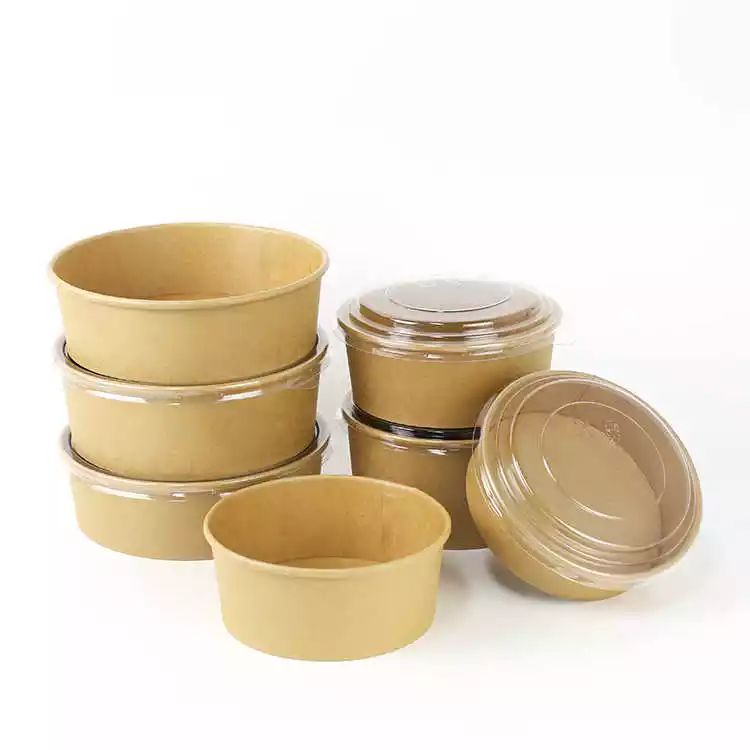
Understanding the operational mechanics of thermoforming technology is essential for manufacturers seeking efficient food packaging solutions. A thermoforming machine for food packaging transforms flat plastic sheets into three-dimensional containers through a precisely controlled heating and forming process. This manufacturing method has become the backbone of modern food packaging production, enabling the creation of everything from yogurt cups to clamshell containers with exceptional speed and consistency. The process combines thermal energy, mechanical force, and precise timing to deliver packaging solutions that meet stringent food safety standards while maintaining cost-effectiveness at industrial scale.

The thermoforming process operates through a systematic sequence of heating, forming, cooling, and trimming stages, each critical to producing high-quality food packaging containers. Modern thermoforming equipment integrates advanced control systems that monitor temperature profiles, pressure parameters, and cycle timing to ensure dimensional accuracy and material integrity. For food packaging applications specifically, these machines must maintain strict hygiene standards while processing food-grade plastics such as polypropylene, polyethylene terephthalate, and high-impact polystyrene. This article provides a comprehensive breakdown of how thermoforming technology functions, examining each operational stage in detail to help manufacturers understand the mechanics behind this versatile packaging production method.
The Fundamental Mechanics of Thermoforming Technology
Core Operating Principles in Plastic Sheet Forming
The thermoforming process begins with the fundamental principle of thermoplastic behavior—the ability of certain polymers to become pliable when heated and solidify when cooled. A thermoforming machine for food packaging exploits this property by heating plastic sheet material to its specific forming temperature range, typically between 140°C and 200°C depending on the polymer type. At this temperature threshold, the molecular chains within the plastic become sufficiently mobile to allow permanent deformation without breaking or tearing. The heating phase must be carefully controlled to achieve uniform temperature distribution across the entire sheet surface, preventing thin spots or weak areas in the final container.
Once the plastic sheet reaches optimal forming temperature, the machine applies differential pressure to force the pliable material against a mold cavity. This pressure differential can be created through vacuum suction, compressed air pressure, or mechanical plug assistance depending on the specific thermoforming method employed. The heated plastic conforms precisely to the mold contours, capturing even fine surface details and maintaining consistent wall thickness distribution. This forming action must occur within a specific time window before the plastic begins to cool and lose its formability, requiring precise synchronization between heating duration and forming cycle initiation.
The cooling stage immediately follows forming, where the newly shaped container must solidify while maintaining contact with the mold to preserve dimensional accuracy. Industrial thermoforming systems incorporate active cooling mechanisms within the mold tooling, using water circulation channels or forced air systems to accelerate heat extraction. Proper cooling management prevents warping, shrinkage irregularities, and stress concentrations that could compromise container integrity. The cooling rate must be balanced—too rapid cooling can induce internal stresses, while insufficient cooling extends cycle time and reduces production efficiency.
Material Feed and Sheet Preparation Systems
Before the actual forming process begins, the thermoforming machine for food packaging must properly position and secure the plastic sheet material. Roll-fed systems continuously advance plastic film from large master rolls, using precision servo drives to maintain consistent sheet tension and registration accuracy. These continuous feed mechanisms allow for high-speed production with minimal material waste, as the forming process creates containers directly from the advancing web. Sheet positioning accuracy becomes critical when producing multi-cavity molds where dozens of containers form simultaneously across the sheet width.
Sheet clamping mechanisms secure the plastic material around its perimeter before heating begins, preventing dimensional distortion during the thermal expansion that occurs as temperature rises. Modern clamping frames use pneumatic or hydraulic actuation to apply uniform pressure distribution, ensuring the sheet remains flat and properly tensioned throughout the heating cycle. Some advanced systems incorporate chain-driven edge grippers that maintain precise sheet registration while allowing for thermal expansion in the central forming area. This clamping precision directly influences the dimensional consistency of finished containers, particularly important for food packaging applications requiring tight lid-sealing tolerances.
Material pre-treatment may also occur before the sheet enters the heating zone, particularly when processing moisture-sensitive polymers or materials requiring surface preparation for subsequent printing or coating operations. Pre-heating zones gradually raise sheet temperature to prevent thermal shock, while corona treatment stations can modify surface energy to improve adhesion properties. These preparatory steps ensure optimal material performance during the forming process and enhance the functional properties of the finished food packaging containers.
Step-by-Step Breakdown of the Thermoforming Cycle
Initial Heating Phase and Temperature Control
The forming cycle begins with the plastic sheet entering the heating station, where infrared heaters, ceramic elements, or radiant panels deliver controlled thermal energy to both surfaces of the material. A thermoforming machine for food packaging typically employs zone-controlled heating arrays that can adjust temperature intensity across different regions of the sheet. This zoned heating capability allows operators to compensate for material thickness variations or to intentionally create temperature gradients that optimize material distribution during forming. Upper and lower heating elements work in coordinated patterns to achieve uniform heat penetration through the sheet thickness.
Temperature monitoring systems continuously track sheet surface temperature using non-contact infrared sensors positioned at multiple locations across the heating zone. These sensors feed real-time data to the machine control system, which adjusts heater output to maintain the target forming temperature within narrow tolerances, typically plus or minus three degrees Celsius. Achieving this thermal precision is essential for consistent forming quality, as temperature variations of even five degrees can significantly affect material flow characteristics and wall thickness distribution in the finished container. The heating duration varies based on sheet thickness, material type, and desired forming temperature, typically ranging from fifteen to sixty seconds for food packaging applications.
Advanced thermoforming systems incorporate predictive heating algorithms that adjust energy input based on material characteristics, ambient conditions, and production speed. These intelligent control systems reduce energy consumption while maintaining thermal consistency across production runs. Some machines feature rapid-response heater designs that can change temperature setpoints within seconds, enabling quick changeovers between different materials or product designs without extended setup periods. This heating flexibility allows manufacturers to maximize production efficiency while maintaining the thermal precision required for high-quality food packaging production.
Forming Action and Mold Engagement
Once the plastic sheet reaches optimal forming temperature, the machine rapidly positions the heated material over the mold cavity and initiates the forming sequence. In vacuum forming configurations, the mold surface contains numerous small vent holes connected to a vacuum chamber beneath. When the vacuum system activates, atmospheric pressure forces the heated plastic sheet downward into the mold cavity, conforming to every surface detail. The vacuum pressure differential typically ranges from 0.6 to 0.9 bar, sufficient to form most food packaging container geometries while avoiding excessive material thinning in deep-draw applications.
Pressure forming systems operate similarly but add compressed air pressure above the sheet to increase the forming force applied to the plastic material. This dual-pressure approach allows for sharper detail reproduction, tighter corner definition, and more consistent wall thickness distribution compared to vacuum-only forming. Pressure-assisted thermoforming machines can generate forming pressures up to 10 bar, enabling the production of containers with complex geometric features, undercuts, and textured surfaces. This enhanced forming capability makes pressure thermoforming particularly suitable for premium food packaging applications requiring superior aesthetic presentation.
Mechanical assist mechanisms may also engage during the forming phase, particularly when producing deep containers where material draw ratios exceed 3:1. Plug-assist devices use a precisely shaped tool that pre-stretches the heated plastic sheet into the mold cavity before vacuum or pressure forming completes the final shaping. This pre-stretching action improves material distribution, reducing the thickness variation between container sidewalls and base areas. The plug assist tool must be carefully designed to match the mold geometry and operate at a controlled temperature to avoid premature cooling of the plastic sheet during contact. Proper plug-assist programming significantly enhances forming quality for challenging food packaging container designs.
Cooling Stabilization and Part Solidification
Immediately following the forming action, the cooling phase begins while the plastic container remains in contact with the mold surface. The mold tooling itself serves as the primary cooling mechanism, constructed from aluminum or other high thermal conductivity materials that efficiently extract heat from the formed plastic. Many production molds incorporate internal cooling channels through which chilled water circulates at controlled temperatures, typically between 10°C and 20°C. This active cooling dramatically reduces cycle time compared to passive air cooling, enabling higher production rates while ensuring dimensional stability in the finished containers.
The cooling duration must be sufficient to solidify the plastic below its heat deflection temperature, the point at which the material can maintain its shape without external support. For common food packaging polymers like polypropylene, this typically requires cooling to approximately 80°C to 100°C before demolding can occur safely. Insufficient cooling time results in part distortion, warping, or dimensional inconsistency, while excessive cooling unnecessarily extends cycle time and reduces production efficiency. Advanced thermoforming systems calculate optimal cooling duration based on material type, wall thickness, and ambient conditions to maximize throughput without compromising quality.
Some high-speed thermoforming machines incorporate auxiliary cooling stations where formed containers continue to cool after leaving the primary mold. These secondary cooling zones use forced air convection or contact cooling plates to complete the solidification process while the next forming cycle proceeds. This parallel processing approach enables faster overall production rates, particularly important for thin-wall containers that require minimal forming time but benefit from extended cooling for optimal dimensional stability. The thermal management strategy employed significantly influences both production speed and energy efficiency in continuous thermoforming operations.
Trimming and Finished Part Extraction
After cooling, the formed containers remain connected to the surrounding web material that was clamped outside the forming area. The trimming operation separates finished containers from this skeletal waste material using precision cutting tools matched to the specific container geometry. In-line trimming systems integrate cutting dies directly into the thermoforming machine, performing the separation immediately after forming while the web advances continuously through the production line. These integrated systems use steel rule dies, matched metal dies, or reciprocating blade assemblies that shear through the plastic material along programmed trim lines.
The quality of the trimming operation directly affects the usability of finished food packaging containers, particularly regarding edge finish and dimensional accuracy. Dull cutting edges produce ragged trim lines with micro-cracks that can propagate during handling, while properly maintained cutting tools deliver clean edges free from burrs or stress concentrations. Some thermoforming applications employ laser cutting systems that vaporize material along the trim path, producing exceptionally clean edges without mechanical contact. However, laser trimming typically operates at slower speeds than mechanical methods, making it more suitable for specialty applications than high-volume food packaging production.
Following trimming, finished containers must be separated from the waste skeleton and transferred to downstream processes such as stacking, counting, or packaging. Automated extraction systems use vacuum cups, mechanical grippers, or air jets to lift containers from the forming line and position them onto conveyor systems. The skeleton waste material is simultaneously diverted to granulation equipment where it can be reprocessed into recycled resin for non-food applications. Efficient waste handling minimizes material costs while supporting sustainability objectives increasingly important in food packaging manufacturing. The complete cycle from sheet heating through finished part extraction typically requires between three and fifteen seconds depending on container complexity and production volume requirements.
Critical Process Parameters and Control Systems
Temperature Management Throughout the Process
Thermal control represents the most critical parameter in thermoforming operations, directly influencing material formability, finished part quality, and production consistency. The thermoforming machine for food packaging must maintain precise temperature control across multiple process zones, beginning with sheet pre-heating, continuing through the primary forming temperature, and extending into the mold temperature management. Each polymer material has a specific forming temperature window, typically spanning only 20 to 40 degrees Celsius, within which optimal forming characteristics exist. Operating below this window results in incomplete forming, webbing, or tearing, while excessive temperatures cause material degradation, sagging, or excessive thinning.
Modern control systems employ proportional-integral-derivative algorithms that continuously adjust heater output based on real-time temperature feedback from multiple sensor locations. These closed-loop control systems compensate for variations in line speed, ambient conditions, and material properties to maintain consistent thermal conditions throughout production runs. Temperature profiling capabilities allow operators to program different heating patterns for various zones across the sheet width, accommodating material thickness variations or intentionally creating controlled temperature gradients. This thermal flexibility enables a single thermoforming machine for food packaging to efficiently process different container designs without extensive mechanical adjustments.
Mold temperature control is equally important, as the tooling surface temperature affects cooling rate, surface finish quality, and part release characteristics. Mold temperatures typically range from 10°C to 40°C depending on material type and production speed requirements. Higher mold temperatures reduce thermal shock during forming, improving surface gloss and reducing internal stress in finished containers. However, elevated mold temperatures also extend cooling time, potentially limiting production rates. Balancing these competing factors requires careful process optimization based on specific product requirements and production volume objectives.
Pressure and Vacuum System Calibration
The forming pressure applied during the shaping phase must be carefully calibrated to achieve complete mold filling without causing material defects. Insufficient vacuum or pressure results in incomplete corner definition, webbing across recessed areas, or poor surface detail reproduction. Conversely, excessive forming pressure can cause material thinning beyond acceptable limits, particularly in deep-draw areas where plastic must stretch significantly to conform to mold contours. Production-grade thermoforming systems incorporate precision pressure regulators and flow control valves that maintain consistent forming pressure regardless of fluctuations in the facility compressed air or vacuum supply systems.
Vacuum system performance depends on achieving rapid air evacuation from the mold cavity to minimize the time window during which the heated plastic remains at forming temperature. High-capacity vacuum pumps combined with large-diameter plumbing deliver evacuation rates sufficient to complete forming within one to two seconds. The mold design itself influences vacuum efficiency, with vent hole size, distribution pattern, and total open area affecting airflow resistance during evacuation. Optimized mold venting achieves uniform pressure distribution across the entire forming surface, preventing localized areas of incomplete forming that could compromise container functionality.
Pressure-forming systems require additional attention to pressure application timing and rate control. Applying compressed air pressure too quickly can cause turbulent airflow that disturbs the heated plastic sheet before it contacts the mold surface, resulting in surface defects or uneven material distribution. Controlled pressure ramp profiles gradually increase forming force, allowing the plastic to flow smoothly into the mold cavity without inducing defects. Advanced machines feature programmable pressure profiles that can be customized for specific container geometries, optimizing forming quality while minimizing cycle time. Regular calibration of pressure sensors and control valves ensures consistent forming performance throughout extended production runs.
Timing Synchronization and Cycle Optimization
Production efficiency in thermoforming depends heavily on precise timing synchronization between all process stages. The machine controller orchestrates sheet advancement, heating duration, forming activation, cooling period, and trimming operation in a carefully sequenced pattern that maximizes throughput while maintaining quality standards. Even minor timing variations can significantly impact production rates, with a one-second reduction in cycle time potentially increasing output by hundreds of units per hour in high-speed operations. The challenge lies in minimizing individual stage durations without compromising the quality or consistency of finished containers.
Heating time typically represents the longest individual stage in the thermoforming cycle, particularly for thicker materials or polymers with low thermal conductivity. Reducing heating duration requires increased heater power density or improved heat transfer efficiency, both of which have practical limits based on material sensitivity and equipment capabilities. Some advanced systems employ rapid heating technologies such as quartz infrared elements or contact heating platens that dramatically reduce the time required to reach forming temperature. However, these accelerated heating methods must be carefully controlled to prevent surface degradation or non-uniform temperature distribution through the material thickness.
Cooling time can be optimized through enhanced mold cooling system design, increased coolant flow rates, or reduced mold temperatures. However, aggressive cooling strategies may introduce internal stresses that affect long-term dimensional stability or impact resistance of finished containers. The optimal cycle timing represents a carefully balanced compromise between production speed and quality requirements specific to each food packaging application. Production managers typically establish cycle parameters through systematic testing that evaluates forming quality, dimensional accuracy, and mechanical properties across a range of timing configurations, then selecting settings that deliver acceptable quality at maximum sustainable production rates.
Material Considerations for Food Packaging Applications
Polymer Selection and Performance Characteristics
The selection of appropriate plastic materials fundamentally determines the performance capabilities and application suitability of thermoformed food packaging containers. Polypropylene represents the most widely used polymer for thermoforming machine for food packaging applications, offering excellent chemical resistance, good impact strength, and superior clarity in oriented grades. Its relatively high heat deflection temperature makes polypropylene suitable for hot-fill applications and microwave reheating, while maintaining acceptable forming characteristics across a broad processing window. Different polypropylene grades provide varying balancing of stiffness, clarity, and impact resistance to match specific container requirements.
Polyethylene terephthalate has gained significant market share in food packaging thermoforming due to its exceptional clarity, oxygen barrier properties, and recyclability. Amorphous PET offers superior formability compared to crystalline grades, enabling the production of complex container geometries with excellent optical properties. The material's inherent stiffness allows for thinner wall sections compared to polypropylene, reducing material consumption and improving sustainability profiles. However, PET requires higher forming temperatures and presents greater sensitivity to overheating compared to polyolefin materials, demanding more precise thermal control during processing.
High-impact polystyrene continues to serve niche food packaging applications where cost efficiency takes priority over specialized performance requirements. HIPS offers excellent formability, good dimensional stability, and acceptable clarity for applications not requiring crystal-clear transparency. Its relatively low softening temperature enables fast heating cycles, contributing to high production rates in cost-sensitive applications. Polystyrene's brittleness compared to tougher polymers limits its use in applications requiring significant impact resistance or flexural durability. Material selection ultimately depends on balancing performance requirements, processing characteristics, cost constraints, and sustainability considerations specific to each food packaging application.
Food Safety and Regulatory Compliance
Food contact applications impose stringent material purity and processing requirements that significantly influence thermoforming operations. All polymers and additives used in food packaging containers must comply with relevant food safety regulations such as FDA requirements in North America or European Union food contact material directives. These regulations establish migration limits for various chemical substances, requiring manufacturers to use certified food-grade materials and maintain processing conditions that prevent contamination. The thermoforming machine for food packaging must be designed and maintained to meet hygienic processing standards, with smooth, easily cleanable surfaces throughout the material contact path.
Processing temperature control becomes particularly important from a food safety perspective, as excessive temperatures can cause polymer degradation that generates compounds potentially subject to migration restrictions. Operating within recommended processing temperature ranges prevents thermal degradation while ensuring adequate formability for container production. Some sensitive materials require inert atmosphere processing using nitrogen purging to prevent oxidative degradation during the heating phase. These protective measures maintain material purity while enabling the elevated temperatures necessary for efficient thermoforming operations.
Contamination prevention extends beyond material selection to encompass all aspects of the production environment. Cleanroom manufacturing conditions with controlled particulate levels, regular equipment sanitation procedures, and strict material handling protocols ensure finished containers meet food safety standards. Many food packaging manufacturers implement quality management systems aligned with food safety certifications, documenting material traceability, process validation, and finished product testing. These comprehensive quality programs demonstrate compliance with regulatory requirements while building customer confidence in the safety and suitability of thermoformed food packaging containers.
Sustainability and Material Efficiency
Environmental considerations increasingly influence material selection and process optimization in food packaging thermoforming. Material efficiency directly impacts both cost and sustainability metrics, making waste minimization a key objective in thermoforming operations. The inherent efficiency of thermoforming compared to alternative forming methods derives from its ability to produce containers directly from sheet material with minimal waste generation. Skeletal waste from the trimming operation typically represents only 15 to 30 percent of total material input, significantly lower than injection molding scrap rates or competing packaging manufacturing processes.
Lightweighting initiatives aim to reduce material consumption by optimizing container wall thickness distribution while maintaining required performance characteristics. Advanced thermoforming techniques such as multi-layer coextrusion enable the use of thinner overall wall sections by incorporating barrier layers or structural reinforcement only where needed. These sophisticated material structures deliver equivalent performance using less total plastic, reducing both material costs and environmental impact. The thermoforming machine for food packaging must provide precise control over material distribution to successfully process these optimized thin-wall designs without compromising quality or consistency.
Recycled content incorporation represents another important sustainability strategy, with many food packaging applications now utilizing post-consumer recycled polymers in non-food-contact layers of multi-layer structures. This approach maintains food safety compliance while diverting plastic waste from landfills and reducing demand for virgin polymer production. Processing recycled materials may require adjusted thermoforming parameters to accommodate variations in melt flow characteristics or thermal stability compared to virgin resins. Successful recycled content programs require careful material specification, supplier qualification, and process validation to ensure consistent forming performance and finished product quality throughout production runs utilizing recycled materials.
FAQ
What is the typical production speed of a thermoforming machine for food packaging?
Production speeds vary significantly based on container size, material thickness, and forming complexity, with high-speed machines producing between 200 and 800 containers per minute in multi-cavity configurations. Simple shallow containers using thin-gauge materials achieve the highest production rates, while deep-draw containers with complex geometries require longer cycle times that reduce overall throughput. Inline thermoforming systems that integrate forming, filling, and sealing operations typically operate at speeds between 100 and 300 cycles per minute, balancing forming efficiency with downstream processing requirements.
Can thermoforming machines process biodegradable or compostable materials for sustainable food packaging?
Modern thermoforming equipment can successfully process many biodegradable and compostable polymers including polylactic acid, polyhydroxyalkanoates, and cellulose-based materials, though processing parameters require careful optimization for these materials. Biodegradable polymers often exhibit narrower forming temperature windows and greater sensitivity to moisture compared to conventional plastics, demanding more precise environmental control during processing. Some bio-based materials may require modified heating systems, adjusted pressure parameters, or specialized mold coatings to achieve forming quality comparable to traditional food packaging polymers. Despite these challenges, thermoforming represents a viable manufacturing method for sustainable food packaging as material technologies continue advancing.
How does mold design affect the capabilities of a thermoforming machine for food packaging applications?
Mold design profoundly influences forming quality, production efficiency, and the geometric complexity achievable in thermoformed containers. Critical mold features include draft angles that facilitate part release, corner radii that prevent excessive material thinning, and surface texture that controls gloss and friction characteristics. Vent hole placement and sizing affect vacuum forming efficiency, while cooling channel design determines cycle time and dimensional stability. Multi-cavity molds must maintain precise cavity-to-cavity dimensional consistency to ensure uniform container quality across the entire sheet width. Advanced mold designs incorporate interchangeable inserts, adjustable depth features, or modular cavity sections that enable rapid product changeovers without complete tooling replacement, significantly improving production flexibility.
What maintenance requirements are essential for reliable thermoforming machine operation?
Regular maintenance programs should address heating element inspection and replacement, vacuum system filtration and pump servicing, pressure regulator calibration, and cutting die sharpening or replacement. Mold surfaces require periodic cleaning to remove polymer buildup and inspection for wear or damage that could affect part quality. Cooling system maintenance includes checking for leaks, verifying proper coolant flow rates, and maintaining water treatment to prevent scale buildup in cooling channels. Chain drives, servo motors, and pneumatic cylinders need lubrication, alignment verification, and component replacement according to manufacturer specifications. Comprehensive preventive maintenance extending across mechanical, electrical, and control systems minimizes unplanned downtime while ensuring consistent production quality throughout the machine's operational lifespan.
Table of Contents
- The Fundamental Mechanics of Thermoforming Technology
- Step-by-Step Breakdown of the Thermoforming Cycle
- Critical Process Parameters and Control Systems
- Material Considerations for Food Packaging Applications
-
FAQ
- What is the typical production speed of a thermoforming machine for food packaging?
- Can thermoforming machines process biodegradable or compostable materials for sustainable food packaging?
- How does mold design affect the capabilities of a thermoforming machine for food packaging applications?
- What maintenance requirements are essential for reliable thermoforming machine operation?