 EN
EN

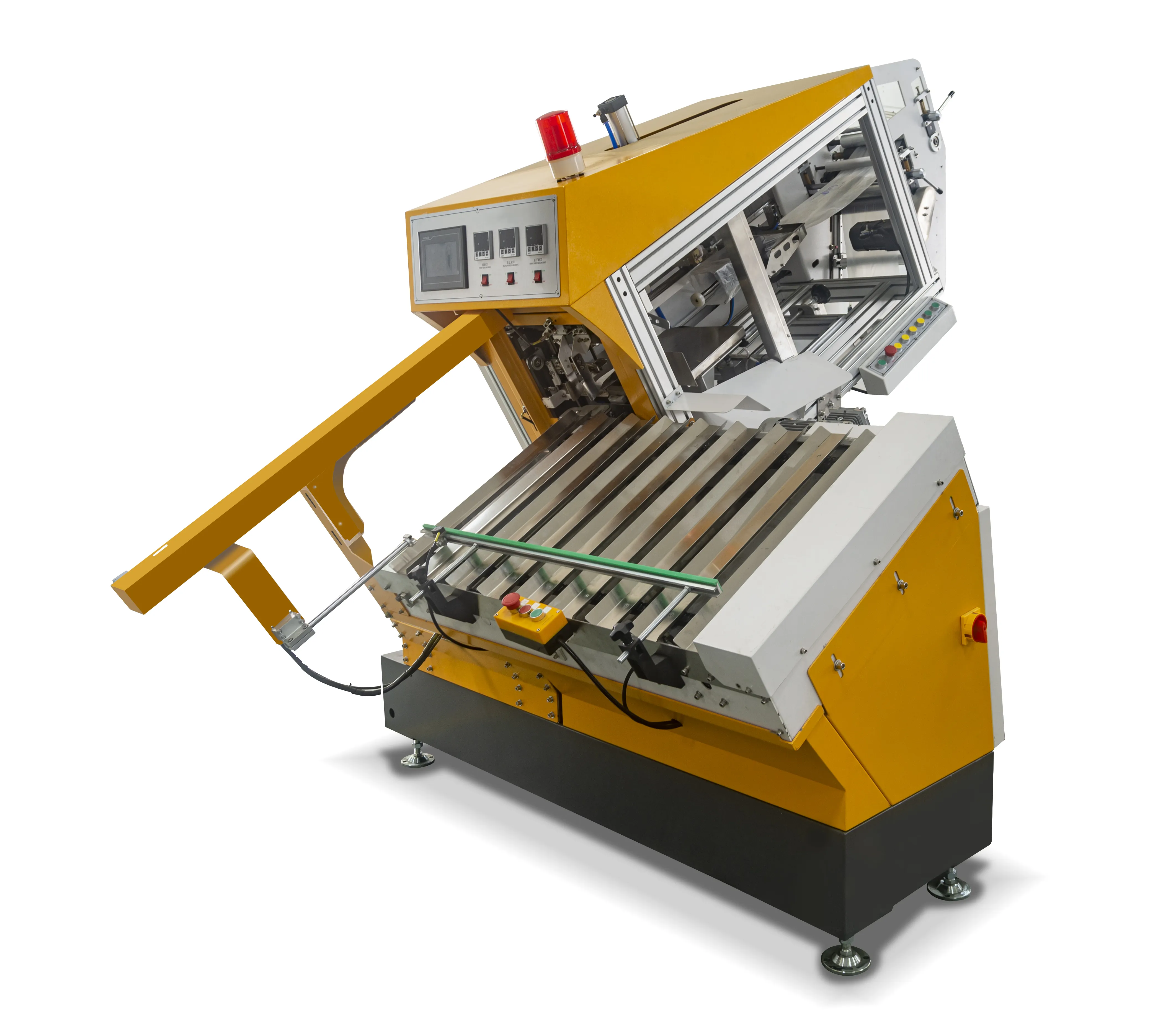
Modern manufacturing facilities face mounting pressure to optimize production efficiency while controlling operational expenses and environmental impact. Energy-efficient automatic packing machines represent a transformative solution that addresses these challenges simultaneously. By integrating advanced automation technology with power-saving features, energy-efficient automatic packing machines deliver measurable reductions in energy consumption, material waste, and labor costs. Understanding how these systems work and their tangible benefits is essential for facility managers, procurement professionals, and operations leaders seeking competitive advantage in today's cost-conscious industrial landscape.
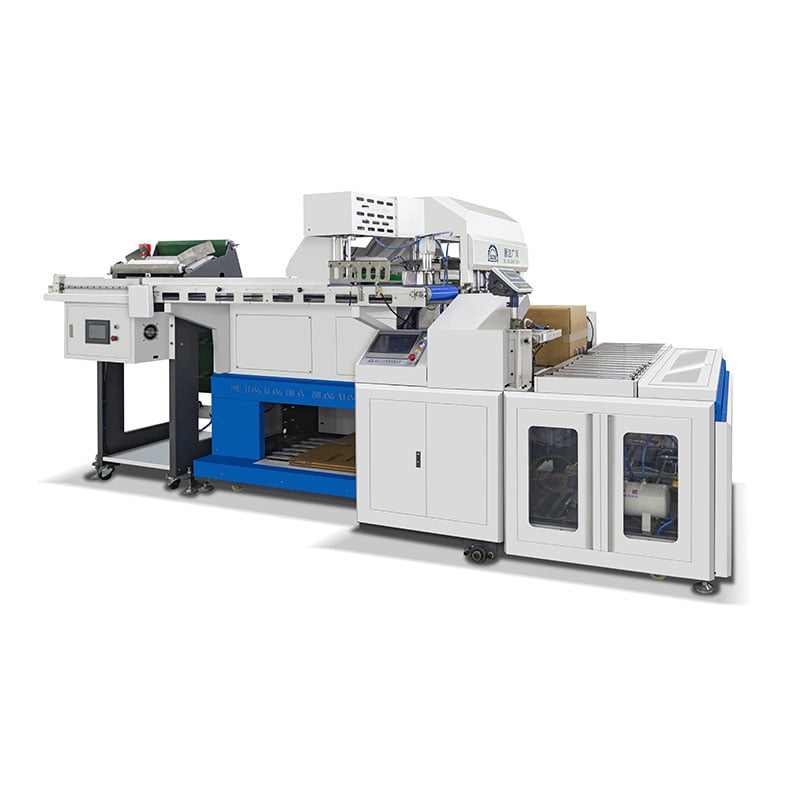
The adoption of energy-efficient automatic packing machines is no longer a luxury but a business imperative. Companies implementing these systems report significant reductions in power consumption per unit produced, translating to lower monthly energy bills and reduced carbon footprint. Beyond energy savings, energy-efficient automatic packing machines minimize material waste through precision handling, optimize production throughput, and reduce reliance on manual labor. This article explores the core mechanisms, operational advantages, cost-saving potential, and implementation considerations that make energy-efficient automatic packing machines a strategic investment for forward-thinking manufacturers.
How Energy-Efficient Automatic Packing Machines Reduce Power Consumption
Advanced Motor and Drive Technology
Energy-efficient automatic packing machines leverage variable frequency drives (VFDs) and high-efficiency servo motors to minimize power draw during operation. These advanced components adjust motor speed and torque output based on real-time demand, preventing unnecessary energy waste during low-intensity cycles. Traditional fixed-speed motors run at constant power regardless of workload, whereas energy-efficient automatic packing machines intelligently scale power consumption to match actual production requirements. This dynamic adjustment can reduce energy usage by 20 to 40 percent compared to conventional packing equipment, translating to substantial annual savings across continuous or multi-shift operations.
Smart Sensor Integration and Process Optimization
Modern energy-efficient automatic packing machines incorporate sophisticated sensor networks that monitor production parameters in real time. These sensors detect product positioning, box dimensions, and seal quality, allowing the machine to optimize cycle times and reduce idle periods. Energy-efficient automatic packing machines with integrated intelligence eliminate repetitive start-stop cycles that waste energy and increase mechanical wear. By streamlining the packaging workflow and reducing nonproductive machine movements, energy-efficient automatic packing machines maintain consistent output while consuming significantly less electrical power per unit produced.
Cost Reduction and Waste Elimination Benefits
Direct Operating Cost Savings
Energy-efficient automatic packing machines deliver immediate and quantifiable returns through reduced utility expenses. A facility operating multiple packing lines can achieve 15 to 25 percent monthly energy cost reduction by transitioning to energy-efficient automatic packing machines. These savings compound monthly and annually, with many systems achieving full ROI within two to four years. Beyond electricity costs, energy-efficient automatic packing machines reduce maintenance expenses through optimized mechanical operations and lower thermal stress on components. Fewer repairs and extended equipment lifespan further enhance the financial case for energy-efficient automatic packing machines in capital budgeting decisions.
Material Waste Reduction and Sustainability Impact
Precision packaging is a hallmark of energy-efficient automatic packing machines, directly minimizing material waste. These systems apply exact amounts of packaging material, seal boxes with minimal overlap, and reduce product damage during the packing process. Energy-efficient automatic packing machines equipped with advanced controls ensure consistent pack density and structural integrity, reducing returns and customer complaints related to poor packaging. From an environmental perspective, energy-efficient automatic packing machines support corporate sustainability goals by reducing packaging consumption, lowering carbon emissions from energy usage, and decreasing waste destined for landfills. Manufacturers marketing sustainability commitments benefit significantly from implementing energy-efficient automatic packing machines.
Implementation Considerations and ROI Calculation
Assessment of Current Operations
Before investing in energy-efficient automatic packing machines, facilities should conduct a detailed analysis of existing packing operations. Key metrics include current energy consumption per unit produced, labor hours devoted to manual packing, material waste rates, and equipment downtime. Energy-efficient automatic packing machines offer the greatest value in high-volume operations where efficiency gains compound across millions of cycles annually. Facilities with lower production volumes should assess whether energy-efficient automatic packing machines' automation benefits justify the capital investment alongside energy savings.
Financial Planning and Performance Metrics
Quantifying the business case for energy-efficient automatic packing machines requires establishing baseline performance metrics and projecting savings across a defined payback period. Calculate monthly energy cost reduction by multiplying current power consumption by energy rates, then apply the estimated efficiency improvement percentage of energy-efficient automatic packing machines. Factor in labor cost elimination, material waste reduction, and reduced maintenance expenses. Energy-efficient automatic packing machines often enable facilities to increase output without proportional energy increases, effectively improving profit margins per unit. Establish clear performance monitoring protocols to track energy-efficient automatic packing machines' actual performance against projections and identify optimization opportunities post-implementation.
FAQ
What specific energy savings can facilities expect from energy-efficient automatic packing machines?
Most facilities implementing energy-efficient automatic packing machines report 20 to 40 percent reductions in packing-related energy consumption. Actual savings depend on baseline equipment efficiency, production volume, operating hours, and local electricity rates. Facilities operating continuously or in multi-shift schedules see the most dramatic cost reductions. Energy-efficient automatic packing machines with VFD motors and intelligent controls deliver the highest efficiency gains compared to older fixed-speed equipment.
How long does it typically take to recover the investment in energy-efficient automatic packing machines?
Return on investment for energy-efficient automatic packing machines typically ranges from two to four years, depending on production volume, current energy costs, and labor expenses being displaced. High-volume operations achieve faster payback through compounding efficiency gains across larger production runs. Beyond the payback period, energy-efficient automatic packing machines continue generating cost savings and operational benefits, effectively becoming profit centers in the facility's equipment portfolio.
Are energy-efficient automatic packing machines suitable for small or mid-sized manufacturing operations?
Energy-efficient automatic packing machines can benefit operations of various sizes, though smaller facilities should carefully evaluate production volumes and current labor costs. energy-efficient automatic packing machines with modular designs allow scalable implementation across growing operations. Mid-sized facilities with consistent daily volumes typically experience excellent ROI from energy-efficient automatic packing machines, while smaller operations may prioritize less capital-intensive automation solutions.
Table of Contents
- How Energy-Efficient Automatic Packing Machines Reduce Power Consumption
- Cost Reduction and Waste Elimination Benefits
- Implementation Considerations and ROI Calculation
-
FAQ
- What specific energy savings can facilities expect from energy-efficient automatic packing machines?
- How long does it typically take to recover the investment in energy-efficient automatic packing machines?
- Are energy-efficient automatic packing machines suitable for small or mid-sized manufacturing operations?