 EN
EN

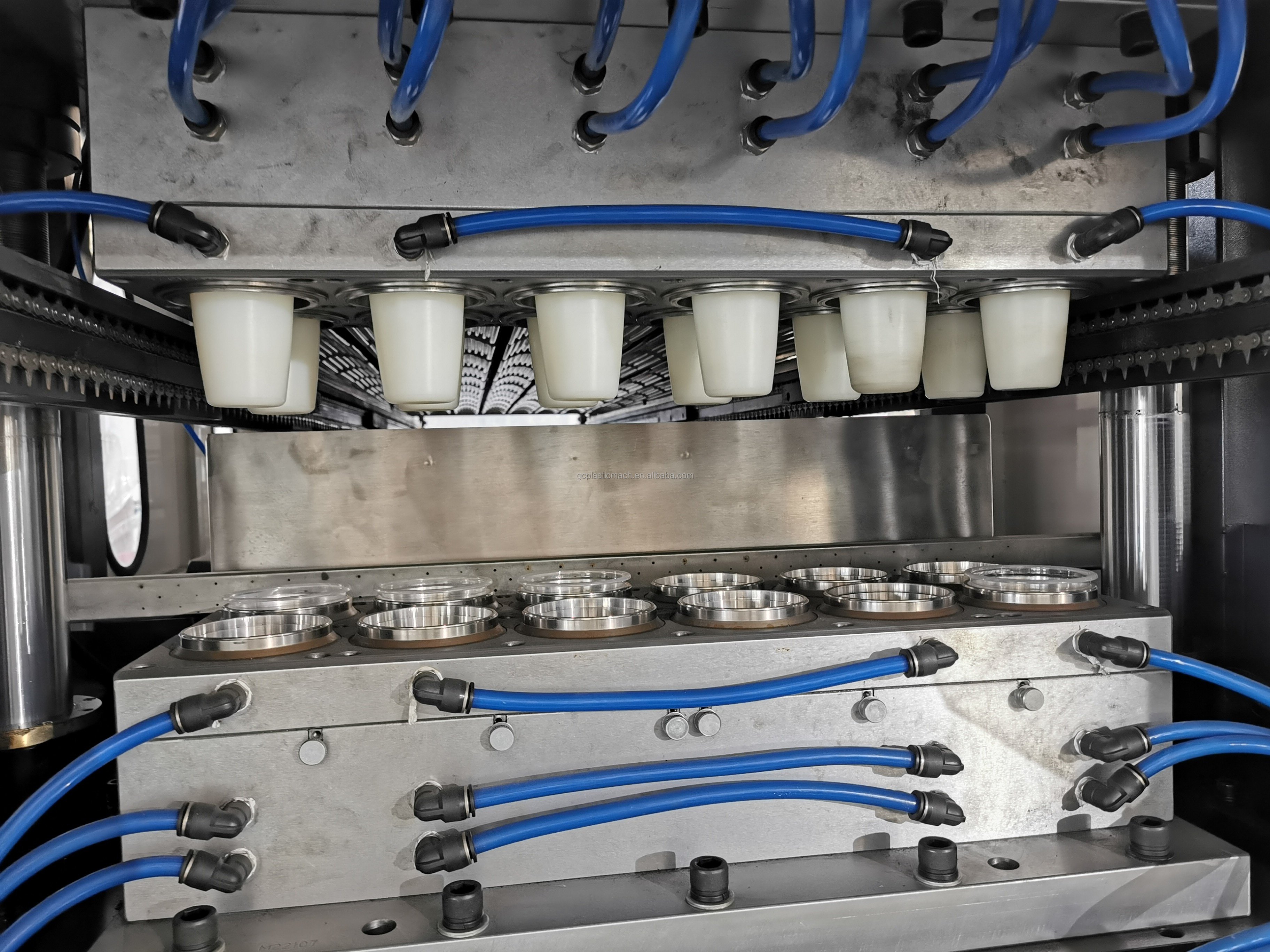
Automatic packing machines are critical assets in modern production environments, handling the final stages of product packaging with speed and precision. Regular maintenance of automatic packing machines directly impacts operational efficiency, product quality, and bottom-line profitability. Without a structured maintenance approach, automatic packing machines can experience unexpected downtime, costly repairs, and compromised packaging integrity. This comprehensive guide provides the maintenance checklist you need to keep automatic packing machines running smoothly and reliably.
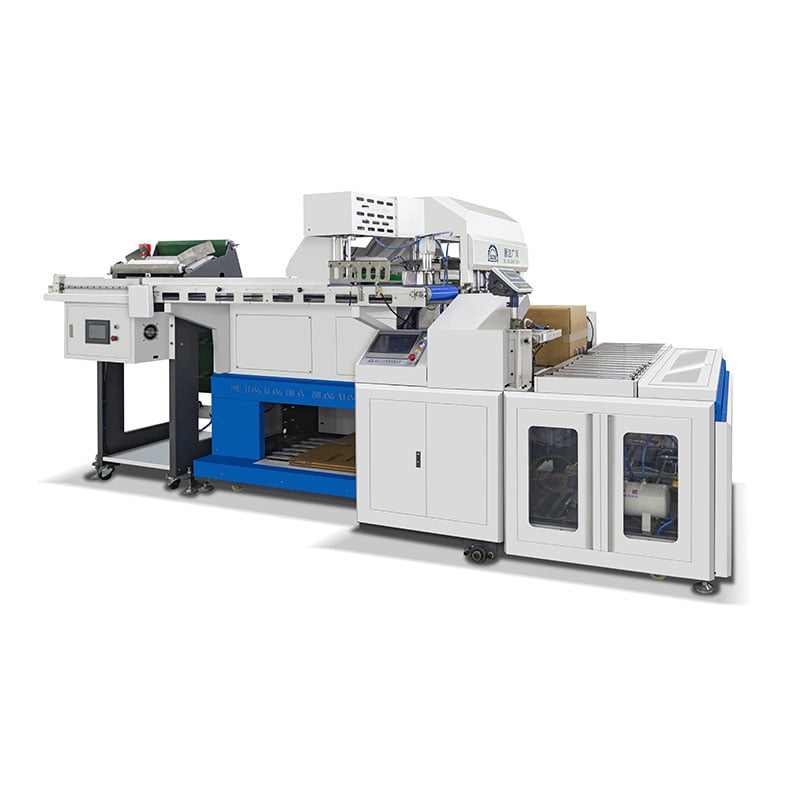
Effective maintenance prevents emergency shutdowns and extends the operational lifespan of automatic packing machines. By implementing a structured maintenance checklist, manufacturers reduce unexpected failures, maintain consistent output, and protect their investment in packaging automation. The difference between reactive and proactive maintenance often translates directly into production uptime and profitability.
Daily Maintenance Tasks for Automatic Packing Machines
Visual Inspection and Cleaning
Every operating day should begin with a visual inspection of automatic packing machines. Look for signs of material accumulation, loose fasteners, unusual sounds, or visible wear on seals and gaskets. Cleaning the external surfaces and removing accumulated dust, film residue, or product debris prevents contamination and allows early detection of potential issues. Pay special attention to the feeding mechanism, sealing area, and product guide tracks where buildup commonly occurs on automatic packing machines.
Lubrication and Fluid Levels
Check hydraulic fluid, air pressure, and oil levels on automatic packing machines before production starts. Verify that all accessible lubrication points have adequate grease or oil according to manufacturer specifications. Proper lubrication reduces friction between moving parts, minimizes wear, and maintains the precision that automatic packing machines require for consistent sealing and forming. Low fluid levels can cause operational strain and trigger premature component failure across automatic packing machines.
Weekly Maintenance for Automatic Packing Machines
Filter and Vacuum Checks
Weekly maintenance of automatic packing machines should include inspecting and potentially replacing air filters, oil filters, and vacuum components. Clogged filters reduce system efficiency and place additional strain on motors and pumps. For automatic packing machines that use vacuum sealing or pneumatic forming, filter cleanliness directly affects packaging quality and equipment reliability. Document filter condition and replacement dates to establish patterns that inform future maintenance scheduling for automatic packing machines.
Conveyor Belt and Drive System
Examine conveyor belts, rollers, and drive systems on automatic packing machines for signs of wear, misalignment, or slippage. Check belt tension and adjust if necessary to ensure smooth product movement without unnecessary strain. Inspect pulleys and drive shafts for damage or excessive runout. These components work continuously on automatic packing machines and require regular attention to prevent sudden failures that disrupt production schedules.
Monthly and Seasonal Maintenance for Automatic Packing Machines
Comprehensive System Testing
Conduct monthly diagnostic tests of all sealing, forming, and cutting mechanisms on automatic packing machines. Run test cycles with monitoring equipment to verify temperature consistency, pressure stability, and cycle timing accuracy. Calibrate sensors and safety systems to ensure automatic packing machines continue operating within specified parameters. Monthly testing on automatic packing machines identifies emerging problems before they cause production failures or quality issues.
Seal and Gasket Replacement
Seals and gaskets experience continuous compression and wear on automatic packing machines, particularly those used for high-speed or high-temperature operations. Replace seals proactively during maintenance windows rather than waiting for leaks to develop. Inspect forming dies, cutting blades, and press plates for wear patterns or damage that affects product consistency. Monthly attention to these critical components keeps automatic packing machines operating reliably and produces consistent, professional package appearance.
Electrical Connections and Safety Systems
Check all electrical connections, terminal blocks, and power distribution components on automatic packing machines for corrosion, looseness, or heat damage. Test emergency stops, pressure relief valves, and interlock systems to confirm they function properly. Verify that safety guards and access door mechanisms work smoothly without binding. Proper electrical maintenance protects operators and ensures automatic packing machines respond correctly to fault conditions and emergency signals.
Preventive Measures to Maximize Automatic Packing Machines Performance
Environmental Control and Storage
Maintain stable environmental conditions around automatic packing machines, including temperature, humidity, and dust levels. Extreme temperature fluctuations can affect material properties, sealing quality, and electronic component performance on automatic packing machines. Store spare parts, film rolls, and packaging materials in controlled conditions to prevent degradation. Environmental consistency directly impacts the reliability and output quality of automatic packing machines over extended periods.
Documentation and Record Keeping
Establish a detailed maintenance log for automatic packing machines that documents all inspections, repairs, replacements, and operational issues. Track component replacement dates, filter changes, fluid top-ups, and any anomalies observed during operation. This historical record helps identify recurring problems, predict future maintenance needs, and justify equipment upgrades. Comprehensive records transform maintenance of automatic packing machines from reactive troubleshooting into a data-driven strategy.
Operator Training and Protocol
Train operators on proper use of automatic packing machines, including correct startup sequences, normal operating parameters, and immediate responses to warning signs. Operators who understand the equipment catch early warning signs like unusual noises or temperature variations. Establish clear protocols for reporting issues with automatic packing machines and designate maintenance responsibility to ensure consistent care. Well-trained operators significantly extend the reliable service life of automatic packing machines.
Emergency Procedures and Troubleshooting for Automatic Packing Machines
Common Issues and Quick Fixes
Film jams frequently occur on automatic packing machines due to misalignment or foreign debris. Regular cleaning and proper threading procedures prevent most jam incidents. Inconsistent seal quality typically signals worn dies or temperature drift requiring recalibration. Slow cycles or reduced output often indicate filter clogs, low pneumatic pressure, or worn drive components on automatic packing machines. Quick diagnosis prevents extended downtime when issues arise with automatic packing machines.
When to Call Professional Service
Complex issues like electronic control failures, motor problems, or hydraulic system leaks require professional technician intervention on automatic packing machines. Attempting complex repairs without proper training risks equipment damage and personal safety on automatic packing machines. Develop relationships with qualified service providers who understand your specific automatic packing machines model. Professional maintenance expertise ensures repairs restore equipment to original specifications rather than temporary fixes that create future problems.
FAQ
How often should I perform maintenance on automatic packing machines?
Maintenance frequency for automatic packing machines depends on usage intensity and operating environment. Daily visual inspections and cleaning are essential, weekly filter and belt checks prevent most common failures, and monthly comprehensive diagnostics catch emerging problems early. High-speed or continuous-operation automatic packing machines may require more frequent attention than equipment running intermittent schedules. Consult your manufacturer's guidelines and adjust frequency based on observed wear patterns.
What is the most critical maintenance task for automatic packing machines?
Proper lubrication stands as the most critical maintenance task for automatic packing machines because it directly affects every moving component. Inadequate lubrication accelerates wear on bearings, seals, and drive systems, reducing the operational lifespan of automatic packing machines dramatically. Regular lubrication prevents friction-related failures and maintains the precision tolerances that automatic packing machines require for consistent packaging quality and performance.
Can preventive maintenance reduce downtime on automatic packing machines?
Yes, preventive maintenance significantly reduces unexpected downtime on automatic packing machines. By addressing wear patterns before failures occur, maintenance schedules keep automatic packing machines operating reliably during production runs. Facilities using structured maintenance checklists for automatic packing machines report substantially fewer emergency repairs and maintain higher production uptime compared to reactive maintenance approaches. The investment in preventive maintenance delivers clear returns through improved operational reliability and reduced emergency service costs for automatic packing machines.
Table of Contents
- Daily Maintenance Tasks for Automatic Packing Machines
- Weekly Maintenance for Automatic Packing Machines
- Monthly and Seasonal Maintenance for Automatic Packing Machines
- Preventive Measures to Maximize Automatic Packing Machines Performance
- Emergency Procedures and Troubleshooting for Automatic Packing Machines
- FAQ