 EN
EN

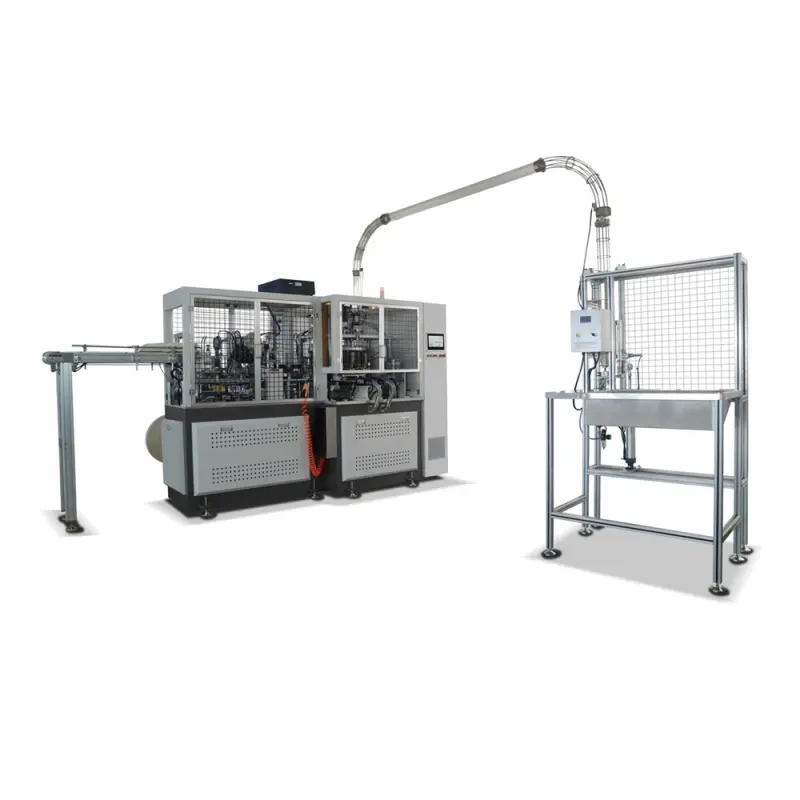
Investing in an automatic packing machine represents one of the most significant capital decisions manufacturing and packaging operations face today. The question is not whether automation exists, but whether an automatic packing machine delivers measurable return on investment within a realistic timeframe. For companies handling high-volume production, the answer often hinges on specific operational metrics: current labor costs, production volume, product specifications, and existing packaging workflows. Understanding whether an automatic packing machine justifies its upfront expense requires analyzing both tangible and intangible benefits against true total cost of ownership.
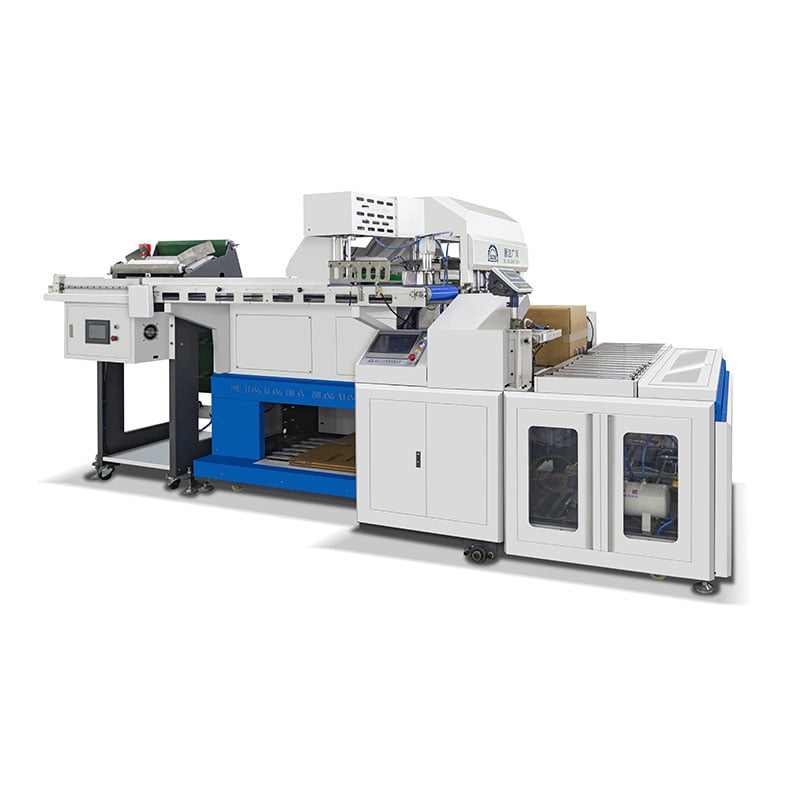
The financial case for an automatic packing machine depends on replacing manual or semi-automated processes with faster, more consistent throughput. Most companies evaluate this decision by comparing labor productivity gains, material waste reduction, speed improvements, and quality consistency against equipment acquisition and maintenance costs. Organizations running multiple shifts, handling fragile items, or serving high-demand customers typically see faster payback periods. The real ROI calculation reveals whether an automatic packing machine will recoup its cost through operational savings and increased revenue capacity before technological obsolescence or maintenance escalation undermines the investment thesis.
Core Financial Benefits of Automatic Packing Machine Investment
Labor Cost Reduction and Productivity Gains
Labor represents the largest operational expense in manual packaging operations. An automatic packing machine directly addresses this by consolidating multiple manual tasks into a single automated workflow. In typical manufacturing environments, a single operator can oversee one or more automatic packing machines simultaneously, replacing three to five manual packers. This workforce reallocation doesn't necessarily mean layoffs; rather, employees shift to quality control, machine oversight, maintenance support, or higher-value production tasks. When calculated over five years, the labor cost differential from deploying an automatic packing machine often exceeds the initial equipment purchase price, creating the primary ROI driver for most organizations.
Beyond simple headcount reduction, an automatic packing machine enables consistent throughput across production shifts. Manual teams experience fatigue, require breaks, and demonstrate variable performance throughout the day. Machines maintain identical speed, precision, and output quality across twenty-four-hour operations. For companies running continuous or multi-shift production, this consistency translates to predictable capacity planning, fewer bottlenecks, and higher annual throughput. The productivity multiplier effect—where an automatic packing machine processes more units with fewer resources—compounds the ROI calculation significantly over multi-year horizons.
Material Waste and Quality Consistency
Manual packing introduces variability in material consumption, seal integrity, and product damage during packaging. An automatic packing machine operates with calibrated precision, using exact quantities of tape, foam, bubble wrap, or other protective materials. Waste reduction ranges from five to fifteen percent depending on previous manual process standards and the specific automatic packing machine configuration. For operations handling delicate electronics, pharmaceuticals, or high-value components, damage reduction becomes significant: fewer returned units, reduced warranty claims, and improved customer satisfaction directly improve profitability.
Quality consistency also addresses regulatory compliance and brand reputation. An automatic packing machine documents every cycle, provides audit trails, and ensures repeatable sealing, labeling, and box formatting standards. This consistency becomes critical in regulated industries such as food, pharmaceutical, or medical device packaging. The cost of failed compliance audits, customer returns, or regulatory rework often exceeds equipment investment when compared against the reliable, documented performance of an automatic packing machine.
Speed, Capacity, and Revenue Impact
Throughput Multiplication and Bottleneck Resolution
A automatic packing machine typically processes fifty to three hundred boxes per hour depending on product size, material type, and packaging complexity. Manual teams rarely exceed twenty to forty boxes per hour, and that output degrades with shift length and employee fatigue. For organizations with existing orders exceeding current manual capacity, an automatic packing machine eliminates the revenue ceiling imposed by packaging constraints. Companies can accept larger orders, reduce lead times, and capture market share previously lost to competitors with faster fulfillment. This capacity multiplication converts the automatic packing machine from a cost-reduction tool into a revenue enabler.
Bottleneck resolution particularly impacts companies with robust upstream production or growing sales pipelines constrained by packaging speed. When production output sits waiting for manual packaging teams, inventory builds, working capital increases, and customer delivery dates slip. An automatic packing machine resolves this constraint by accelerating the final packaging stage, allowing production teams to work at optimal capacity. This throughput unlocking often justifies the automatic packing machine investment purely through improved cash flow and inventory efficiency, independent of labor savings.
Market Responsiveness and Order Fulfillment
Manufacturing agility depends on end-to-end speed, and packaging often represents the slowest, most manual step in the workflow. An automatic packing machine reduces fulfillment timelines, enabling faster response to customer demand and seasonal peaks. Companies can commit to shorter lead times, win price-sensitive contracts requiring rapid turnaround, and reduce the inventory required to meet unpredictable demand spikes. For e-commerce, subscription box, or just-in-time distribution models, the speed improvement from an automatic packing machine translates directly to competitive advantage and customer retention. The revenue impact of capturing incremental orders or expanding into time-sensitive markets frequently offsets equipment costs within two to three years.
Total Cost of Ownership and Payback Timeline
Equipment, Installation, and Training Investment
An automatic packing machine typically ranges from fifty thousand to over three hundred thousand dollars depending on complexity, speed rating, and customization requirements. Beyond purchase price, organizations must account for installation, site preparation, electrical infrastructure modifications, and operator training. These ancillary costs often represent fifteen to twenty-five percent of equipment value but are frequently overlooked in initial ROI calculations. Most realistic financial analyses also reserve five to ten percent of equipment cost annually for maintenance parts, component replacement, and preventive service. However, when spread across annual throughput improvements, these carrying costs remain economically justified for operations processing sufficient volume.
Payback timelines for an automatic packing machine typically range from eighteen to forty-eight months depending on current labor rates, production volume, and equipment configuration. High-volume operations with substantial labor cost burdens achieve payback within two years; moderate-volume or lower-cost labor environments may require three to four years. The critical calculation factors in the full financial picture: actual labor displacement, material waste reduction, product damage prevention, speed improvement, and capacity expansion. Companies should model payback using conservative estimates rather than optimistic projections to ensure realistic expectations about when an automatic packing machine actually generates positive cash flow.
Maintenance, Obsolescence, and Equipment Lifespan
Modern automatic packing machines typically operate reliably for eight to twelve years with proper maintenance and component replacement. However, technology evolution means newer generations deliver higher speeds, lower energy consumption, and improved automation features. When modeling ROI for an automatic packing machine, companies should evaluate replacement cycles: will current equipment remain cost-effective after the initial payback period, or does replacement within ten years align with performance roadmaps? Maintenance costs typically increase in years six through eight as wear accelerates, potentially justifying earlier replacement if technological improvements offer significant efficiency gains. A comprehensive ROI analysis treats the automatic packing machine as a multi-cycle investment rather than a single capital decision, accounting for eventual replacement and its impact on long-term profitability.
Strategic Considerations Beyond Immediate ROI
Risk Mitigation and Operational Resilience
An automatic packing machine reduces dependency on seasonal labor availability, overtime escalation, and workforce turnover disruption. In tight labor markets where manual packaging roles are difficult to fill, automation eliminates recruitment and training overhead. The machine operates consistently regardless of hiring challenges, market conditions, or employee retention issues. This operational resilience—the ability to maintain output despite labor market fluctuations—represents valuable insurance against disruption. While difficult to quantify in standard ROI calculations, resilience frequently justifies automatic packing machine investment when traditional financial analysis shows marginal returns.
Additionally, an automatic packing machine provides scalability for growth without proportional cost increases. As sales volume expands, companies can increase automatic packing machine runtime, add shifts, or deploy additional machines more cost-effectively than hiring and training equivalent manual teams. This scalability advantage becomes particularly important for high-growth startups or seasonal businesses where labor flexibility is critical.
Data Collection, Traceability, and Compliance
Modern automatic packing machines include integrated sensors, production tracking, and output documentation. This data collection enables traceability, compliance verification, and performance optimization impossible with manual processes. Regulated industries benefit substantially from this automatic record-keeping: production logs, material usage, seal integrity checks, and batch documentation support audit compliance and reduce regulatory risk. The compliance value alone frequently justifies deployment of an automatic packing machine in pharmaceutical, food, or medical device packaging where documentation represents a significant cost factor.
FAQ
What production volume justifies investing in an automatic packing machine?
Most manufacturers see meaningful ROI from an automatic packing machine with annual volumes exceeding one hundred thousand units. However, even lower volumes can justify investment if product value is high, manual labor costs are substantial, or order fulfillment speed is strategically important. The specific breakeven point depends on current labor rates, product specifications, and equipment configuration. Companies should model their specific scenario rather than relying on general volume thresholds, as the financial case varies significantly by operation.
How quickly does an automatic packing machine typically pay for itself?
Payback periods for an automatic packing machine typically range from eighteen to forty-eight months, depending on production volume, existing labor costs, and operational efficiency gains. High-volume operations with substantial labor costs often achieve eighteen to twenty-four month payback, while moderate-volume operations may require three to four years. The calculation should include labor savings, material waste reduction, quality improvements, and any revenue benefits from increased capacity. Conservative financial modeling prevents overstating returns and ensures realistic expectations about timeline to profitability.
Can an automatic packing machine improve quality and compliance outcomes?
Yes, an automatic packing machine consistently delivers superior quality through calibrated precision, documented processes, and elimination of human variability. Regulatory compliance improves dramatically because machines provide complete audit trails, repeatable procedures, and documented evidence of sealing integrity and material standards. Industries such as pharmaceutical, food, and medical device packaging particularly benefit from this compliance advantage. While not always the primary ROI driver, quality and compliance improvements often justify automatic packing machine investment independently of pure labor cost savings.