 EN
EN
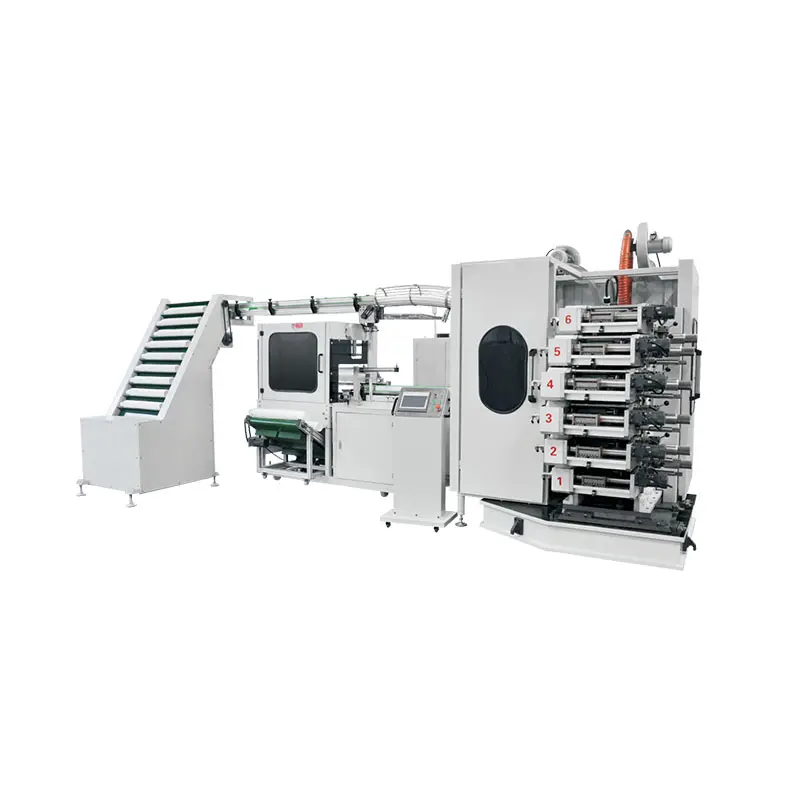
Start with the Right Plastic Cup Printing Machine for Low-Capital Entry
Why entry-level plastic cup printing machines outperform dye sublimation for non-ceramic, high-volume custom cups
For businesses looking to print on plastic cups, entry level printing machines actually work much faster and cost less per item compared to traditional dye sublimation methods for plastic containers. Sublimation printing needs special transfer paper, specific coatings, and goes through several steps before completion. Direct print systems skip all that extra work by applying UV cured inks directly onto materials like polypropylene or PET surfaces. Mid range models can crank out around 600 to 800 cups every hour while using about half the ink cost of sublimation techniques roughly $0.08 versus $0.20 per printed cup. Looking at actual business figures, most companies see their investment pay off within 18 to 24 months when they're producing over 15,000 cups each month, which makes these machines particularly good for large beverage manufacturers and event supply businesses that need massive quantities. What really matters though is how well the prints hold up. Most systems achieve at least 95% durability even after going through 50 dishwasher cycles, plus they work with a wide variety of plastic materials used in industrial grade cups, ensuring consistent results throughout production runs.
Comparing popular budget-friendly plastic cup printing machine models: reliability, throughput, and maintenance reality checks
Semi-automatic machines offer the most accessible entry point, with capable models from established manufacturers requiring just 1–2 operators. Key operational metrics reveal:
| Feature | Entry-Level (Semi-Auto) | Mid-Range (Auto) |
|---|---|---|
| Max Output/Hour | 600–800 cups | 1,200–1,500 cups |
| Setup Time Changeover | 15–20 minutes | <5 minutes |
| Labor Cost/1k Units | $8.50 | $2.10 |
| Downtime/Maintenance | 3–5 hours weekly | <1.5 hours weekly |
Automated systems definitely boost production speed, but semi-automatic alternatives cut initial expenses anywhere from 40 to 60 percent, which makes them attractive for companies watching their budgets closely. According to recent studies, factories using servo-driven registration report around 30% less wasted materials, something that matters a lot when dealing with complex color schemes on product packaging. The modular nature of these machines means businesses can install additional features like foil stamping or embossing after they start operations, matching equipment upgrades to actual sales performance rather than guessing at future needs.
Adopt a No-Inventory Model: Print-on-Demand and Dropshipping Integration
How POD eliminates upfront inventory risk while enabling rapid testing of cup designs and niches
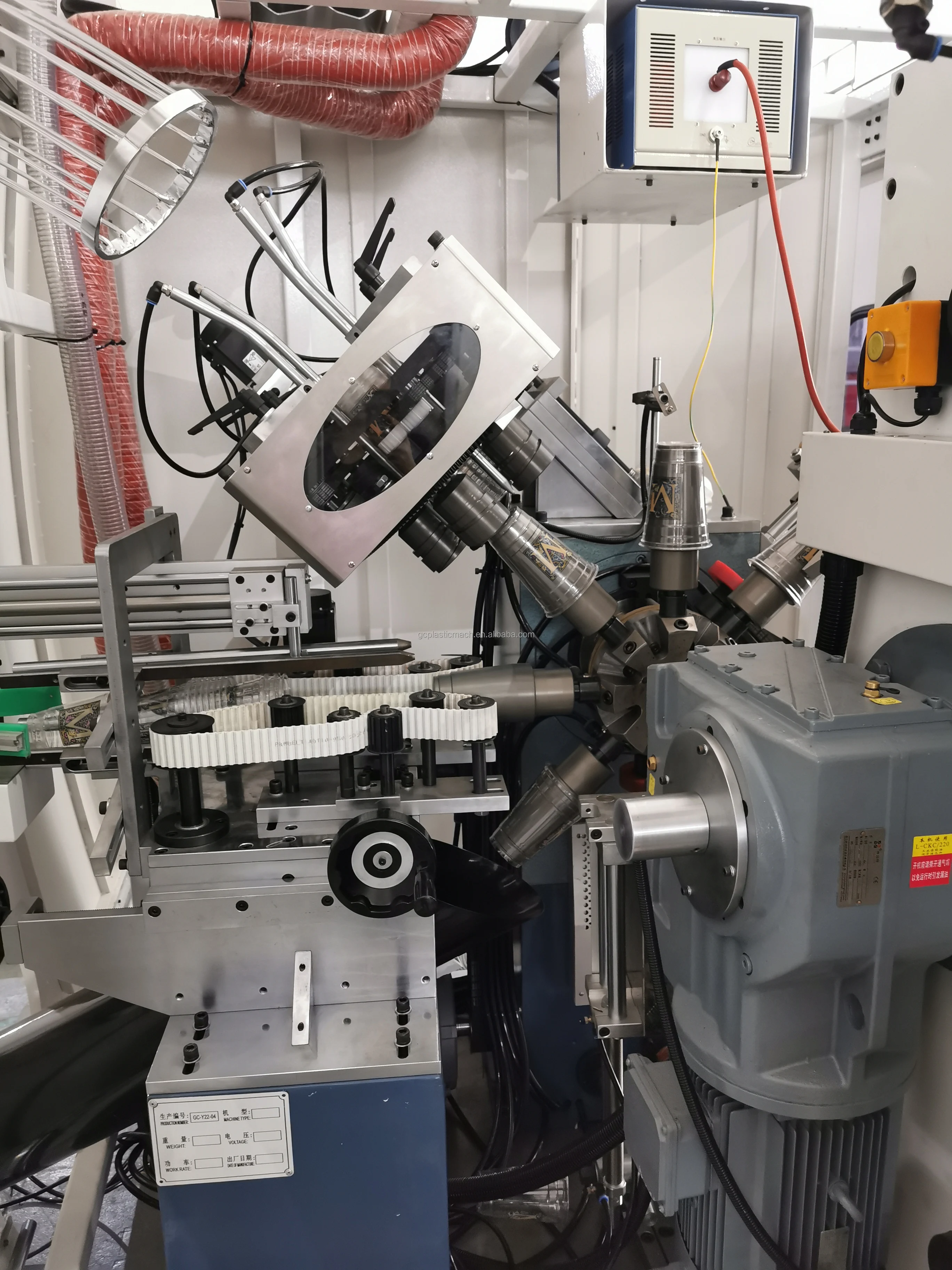
Print on Demand (POD) gets rid of those pesky inventory risks since it makes cups only when someone actually places an order. No need to worry about paying for warehouse space, dealing with outdated stock, or having money tied up in unsold products. Businesses can try out different cup designs quickly without committing to large quantities first. Think about seasonal variations, designs tailored for specific groups, or local brand promotions that can all get launched with minimal expense involved. When combined with a plastic cup printing machine, companies gain this great hybrid approach where they handle regular production internally but send overflow work or special requests outside. According to Gelato's latest findings, startups using POD typically cut their initial expenses down by around 80 percent versus old school inventory methods. This kind of operational flexibility allows businesses to check if there's real market interest, tweak their product offerings accordingly, and grow based on actual sales figures instead of just guessing what might happen next.
Unit economics breakdown: $3.20 COGS vs. $24.99 retail – calculating breakeven volume and scalable contribution margin
Getting a handle on unit economics matters a lot for anyone running a business. The average cost to produce each cup comes out around $3.20 when we factor in all the stuff needed materials, printing ink, electricity usage, plus labor costs. We usually sell these at about $24.99 apiece, which leaves us with roughly $21.79 profit per item after covering those production expenses. That leftover money goes toward things like advertising spend, platform charges, and getting products out the door. To figure out how many units need to be sold before breaking even, just take the total monthly fixed costs and divide them by this per unit margin. Let's say our fixed costs are around $500 for the month then we'd only need to move about 23 cups to cover everything. When sales start climbing though, those profits really add up fast. Sell 100 cups and suddenly there's over $2,000 available for reinvestment into better equipment, software upgrades, or smart customer targeting strategies. Instead of slashing prices to boost sales, focus instead on squeezing efficiencies from operations whether that means negotiating better deals on bulk supplies or fine tuning processes to waste less ink during production runs.
Launch a Lean, SEO-Optimized Online Storefront in Under 72 Hours
Getting a digital storefront up quickly matters a lot when trying out new market ideas without spending big money upfront. Services such as Shopify let business owners set up nice looking, mobile friendly shops within just three days or so, which makes sense if someone wants to test out those specialty cup designs before going all in on mass production. Speed really counts here too. We know from Google's web vitals stuff that websites taking longer than three seconds to load can lose half their visitors. So what should matter most? Good content basics first. Write clear descriptions about what the plastic cup printing machines can actually do. Show off some great pictures that demonstrate how well they print and what different finishes look like. And don't forget to spell out shipping and return rules clearly so customers feel confident making purchases.
Getting SEO right starts with understanding what buyers actually want when they type something into Google. For example, make sure pages include important words like "custom plastic cups" along with local phrases such as "eco cups bulk" wherever possible across titles, headers, and those short descriptions at the bottom of webpages. These aren't just random words thrown in there; they tell search engines exactly what the page is about. Also worth mentioning is setting up websites on servers located near target customers while making sure everything runs securely through HTTPS connections. Another good trick involves adding special code called structured data that tells search engines details about different versions of products including size options, materials used, and available colors. This helps create those eye-catching rich snippets that appear in search results. Keep an eye on how things are doing with standard analytics tools to see where most visitors come from each week. Then adjust which keywords get prioritized based on what works best. With consistent effort, online stores can start generating real profits much faster than traditional methods would suggest.
Choose High-Margin, Print-Ready Cup Types Without Overinvesting in Inventory
Ceramic mugs vs. stainless steel tumblers vs. plastic cups: compatibility with your plastic cup printing machine and LTV impact
When picking out cup types for printing, it's all about finding the sweet spot between what works with your equipment and how much money they'll bring in over time. Plastic cups are basically plug-and-play stuff. No special prep needed, quick setup, and they work great with those fast UV printers we've got these days. The downside? People throw them away after one use, so their long term value just isn't there. Stainless steel tumblers tell a different story though. They need some extra hardware and take longer to print, but customers pay top dollar for these bad boys sometimes hitting $24.99 at stores. And folks keep coming back for refills or gifts, which means real money over time because they last forever and people get attached to brands they love. Ceramic mugs present another problem altogether. Most shops can't handle them properly since they need this weird dye sublimation process that doesn't scale well. Plus, trying to mix ceramic with other materials creates headaches for production workflows. For big events where quantity matters most, stick with plastic. But if profit margins are the goal, invest in stainless steel products for custom orders. This approach keeps inventory manageable while still making good cash and keeping customers happy long after the initial sale.
FAQ
How does Print on Demand (POD) benefit businesses?
POD eliminates upfront inventory risks by producing items only when orders are placed. This allows businesses to test cup designs without large investment and adjust based on actual demand.
What factors should be considered when choosing cup types for printing?
Consider compatibility with printing equipment and long-term value. Plastic cups are easy but offer low long-term value, while stainless steel tumblers provide higher margins but require more effort. Ceramic mugs are harder to scale with.
What's the importance of SEO for an online storefront?
SEO helps attract targeted visitors by optimizing content for search engines. Using relevant keywords and ensuring fast, secure websites are essential for attracting and retaining customers.
What are the benefits of using entry-level plastic cup printing machines?
Entry-level plastic cup printing machines offer faster production and lower cost per item compared to dye sublimation methods. They apply UV-cured inks directly to materials, ensuring durable prints and significant cost savings.