 EN
EN
Understanding True ROI for a Plastic Cup Printing Machine
Break-even analysis: How many printed cups to cover machine cost?
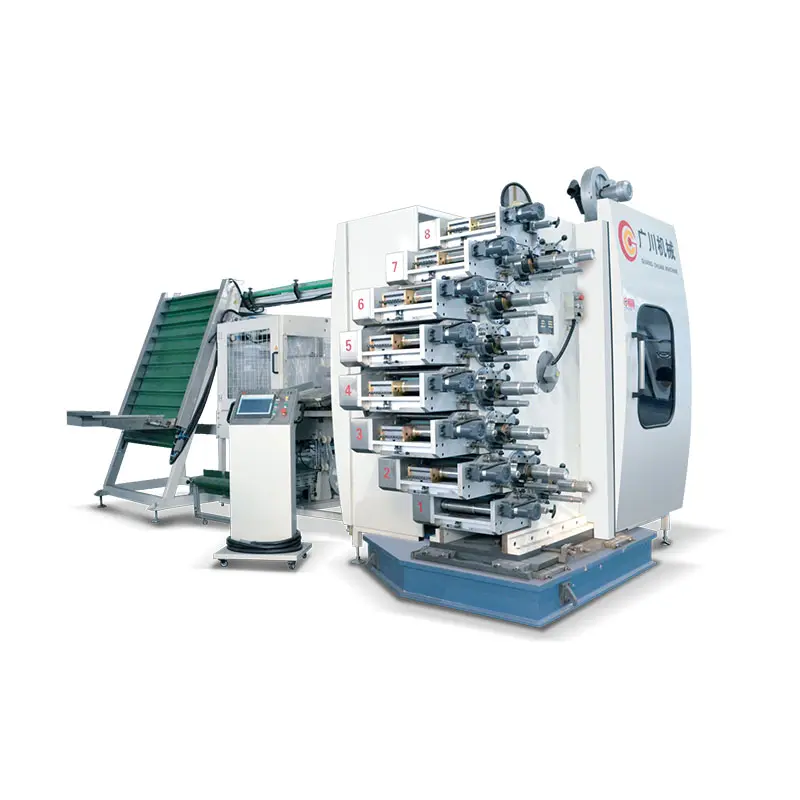
The break even point for these plastic cup priting machines is basically determined by the number of printed cups that need to be sold before recouping the original investment cost. For semi automatic models priced between fifty thousand to eighty thousand dollars, most businesses hit their break even point after manufacturing around two hundred thousand to three hundred thousand cups. This usually takes about twelve to eighteen months when working with typical industry pricing margins. When it comes to fully automated systems costing anywhere from one hundred twenty thousand up to two hundred thousand dollars, they tend to pay themselves back much quicker once production scales up. Operations that manage to produce over eight million cups each year might actually see their costs covered within eighteen to twenty four months because these machines can produce forty percent more output while wasting thirty percent less materials compared to traditional methods. And let's not forget about those energy savings either, somewhere between two cents and four cents saved per cup, plus improved labor efficiency all contribute to getting back that initial investment faster than expected.
ROI modeling framework: Key inputs (price, volume, markup) and realistic assumptions
Accurate ROI projections hinge on three core variables: cup selling price, production volume, and markup structure. The table below compares manual and automated systems across critical cost drivers:
| Cost Factor | Manual System | Automated System | Impact on ROI |
|---|---|---|---|
| Upfront Investment | $65k | $160k | Longer payback period for automation |
| Labor Cost/1,000 Cups | $8.50 | $2.10 | 75% reduction with automation |
| Material Waste | 12% | 8% | 33% improvement in yield |
The volume sweet spot matters quite a bit when choosing equipment. For operations producing under 50,000 items each month, semi automatic machines tend to give better financial results most of the time. When production jumps above half a million per month though, automated systems start making sense economically, cutting down on labor costs by around 70% across five years according to industry data. Don't forget to factor in those hidden costs either. Ink alone can run between fifteen and twenty five dollars per kilogram. Maintenance typically eats up three to five percent of what was paid for the machine initially. And then there's electricity which averages about seven hundred forty dollars annually. Leaving any of these out will likely make return on investment look better than it actually is, sometimes by as much as twenty two percent according to Packaging Digest from last year.
Total Cost of Ownership (TCO) Over 5–10 Years
Upfront investment vs. recurring costs: machine, ink, blanks, maintenance, and energy
TCO extends far beyond the purchase price. While upfront investment ranges from $20k (entry-level) to $80k (industrial semi-auto), recurring operational costs compound significantly over time:
- Ink & consumables: $0.02–$0.05 per cup
- Blank cups: $0.03–$0.08 per unit
- Annual maintenance: 7–12% of machine cost
-
Energy consumption: $1,200–$2,500 yearly
Neglecting these inflates long-term TCO by 40–60%. Labor for loading/unloading adds another $8,000–$15,000 annually—especially relevant for semi-automated or manual workflows.
Depreciation, consumables lifespan, and service contract impact on long-term TCO
Depreciation schedules (typically 5–7 years) shape tax strategy and replacement timing. Critical lifecycle factors include:
| Factor | Impact on TCO | Mitigation Strategy |
|---|---|---|
| Print head lifespan (50k–200k cups) | +$3k–$8k per replacement | Opt for ceramic nozzles |
| Service contracts ($1,500–$4,000/yr) | Reduces downtime by 30% | Negotiate volume-based pricing |
| Residual value (15–25% after 5 years) | Lowers net ownership cost | Prioritize modular, upgradeable designs |
Over a decade, service contracts typically reduce net TCO by 22% versus pay-per-repair models—but overspending on unnecessary coverage tiers can increase TCO by up to 18%.
Profitability Thresholds: Volume, Pricing, and Market Fit
Minimum viable production volume to achieve sustainable margins
Profitability requires surpassing a critical production threshold. Most operators need consistent output of 5,000–8,000 units monthly to absorb fixed costs (depreciation, labor) while sustaining 30–40% gross margins. Below this, per-unit costs rise sharply—especially with specialty inks ($0.02–$0.05/ml) and premium blanks ($0.08–$0.12/unit). For example:
- At 3,000 cups/month: Average production cost often exceeds $0.28/cup
- At 7,000 cups/month: Costs drop to $0.18/cup through amortization and improved throughput
Break-even typically occurs within 14–18 months when selling custom cups at $0.35–$0.55/unit.
Demand drivers: Promotional campaigns, corporate gifting, and event-based cup orders
Three high-potential markets drive demand:
- Promotional campaigns: Brands allocate 15–20% of marketing budgets to drinkware (Statista 2023), with custom cups delivering 34% higher brand recall than generic promotional items
- Corporate gifting: 70% of businesses prioritize reusable branded merchandise; custom cups represent 28% of those orders
- Events: Stadiums and festivals order 10,000–50,000 units seasonally, with profit margins spiking 22% during peak summer months due to volume discounts on blanks
Seasonal demand variability demands disciplined inventory planning—oversupply during off-peak periods can inflate storage costs by 18%.
Automation Benefits: Labor Savings and Scalability Realities
Labor cost reduction per unit and FTE productivity gains with plastic cup printing machines
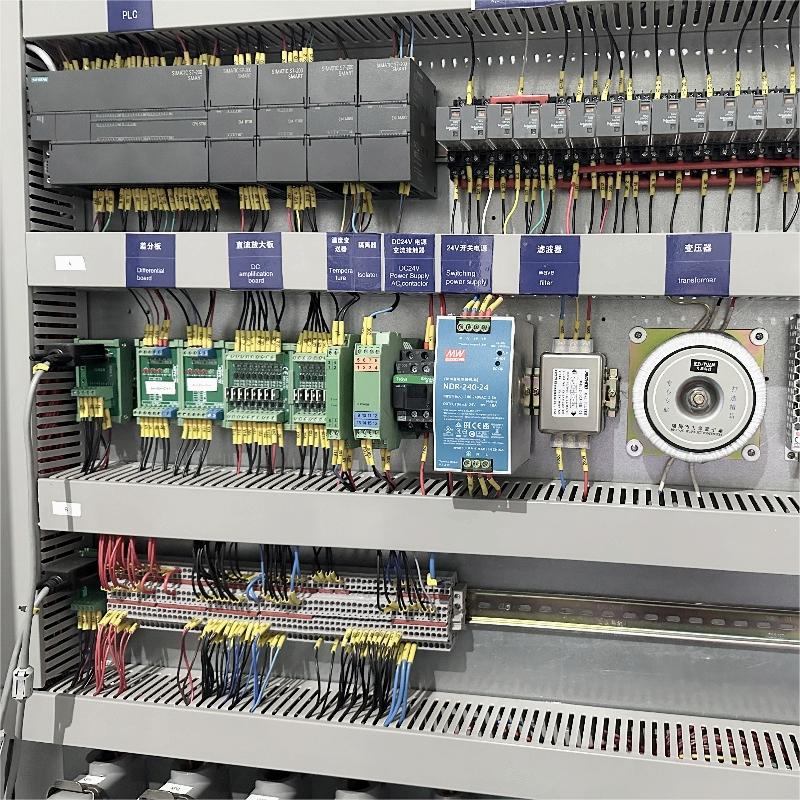
Plastic cup printing machines that are automated can reduce labor costs anywhere from 30 to 50 percent per unit compared to doing things manually. This happens mainly because they take care of all those boring repetitive tasks like handling, aligning cups, and checking for defects that human workers would otherwise have to do over and over again. One person operating these machines can actually handle four to seven times more production across several units at once while keeping defect rates below half a percent even when running nonstop for hours on end. Mid sized manufacturers making between fifty thousand and one hundred thousand cups each month typically see around eighteen thousand to thirty two thousand dollars saved every month just on labor costs alone without having to sacrifice anything in terms of product quality or how consistently good their cups look from batch to batch.
When automation backfires: Balancing scalability with startup demand volatility
When companies automate too much before they need it, they end up spending money unnecessarily because their production capacity exceeds what customers actually want. Startups especially get burned by this problem. Think about how seasons change or when big companies suddenly cancel orders – all those expensive machines just sit there doing nothing. Maintenance alone costs around $15k every year plus equipment loses value over time. Once utilization drops below about 40%, these fixed expenses start eating into profits fast. A smarter approach? Grow gradually instead of going all in on automation from day one. Start with systems that can handle regular volumes without breaking the bank, then upgrade to full automation only after seeing at least twelve months of steady orders coming in. This keeps cash available for other needs and means sudden surges in demand can be handled with extra workers rather than buying more stuff that might gather dust later on.
FAQ Section
What is the breakeven point for a plastic cup printing machine?
The breakeven point is the number of printed cups that need to be sold to cover the initial investment cost. For semi-auto machines priced between $50k to $80k, it ranges from 200,000 to 300,000 cups. Fully automated systems, costing between $120k to $200k, can achieve breakeven faster with production scaling up.
How does automation impact ROI in plastic cup printing?
Automation generally shortens the payback period by reducing labor costs by up to 75% and improving material yield by 33%. However, a higher upfront investment is required, and automation becomes economically sensible at higher production volumes.
What are the key inputs for ROI modeling in cup printing?
ROI modeling relies on cup selling price, production volume, and markup structure. Each of these factors helps in determining the profitability and payback timelines of both manual and automated systems.
What recurring costs influence the total cost of ownership (TCO)?
Recurring costs include ink and consumables, blank cups, annual maintenance, and energy consumption. Together, these can inflate long-term TCO by 40–60%. Proper planning with these factors in mind can help in better financial forecasting.
How does production volume affect profitability in cup printing?
To achieve sustainable margins, most operations need to maintain a consistent production output of 5,000–8,000 units monthly. Below this, the per-unit costs increase significantly.
What demands drive the use of plastic cup printing machines?
Promotional campaigns, corporate gifting, and events often drive demand, with orders ranging widely in volume. Adjustments in production capabilities according to seasonal variations are essential for cost-effective operations.
Table of Contents
- Understanding True ROI for a Plastic Cup Printing Machine
- Total Cost of Ownership (TCO) Over 5–10 Years
- Profitability Thresholds: Volume, Pricing, and Market Fit
- Automation Benefits: Labor Savings and Scalability Realities
-
FAQ Section
- What is the breakeven point for a plastic cup printing machine?
- How does automation impact ROI in plastic cup printing?
- What are the key inputs for ROI modeling in cup printing?
- What recurring costs influence the total cost of ownership (TCO)?
- How does production volume affect profitability in cup printing?
- What demands drive the use of plastic cup printing machines?