 EN
EN
Thermoforming machine maintenance is critical for manufacturers seeking to maximize equipment longevity, maintain consistent production quality, and minimize costly downtime. Industrial thermoforming operations depend on precision machinery that transforms plastic sheets into finished products through heat and pressure. Without a structured thermoforming machine maintenance program, equipment deterioration accelerates, production efficiency drops, and unexpected failures create operational disruptions. A comprehensive maintenance checklist transforms reactive repairs into proactive care, protecting your investment and ensuring reliable performance across all production cycles.
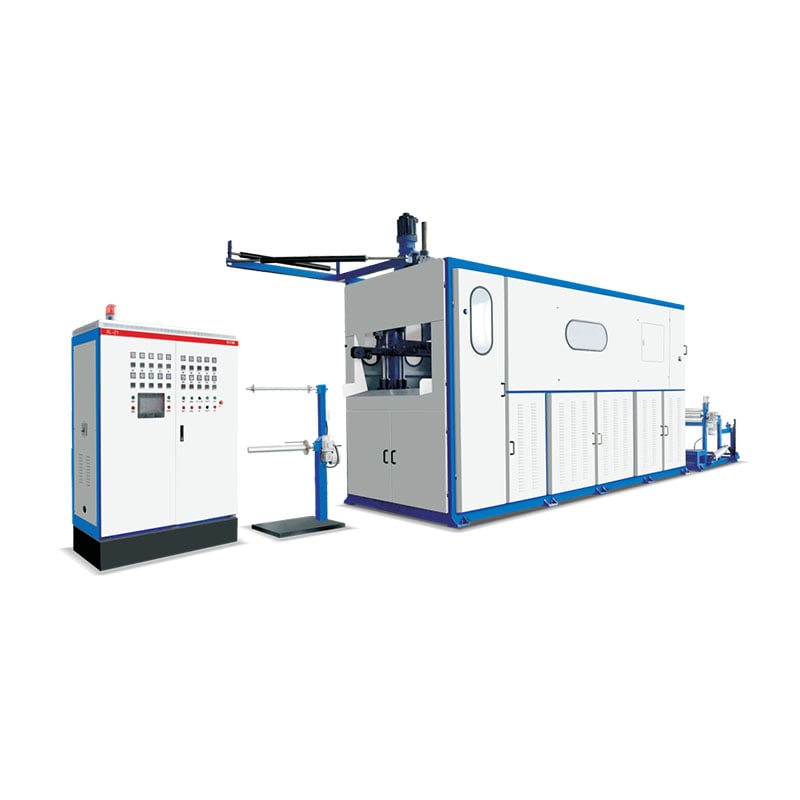
Implementing a daily, weekly, and monthly thermoforming machine maintenance routine prevents component wear, extends equipment lifespan by years, and protects production quality. This guide provides an actionable thermoforming machine maintenance checklist specifically designed for manufacturing facilities operating continuous or semi-continuous thermoforming lines. Whether you operate single-station machines or multi-cavity systems, following this structured approach to thermoforming machine maintenance reduces repair costs, improves uptime, and maintains competitive production capacity.
Daily Thermoforming Machine Maintenance Tasks
Visual Inspection and Operational Monitoring
Daily thermoforming machine maintenance begins with a complete visual walkthrough of your equipment before production starts. Check heating elements, cooling systems, and mechanical components for visible damage, loose fasteners, or misalignment. Listen for unusual sounds during startup and monitor temperature readouts to confirm heating systems reach target temperatures consistently. Any deviation from normal operating conditions signals the need for immediate thermoforming machine maintenance intervention before production begins.
Cleaning and Debris Removal
Remove accumulated plastic trim, dust, and debris from forming cavities, conveyor systems, and feed hoppers as part of your daily thermoforming machine maintenance protocol. Plastic residue builds up quickly and interferes with mold function, reducing part quality and straining mechanical components. Clean heating chamber windows and temperature sensors to ensure accurate readings. Proper thermoforming machine maintenance in this area prevents material jams and ensures consistent part thickness throughout production runs.
Weekly Thermoforming Machine Maintenance Procedures
Mechanical Component Lubrication
Weekly thermoforming machine maintenance includes lubricating all moving joints, pivot points, and bearing assemblies according to manufacturer specifications. Apply appropriate food-grade or industrial lubricants to conveyor chains, drive mechanisms, and clamp assemblies. Proper lubrication prevents friction-related wear, reduces noise, and ensures smooth mechanical operation. Neglecting this thermoforming machine maintenance step accelerates component degradation and increases power consumption, reducing overall equipment efficiency.
Heating and Cooling System Verification
Test heating zone performance across all thermoforming machine maintenance checkpoints by recording temperature stability over a full production cycle. Verify that cooling fans operate at full capacity and that cooling lines are clear of blockages. Check hydraulic or pneumatic pressure gauges to confirm systems maintain rated specifications. Consistent thermoforming machine maintenance of thermal systems prevents uneven part formation, reduces scrap rates, and maintains product quality standards.
Monthly Deep Thermoforming Machine Maintenance Activities
Filter Replacement and Fluid Analysis
Monthly thermoforming machine maintenance requires replacing or cleaning air intake filters and checking hydraulic fluid levels and condition. Contaminated filters restrict airflow and force systems to work harder, while dirty hydraulic fluid damages seals and precision components. Drain and inspect hydraulic reservoirs for sludge accumulation as part of comprehensive thermoforming machine maintenance protocols. Replace cooling water if your system uses open-loop cooling, and test water chemistry in closed-loop systems to prevent scale buildup.
Electrical Connection and Safety System Testing
Monthly thermoforming machine maintenance includes inspecting all electrical connections, control panel wiring, and emergency stop circuits for corrosion or loose terminals. Test interlock switches and safety guards to ensure they function correctly and stop the machine when required. Check power distribution boxes for signs of overheating or arcing. Regular thermoforming machine maintenance of electrical systems prevents safety hazards, reduces fire risk, and ensures compliance with workplace safety regulations.
Seasonal and Annual Thermoforming Machine Maintenance Requirements
Major Component Inspection and Replacement Planning
Quarterly and annual thermoforming machine maintenance should include detailed inspection of heating elements, ceramic bands, and thermal insulators for degradation. Replace thermocouples that show erratic readings, as temperature measurement accuracy directly impacts part quality and thermoforming machine maintenance effectiveness. Document component wear patterns to predict replacement needs and plan maintenance windows during lower production periods. Strategic thermoforming machine maintenance scheduling minimizes production losses while ensuring critical components remain reliable.
System Calibration and Performance Benchmarking
Comprehensive thermoforming machine maintenance annually includes recalibrating forming pressure sensors, temperature controllers, and product thickness measurement systems. Compare current performance metrics against baseline specifications to identify gradual efficiency losses. Check forming vacuum levels and verify mold heating uniformity across all forming stations. This thermoforming machine maintenance approach reveals subtle performance degradation before it impacts product quality or causes unexpected equipment failures.
Common Issues Addressed Through Preventive Thermoforming Machine Maintenance
Temperature Control Problems and Heat Distribution
Inconsistent thermoforming machine maintenance often leads to uneven heating, causing thick spots, thin walls, and dimensional inconsistencies in finished parts. Proper thermoforming machine maintenance includes regular heating element inspection, thermal imaging during production runs, and insulation replacement when needed. Addressing temperature control through structured thermoforming machine maintenance prevents product defects and maintains batch consistency across production campaigns.
Vacuum System Degradation and Mold Extraction
Vacuum pump performance directly affects forming quality, and consistent thermoforming machine maintenance of vacuum systems is essential for reliable operation. Check vacuum gauges regularly, replace pump filters, and inspect hose assemblies for leaks as part of thermoforming machine maintenance routines. Degraded vacuum extraction leads to incomplete part formation and increased scrap rates. Preventive thermoforming machine maintenance catches vacuum system problems early before they compromise production quality.
Documentation and Record-Keeping for Thermoforming Machine Maintenance
Maintenance Log and Trend Analysis
Maintain detailed records of all thermoforming machine maintenance activities, component replacements, and performance observations to track equipment health over time. Document part defects, temperature variations, and unexpected stoppages to identify patterns requiring corrective thermoforming machine maintenance actions. Trend analysis reveals recurring issues that merit deeper investigation or component redesign. Organized thermoforming machine maintenance records support warranty claims, guide equipment upgrade decisions, and justify maintenance budget requirements.
FAQ
How often should thermoforming machine maintenance be performed?
Thermoforming machine maintenance should follow a structured schedule: daily visual inspections and cleaning, weekly lubrication and thermal system checks, monthly filter replacement and electrical testing, and quarterly or annual deep maintenance including component inspection and system calibration. The specific frequency depends on production volume, machine age, and manufacturer recommendations. Increasing thermoforming machine maintenance frequency during peak production seasons prevents failures and maintains consistent output quality.
What are the most critical thermoforming machine maintenance priorities?
Priority thermoforming machine maintenance focuses on heating and cooling systems, vacuum pump functionality, and mechanical component lubrication, as these directly impact part quality and equipment lifespan. Temperature control consistency is essential because even minor thermal variations affect product thickness and dimensional accuracy. Regular thermoforming machine maintenance of these critical systems prevents the majority of unplanned downtime and protects product quality standards.
Can inadequate thermoforming machine maintenance reduce equipment lifespan?
Yes, poor thermoforming machine maintenance dramatically shortens equipment lifespan by allowing preventable wear to accelerate unchecked. Skipping lubrication increases friction and component stress, while neglecting thermal system maintenance leads to overheating and material degradation. Equipment that should operate reliably for ten to fifteen years may fail within five years without consistent thermoforming machine maintenance. Investing in thermoforming machine maintenance programs protects your capital investment and extends operational value significantly.
Table of Contents
- Daily Thermoforming Machine Maintenance Tasks
- Weekly Thermoforming Machine Maintenance Procedures
- Monthly Deep Thermoforming Machine Maintenance Activities
- Seasonal and Annual Thermoforming Machine Maintenance Requirements
- Common Issues Addressed Through Preventive Thermoforming Machine Maintenance
- Documentation and Record-Keeping for Thermoforming Machine Maintenance
- FAQ