 EN
EN
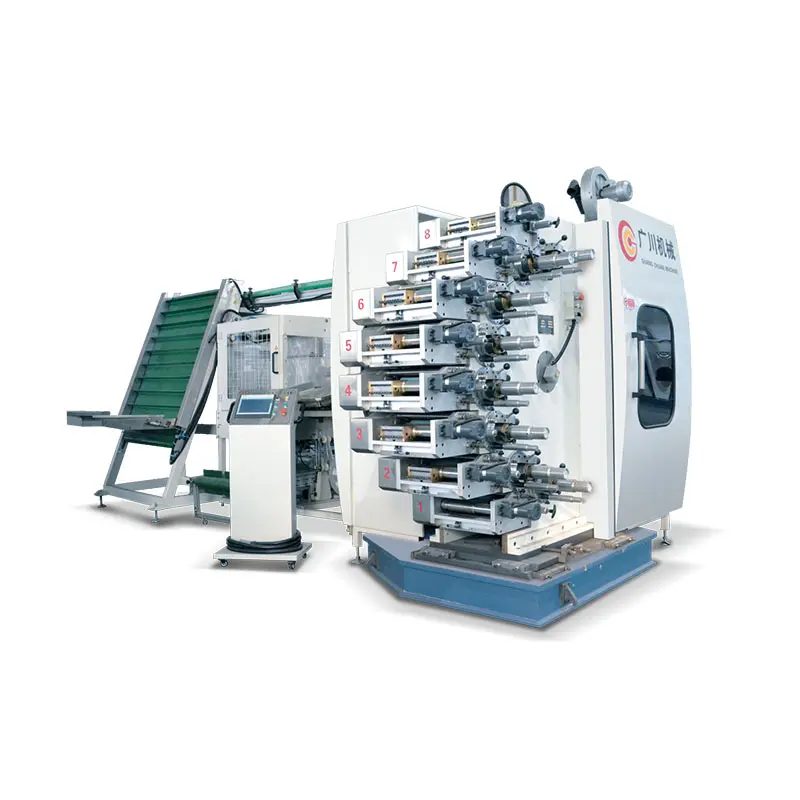
Driving Innovation in Packaging Design and Branding about Plastic Cup Printing Machine
How Plastic Cup Printing Machines Transform Packaging Design and Branding
The latest plastic cup printing tech lets brands get creative with intricate graphics and tiny text details that match what's hot in packaging for 2025, especially when it comes to standing out on store shelves. According to recent market research (ADMPP 2025), around 78 percent of shoppers tend to come back to companies that offer customized packaging options. This means food service businesses can now crank out different designs in bulk without slowing down their production lines. Think seasonal themes, special edition cups, or even localized marketing efforts all while keeping up with regular output demands.
Digital Inkjet Printing on Plastic Cups: A Leap in Precision and Detail
High-resolution digital inkjet systems achieve 1,200 dpi clarity on curved surfaces, reproducing gradients and fine lines previously unattainable with analog methods. This precision supports consistent brand identity through accurate color matching (ΔE < 2) across multiple production runs, a critical factor for visual coherence in franchise operations and national rollouts.
Integration of Printing Systems With Production Lines for Seamless Output
Leading manufacturers offer printing modules that synchronize with cup thermoforming machines at 120–150 cycles per minute. Equipped with real-time quality cameras and automated ink viscosity control, these systems maintain defect rates below 0.2%, enabling inline customization without intermediate buffering. As a result, design-to-production timelines shrink from weeks to hours.
Printing Machines Promote Innovative and Personalized Packaging Development
By combining CMYK+White and specialty inks like metallic or thermochromic formulations, plastic cup printing machines support interactive packaging concepts. For example, the T8-SS model enables dual-function prints where QR codes coexist with UV-reactive artwork—all applied in a single pass—merging marketing functionality with aesthetic innovation efficiently.
Enhancing Automation and Production Efficiency
Modern plastic cup printing machines have transformed manufacturing workflows by addressing labor constraints and production bottlenecks. Automation reduces human error by up to 57% and cuts labor costs by 34% compared to manual processes (Packaging Efficiency Report, 2023), while enabling tighter operational control and faster output.
Automation in Cup Printing Reduces Labor Costs and Human Error
Automated printheads equipped with optical sensors self-correct registration issues in real time, eliminating the need for manual intervention. This level of accuracy is essential in foodservice, where branding consistency directly impacts consumer trust. One operator can now manage 8–10 machines simultaneously, significantly reducing staffing demands.
High-Speed Cylindrical Printing Machines Enable Mass Production Scalability
Rotary-fed systems produce up to 2,400 cups per hour—triple the throughput of flatbed printers—meeting surges in demand for seasonal products without facility expansion. The cylindrical configuration ensures full 360° print coverage in one pass, preserving image quality even at maximum speeds.
Cost Efficiency and Production Scalability Through Machine Optimization
Advanced print engines with dynamic viscosity control reduce ink waste by 22%, while energy recovery systems repurpose 65% of heat generated during UV curing, lowering utility expenses. These efficiencies make small-batch production economically viable, supporting the growing trend toward limited-edition and localized packaging.
Key Technological Advancements in Plastic Cup Printing Machine Technology
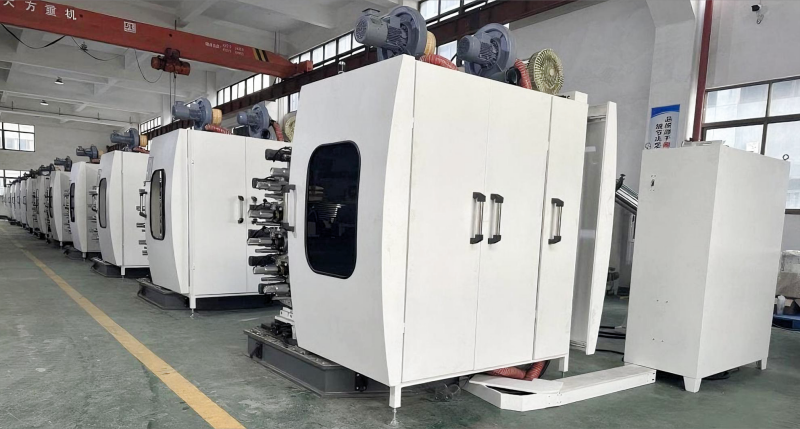
Comparison of Screen Printing on Plastic Cups vs. Flexographic Printing Machines
Screen printing works well for small print jobs because setup costs are pretty low, usually less than $500 for simple designs. However, it doesn't scale very well for larger volumes. Flexographic printing takes over when production needs get big, capable of cranking out over 1,200 cups every minute while maintaining registration accuracy below 0.1 mm. A recent study from Printing Technology Experts back in 2025 found that companies using flexo systems save about 34 cents per unit on orders above 50,000 pieces. These savings really add up for manufacturers looking at large scale operations.
Machine Models for Plastic Cup Printing (e.g., T8-SS, F1-DC) and Their Capabilities
The T8-SS model comes equipped with two UV curing stations that let it handle full color CMYK plus printing achieving around 95% opacity on polyethylene and polypropylene materials all in one go through the press. For the F1-DC series, there's this neat feature called dynamic ink viscosity control which actually helps cut down material waste by about 18% when running long production batches. What's interesting is both these machines can do variable data printing at 120 dots per inch resolution. That means they can print unique serial numbers or embed QR codes right into products as they move along the production line without having to slow things down at all.
Innovations in Printing Press Technology by Leading Manufacturers
Modern servo driven systems can sync printing stations down to under 5 milliseconds, which stops those annoying ghost images even when running over 1500 cups an hour flat out. The color matching gets a boost from AI these days, comparing Pantone standards on the fly so colors stay spot on batch after batch, typically hitting below Delta E 2 standards most of the time. Many setups mix things up by combining rotary screen printing for those shiny metallic finishes with flexo stations handling the halftones. This hybrid approach lets brands create really interesting textures and depth right there in one machine, though getting all those different technologies to work together smoothly takes some careful setup.
Strengthening Branding and Supply Chain Control Through In-House Printing
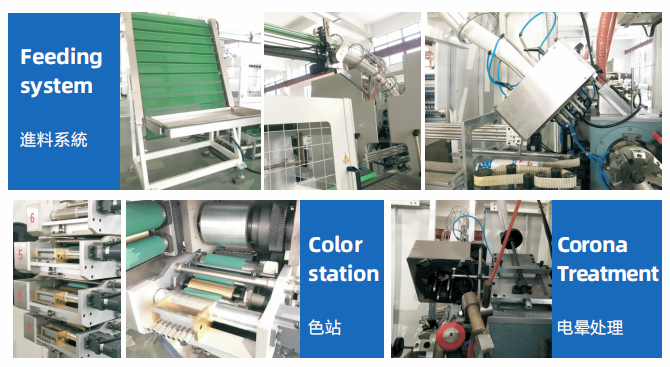
Customization of disposable cups for branding enhances consumer engagement
When companies invest in plastic cup printing machines, they're not just making drinkware anymore but turning ordinary cups into walking advertisements for their brands. Studies from Packaging Design Review back this up, showing these printed cups can actually increase brand recognition by around 35%. The real magic happens when businesses create special edition designs themselves during holidays or events. These custom cups get shared online way more often than regular ones too, with some data suggesting people share them about 2.3 times as much on social media platforms. Having full control over what gets printed means companies can quickly jump on trends happening locally or nationally, like adding local landmarks or referencing popular culture references that resonate with specific communities.
In-house plastic cup printing benefits: Control, speed, and exclusivity
Bringing printing in-house slashes approval cycles from weeks to hours and ensures 99.8% batch-to-batch color accuracy. Companies report 40% faster fulfillment and 30% lower per-unit costs after internalizing production. The flexibility supports concurrent runs of standard items and custom promotions—no minimum order quantities required.
Supply chain resilience through in-house printing reduces dependency on third parties
Vertical integration mitigates risks associated with external decorators, particularly amid ongoing logistics disruptions—68% of which involve port congestion (Global Trade Analysis, 2023). One juice bar chain cut lead times by 65% after installing on-site printers, while retaining full intellectual property control over proprietary designs.
Trend: End-to-end integration of plastic cup production process with real-time monitoring
Leading producers are combining cup molding processes with inline printing and quality checks all within one seamless workflow that's constantly monitored using those industrial IoT sensors we hear so much about these days. The whole setup cuts down on waste quite substantially when defects get caught right away, maybe around 20 something percent reduction according to industry reports. Plus companies can tweak their stock levels almost instantly as sales numbers come in from different channels. Sustainability is another big plus too since the system keeps tabs on exactly how much material gets used throughout production runs while making sure machines aren't guzzling unnecessary power during off hours or idle periods.
FAQ
What are the benefits of using plastic cup printing machines?
Plastic cup printing machines allow brands to create distinctive packaging with intricate designs, enhance brand identity, reduce labor costs through automation, and ensure fast, high-quality production scalability.
How do digital inkjet printing systems improve brand consistency?
These systems provide high-resolution prints with accurate color matching, ensuring consistent brand identity across various production runs, which is particularly important for franchise operations.
Can in-house printing reduce production costs?
Yes, in-house printing reduces approval cycles, ensures color accuracy, and can decrease per-unit costs significantly, providing greater control and speed over production processes.
What technological advancements have been made in plastic cup printing machine?
Advancements include digital inkjet systems, integration with production lines for faster output, specialty inks for innovative designs, and rotary-fed systems for high-speed mass production.
Table of Contents
- Driving Innovation in Packaging Design and Branding about Plastic Cup Printing Machine
- Enhancing Automation and Production Efficiency
- Key Technological Advancements in Plastic Cup Printing Machine Technology
-
Strengthening Branding and Supply Chain Control Through In-House Printing
- Customization of disposable cups for branding enhances consumer engagement
- In-house plastic cup printing benefits: Control, speed, and exclusivity
- Supply chain resilience through in-house printing reduces dependency on third parties
- Trend: End-to-end integration of plastic cup production process with real-time monitoring
- FAQ