 EN
EN
Understanding Plastic Cup Printing Machine Types and Core Technologies
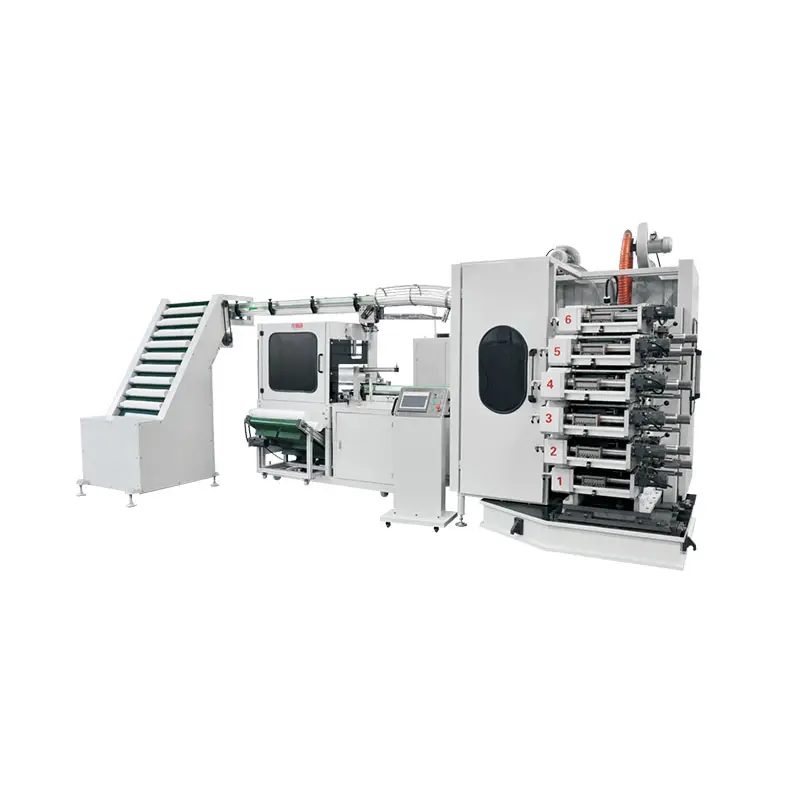
The plastic cup printing machine market breaks down into different categories based on how automated they are, what kind of printing tech they use, and where they fit in production settings. Fully automatic systems basically run themselves most of the time, cranking out between 300 to 600 cups every hour thanks to built-in feeders and curing units that handle everything from start to finish. Then there are semi-automatic versions which still need someone to place each cup manually, but these cost around 40 percent less up front, so they work well when companies just need to print smaller quantities. A recent Packaging Machinery Report from 2024 found something interesting too: when food producers upgrade to full automation, their labor expenses drop by nearly 60 percent and product quality becomes much more consistent across runs.
Flexo printing rules the game when it comes to mass production runs, capable of producing six colors with pinpoint accuracy down to 0.2mm registration. This makes it perfect for those gradient-heavy labels we see on so many drinks these days. Meanwhile, rotary screen printing shines when creating bold, opaque designs on textured surfaces like paper cups. Craft beer and specialty drink makers rely heavily on this method for their seasonal releases, with most small batch producers opting for screen work around 9 out of 10 times. The latest trend in packaging tech brings together the best of both worlds though. New hybrid systems are starting to merge flexo's lightning fast output with screen printing's ability to build up layers, resulting in some seriously detailed images on PETG cups that look almost photographic in quality.
Pad printing works really well for those tricky jobs where cups have odd shapes and curves. The process uses special silicone pads to get detailed logos onto these curved surfaces, and it can hit tolerances as tight as 0.05mm. According to research published in Material Science in Printing, this technique transfers ink at around 98% efficiency when working with polypropylene cups, which beats most competing methods hands down. We're seeing more thermal transfer overprinting modules getting added to pad printing systems these days too. These modules let manufacturers apply sequential batch numbers without having to swap out plates every time, saving both time and money in production runs.
Comparing Automation Levels: Throughput, Labor, and Efficiency
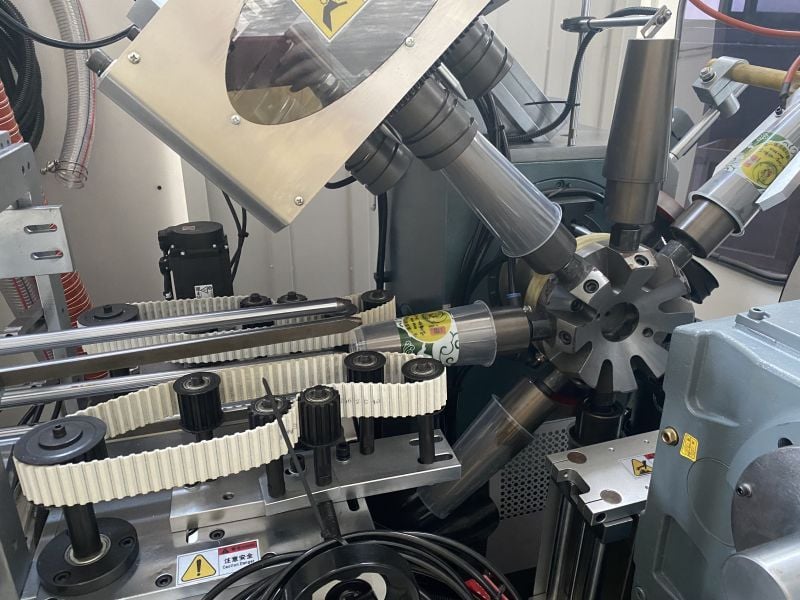
How much automation a system has makes all the difference when it comes to scaling operations and getting things done efficiently. Take fully automatic setups they can churn out over 3,000 cups per hour with just one or maybe two people watching over them. Semi-automatic versions aren't far behind but still lag quite a bit, hitting around 800 to 1,200 cups hourly and needing anywhere from three to five workers handling the loading, unloading, and making sure everything meets quality standards. What really stands out though is the error rate gap between manual work and automation. Manual processes tend to have about 4.2% mistakes on average, whereas automated systems drop that down to roughly 0.8%. For businesses looking to cut costs and improve consistency, this difference in reliability can be a game changer.
| Metric | Semi-Automatic | Fully Automatic |
|---|---|---|
| Labor per 10k cups | 8–12 worker-hours | 1.5–2.5 worker-hours |
| Output consistency | ±6% color variance | ±1.5% color variance |
| Uptime capacity | 75–85% (2-shift operation) | 92–96% (24/7 operation) |
When a mid sized packaging company switched over to automated rotary screen printing machines, they saw their monthly labor expenses drop around $18k while production jumped from what it was before to making 72 thousand cups each day. Getting back the whole investment took just about fourteen months because these machines cut down on wasted materials so much better than manual methods could ever do. The ink gets applied just right every time and defects get caught instantly during production runs. Plus, changing between different jobs happens nearly twice as fast now too something that really matters when companies need to handle all those special customer requests that come in throughout the week.
Matching Printing Technology to Production Scale and Customization Needs
Comparing Screen vs Flexo Printing for Small-Batch and Large-Scale Production
Flexo printing really shines when it comes to mass production, capable of cranking out around 15,000 cups per hour while keeping colors aligned properly and wasting less than 2% ink. The economics start to make sense once production hits over 10,000 items, where each unit costs just 18 cents versus screen printing which typically runs closer to 22 cents per piece for smaller batches below 5,000 units. According to recent market research from 2024, most companies making less than 20k products a month have actually adopted mixed approaches that incorporate both flexo and screen printing methods together.
Advantages of Flexo Printing in High-Speed Cup Decoration and Multi-Color Precision
The latest flexo machines can handle six color process printing at impressive speeds of around 18 meters per minute while keeping registration accuracy within plus or minus 0.1 millimeters. This kind of precision cuts down on setup time significantly too - we're talking about cutting it down by roughly two thirds when compared to those older machines from just a few years back, as noted in last year's Packaging Efficiency Report. And let's not forget about those quick drying UV inks either. They work really well with inline quality control systems these days, which means defects get spotted much faster than what was possible with traditional manual screen printing methods. For manufacturers looking to boost productivity without compromising quality standards, these advancements make all the difference in their day to day operations.
Screen Printing on Cups: Achieving Detail and Customization With Rotary Screen Systems
Rotary screen systems deliver 1200dpi resolution, offering a 40% improvement in detail clarity over flatbed alternatives. They excel in specialty finishes such as metallic inks and 3D varnishes, with 92% of craft beverage producers citing their importance for limited-edition product launches (2022 Custom Packaging Market Analysis).
Trend: Hybrid Adoption of Flexo and Screen Systems for Niche Customization Markets
About a quarter of mid sized cup makers have started combining flexographic printing for basic coatings with screen printing when they need those fancy details on cups. The combination method actually saves time on custom orders, cutting down production by around 18 hours on average. Plus companies report using about 12 percent less ink than traditional screen printing alone would require. A small beverage company recently saw their orders jump nearly 40 percent last year while sticking with their current setup thanks to this dual printing strategy. They didn't need any new machines despite handling all those extra requests.
Ensuring Print Quality, Durability, and Material Compatibility
Evaluating Print Durability, Ink Resistance, and Washing Performance
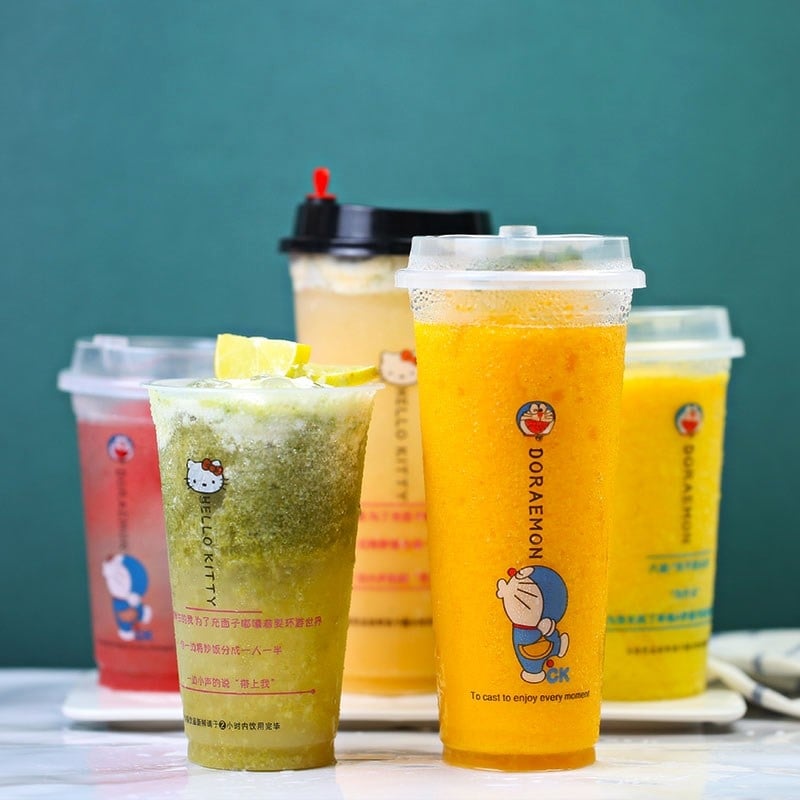
Print durability significantly influences brand perception and customer satisfaction. A 2023 beverage packaging study found that screen-printed designs retain 95% color integrity after 50+ commercial wash cycles when abrasion-resistant inks are used. Key performance benchmarks include:
- Scrub resistance: Minimum 5,000 cycles (ASTM D2486 standard)
- Chemical exposure: 72-hour testing with acids, alkalis, and alcohol solutions
Printing on Plastic Materials: Adhesion Challenges and Surface Treatment Needs
Polymers like PP and PET present adhesion challenges without surface treatment. Corona discharge (40–50 dyne/cm²) improves bond strength by 60% over untreated surfaces, as shown in recent material compatibility research. Leading manufacturers now integrate plasma treatment modules directly into printing lines for inline processing, enhancing adhesion and throughput.
Principle: UV Curing and Ink Formulation Impact on Long-Term Print Integrity
UV-cured inks offer 30% better abrasion resistance than solvent-based alternatives in accelerated aging tests (2024 plastic decoration benchmarks). Critical formulation factors include:
- Photoinitiator concentration (2–5% by weight)
- Viscosity control (3,000–5,000 cP at 25°C)
- Pigment particle size (<5 μm for sharp details)
UV curing reduces VOC emissions by 80% and achieves full cure in under one second—dramatically faster than the 4–8 hours required for air-dried systems.
Aligning Machine Investment with Business Scale and Growth Strategy
Matching machine type to business scale and production volume
Businesses producing under 5,000 cups daily benefit most from semi-automatic systems, while high-volume operations (>20,000 cups/day) require fully automated lines. A 2023 Packaging Digest analysis shows automated systems cut labor costs by 62% compared to manual operations, though they demand 2.8x higher initial investment. Recommended configurations:
| Business Scale | Recommended Machine Type | Avg. Throughput | Labor Needs |
|---|---|---|---|
| Startups (<1k cups/day) | Manual/Semi-Auto | 200–500 cups/hr | 3–5 operators |
| Mid-Sized (1k–10k/day) | Semi-Automatic with Auto Feed | 800–1,200/hr | 2–3 operators |
| Large-Scale (>10k/day) | Fully Automated Line | 3,000–8,000/hr | 1 monitoring operator |
Assessing customization needs, color capacity, and future scalability
Modular printing setups make it possible to upgrade from four to eight color stations without having to buy completely new machines, which helps operations stay adaptable as needs change over time. Screen printing works well for intricate designs but can only manage around 1500 cups per hour maximum. Flexographic printing systems are much faster though, hitting about 6000 cups an hour and handling up to six different colors. Companies expecting their business to grow by more than 30% each year should look at equipment that has roughly 40% extra capacity built in. This kind of planning keeps them from needing another major investment too soon down the road when demand inevitably increases.
Strategy: Phased investment approach for startups entering custom cup manufacturing
Startups should prioritize convertible machines capable of both screen and flexo printing. A phased investment strategy proves effective:
- Initial Stage: Manual machine for proof-of-concept batches ($8k–$15k)
- Growth Phase: Add auto-feeder and UV curing module (+$22k)
- Scaling: Integrate PLC controls for consistent color matching (+$35k)
The 2024 Flexible Packaging Report notes that startups using this tiered approach achieve 19% faster ROI than those investing in high-end systems upfront. Strategic planning should align machine capabilities with projected order volumes over a 3–5 year horizon.
Frequently Asked Questions
What is the main advantage of automatic plastic cup printing machines?
Automatic machines significantly reduce labor costs and increase production efficiency compared to manual processes, resulting in better quality control and higher throughput.
How do flexo and screen printing differ in terms of production scale?
Flexo printing is ideal for large-scale production, allowing higher speeds and lower costs per unit for batches over 10,000 items. Screen printing is preferred for smaller, customized batches under 5,000 units.
What are the benefits of UV-cured inks in plastic cup printing machine?
UV-cured inks offer superior abrasion resistance, faster curing times, and reduced VOC emissions, enhancing both print durability and environmental impact.
Why is surface treatment important in printing on plastic materials?
Surface treatments like corona discharge enhance adhesion, ensuring ink remains bonded securely to materials like PP and PET during and after printing.
Table of Contents
- Understanding Plastic Cup Printing Machine Types and Core Technologies
- Comparing Automation Levels: Throughput, Labor, and Efficiency
-
Matching Printing Technology to Production Scale and Customization Needs
- Comparing Screen vs Flexo Printing for Small-Batch and Large-Scale Production
- Advantages of Flexo Printing in High-Speed Cup Decoration and Multi-Color Precision
- Screen Printing on Cups: Achieving Detail and Customization With Rotary Screen Systems
- Trend: Hybrid Adoption of Flexo and Screen Systems for Niche Customization Markets
- Ensuring Print Quality, Durability, and Material Compatibility
- Aligning Machine Investment with Business Scale and Growth Strategy
- Frequently Asked Questions