 EN
EN
Core Differences in Automation: How Automatic and Semi-Automatic Plastic Cup Printing Machines Work
Defining Semi-Automatic vs Fully Automatic Plastic Cup Printing Machines
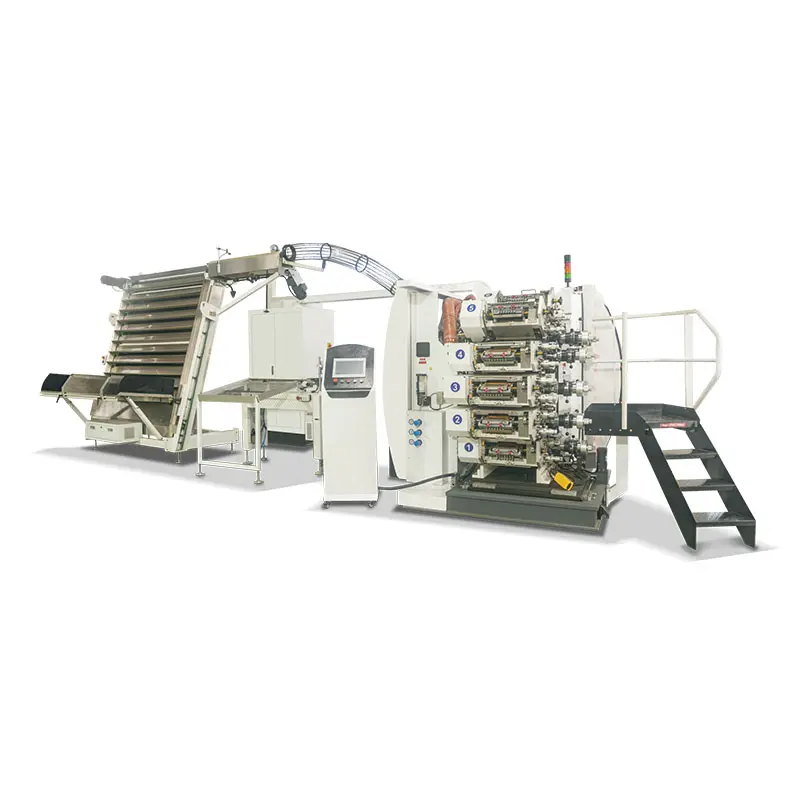
Semi automatic plastic cup printing machines mix manual work with some automation for printing and drying. Operators still need to handle loading and unloading of the cups themselves, but the machine takes care of applying ink and getting it cured properly. Fully automatic versions are different though they rely on robots and conveyor belts to handle everything from start to finish without any human hands involved at all. Industry data shows these automatic machines can crank out around 5,000 cups each hour, whereas semi automatic ones usually max out at about 1,200 cups per hour when there are two or three people working them. The difference matters a lot in production settings where speed counts.
Level of Automation, Operational Speed, and System Integration
The way automation affects production speed is pretty straightforward when looking at plastic cup printing operations. Take fully automatic machines for instance these have synchronized print stations working alongside continuous drying tunnels that allow them to run constantly without stopping, which cuts down on cycle times considerably. On the flip side, semi automatic systems require workers to move products manually from one stage to another, and this creates real problems with throughput speeds often dropping around two thirds compared to fully automated lines. What makes automatic systems even better is their built in quality sensors that catch mistakes much faster than what happens with semi automatic equipment. These sensors actually cut error rates by roughly a third according to industry observations, meaning fewer defective cups end up being produced and overall product quality stays consistent across batches.
Operator Involvement and Its Impact on Production Workflow
With semi automatic systems, operators need to stay hands on throughout the process, especially when it comes to aligning cups and making those little tweaks to designs. This gives them more freedom to handle special orders or complicated prints that just won't work with standard settings. The downside? All that manual work can really slow things down and create inconsistencies between batches. On the flip side, fully automatic machines cut down on labor requirements, though they come with their own headaches since any design change means going back through all the programming from scratch. Most shops find that semi automatic equipment works best for smaller production runs where each job is different, whereas the big volume stuff tends to go smoother on automatic lines once everything is set up properly.
Production Efficiency and Output Capacity Compared
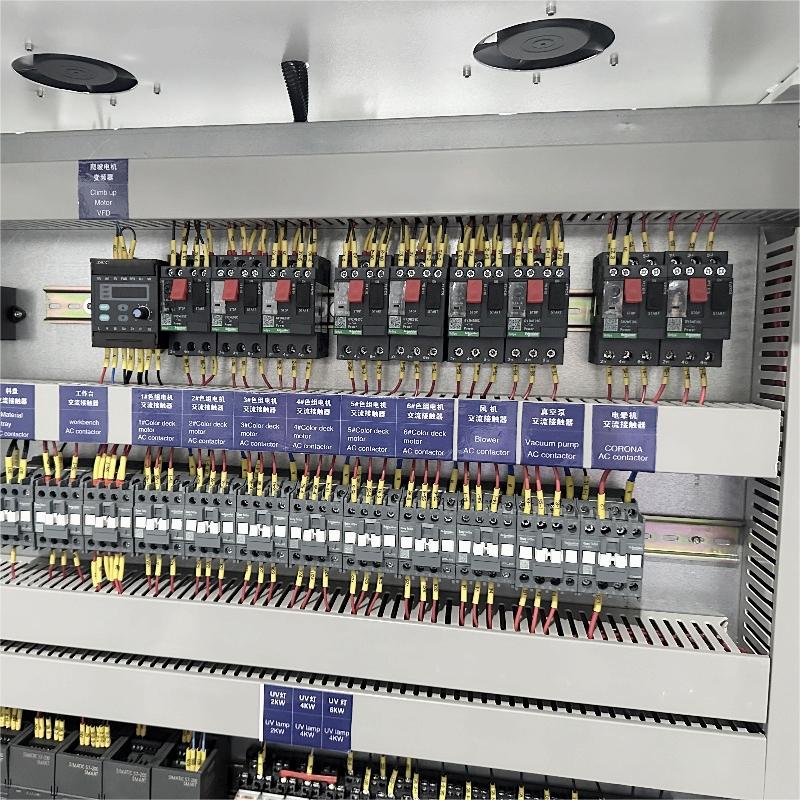
High-Volume Output Potential of Automatic Plastic Cup Printing Machines
Automatic plastic cup printing machines really shine when it comes to running non-stop without needing people to step in for things like changing plates during operation. This means production just keeps going without any breaks. According to various industry reports, most modern systems manage around 90-95% resource usage efficiency because they come equipped with built-in quality checks and components designed to save power. What sets these machines apart is their continuous operation capability, which explains why so many big manufacturers rely on them for mass production needs where maintaining steady output matters a lot for meeting customer demands.
Output Variability in Semi-Automatic Systems Under Different Labor Conditions
Semi-automatic systems face significant output fluctuations due to human factors. Average daily downtime reaches 1.32 hours, and operator fatigue can reduce productivity by up to 32% during extended shifts. While experienced technicians can optimize workflows through real-time adjustments, performance remains inconsistent compared to automated alternatives.
Case Study: Performance Comparison at a Leading Manufacturer
A comparative analysis at a major packaging producer highlights key differences in operational efficiency:
| Metric | Automatic System | Semi-Automatic System |
|---|---|---|
| Daily Output Capacity | 242,140 units | 117,650 units |
| Energy Cost/10k Units | RMB 11.12K | RMB 19.56K |
| Labor Hours Required | 2.1 | 8.7 |
Automatic systems demonstrated superior scalability and cost-efficiency for bulk orders. Meanwhile, semi-automatic setups allowed faster changeovers, proving advantageous for short-run, specialty products. These findings align with broader trends observed across mid-sized packaging operations.
Print Quality, Consistency, and the Role of Automation
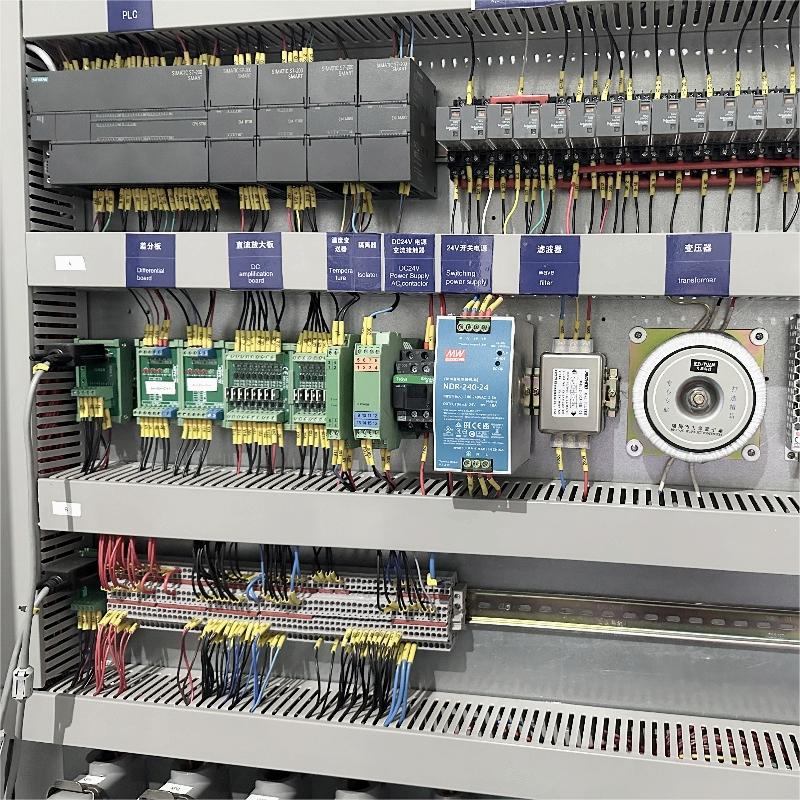
Precision and Repeatability in Automatic Plastic Cup Printing Machine Operations
Automatic plastic cup printing machines achieve ±0.1 mm registration accuracy using servo-driven positioning, ensuring perfect alignment across large batches. Built-in color sensors automatically adjust ink viscosity every 15 minutes, maintaining Pantone-matching precision within ∆E<2. This level of consistency eliminates variation seen in manual processes, especially over long production runs.
Human-Induced Variability in Semi-Automatic Printing Processes
Semi-automatic systems exhibit 12–18% variation in color density during multi-shift operations, primarily due to inconsistent squeegee pressure. Manual plate loading introduces ±0.3 mm positional drift, affecting fine details like gradients. Achieving defect rates below 5% requires 80–120 hours of operator training—a benchmark automated systems meet consistently without supervision.
Built-In Quality Control Features in Automated Systems
Modern automatic machines feature three-tier inspection: laser scanning for substrate flatness (<0.05 mm tolerance), 5MP cameras for artwork verification, and UV intensity monitoring for precise curing. Defective units are rejected at speeds up to 150 cups per minute, preventing downstream waste and ensuring uniform quality throughout extended runs.
The Automation-Quality Paradox: When Manual Oversight Enhances Aesthetics
Despite automation’s precision, artisanal producers report a 23% higher customer preference for manually adjusted prints on textured surfaces. Skilled operators can fine-tune ink deposition to accentuate embossed logos and surface textures—nuances that automated systems struggle to replicate economically for batches under 500 units.
Cost Analysis: Initial Investment vs. Long-Term Value
Semi-automatic plastic cup printing machines offer 40–60% lower initial costs than fully automatic models, making them attractive for small manufacturers. However, their reliance on manual labor increases operating expenses—a facility producing 20,000 cups daily may need three operators, adding approximately $58,000 annually in wages.
Fully automatic systems often exceed $120,000 in initial investment but deliver 72% lower operational costs over five years due to reduced labor, energy efficiency, and minimized material waste. According to economic analyses, automatic machines break even within 18–24 months for businesses producing over 50 million cups annually.
To determine financial viability, manufacturers should calculate:
Break-even output = (Annual automation savings) / (Per-unit manual labor cost)
For operations with stable, high-volume demand, automatic systems provide predictable cost structures and long-term profitability, while semi-automatic models remain viable for variable or low-volume production.
Matching Machine Type to Business Size and Production Needs
Small-Scale Producers: Advantages of Semi-Automatic Systems
Businesses that produce under 10 thousand cups each month might find semi automatic plastic cup printers to be a good starting option. These machines typically cost around 40 to 60 percent less than their fully automated counterparts, which makes them attractive for new ventures and smaller production spaces. What sets them apart is the ability for operators to tweak things like ink flow, how aligned everything is, and drying parameters by hand. This gives quite a bit of leeway when running special batches or testing out new designs. According to what we see in the industry, companies using these systems report setup times for one off orders are roughly 15 to 20 percent quicker. Less downtime means better reaction times when customers want something different from the usual stock items.
Growing Businesses: Scaling Up with Automatic Plastic Cup Printing Machines
Companies producing over 50k units each month tend to hit a wall with semi-automatic equipment pretty fast. The automatic plastic cup printing machines offer around 98% accurate registration even during non-stop operation, which is basically required for those big brand deals. When factories install robotic loaders along with conveyors, they typically need only a quarter of the workforce previously required, so employees can focus on checking quality instead of just running machinery. According to research from last year, many mid-sized producers got their money back on these automated setups between 18 to 24 months after installation thanks to increased production rates by about 40% and cutting down on wasted materials by roughly 30%. Plus, most modern systems come with modular designs that make it easy to expand later on if needed, whether adding UV curing stations or extra color print heads as business demands change.
Customization and Flexibility in Operator-Driven Environments
In many automated plants, semi automatic systems still have their place when dealing with those tricky special jobs. When companies need to produce limited edition items or test out new materials, experienced workers often step in and adjust the machine settings manually. They tweak things like printing pressure, how layers stack up, or get the alignment just right. The best approach seems to mix automation speed (around 400 to 600 cups per hour) with some old fashioned hands on work that luxury brands insist upon. Shops that combine these methods tend to keep customers coming back for custom orders about 22 percent more than places that rely solely on full automation. Makes sense really, since not everything fits neatly into an automated process.
FAQ Section
What is the main difference between automatic and semi-automatic plastic cup printing machines?
Automatic machines rely entirely on automation, handling production from start to finish with minimal human intervention, while semi-automatic machines mix manual labor with automation, requiring operators for tasks like loading and aligning cups.
Which type of plastic cup printing machine is better for high-volume production?
Fully automatic machines are better for high-volume production due to their ability to operate continuously with high efficiency and lower error rates, making them suitable for mass production.
Why might a business choose a semi-automatic machine over an automatic one?
Semi-automatic machines are often chosen by small-scale producers due to their lower initial cost and the flexibility they provide for customizing designs manually, making them suitable for specialized and lower-volume production runs.
What are the cost implications of choosing semi-automatic over automatic machines?
Semi-automatic machines have lower initial costs but higher operating expenses due to manual labor requirements, while automatic machines have higher upfront costs but can provide significant savings in labor and efficiency over time.
How do automatic systems ensureplastic cup printing machine higher print quality consistency?
Automatic systems use built-in sensors and precision mechanisms to maintain consistent alignment and ink viscosity, reducing variation and defects over long production runs.
Table of Contents
- Core Differences in Automation: How Automatic and Semi-Automatic Plastic Cup Printing Machines Work
- Production Efficiency and Output Capacity Compared
- Print Quality, Consistency, and the Role of Automation
- Cost Analysis: Initial Investment vs. Long-Term Value
-
Matching Machine Type to Business Size and Production Needs
- Small-Scale Producers: Advantages of Semi-Automatic Systems
- Growing Businesses: Scaling Up with Automatic Plastic Cup Printing Machines
- Customization and Flexibility in Operator-Driven Environments
- FAQ Section
- What is the main difference between automatic and semi-automatic plastic cup printing machines?
- Which type of plastic cup printing machine is better for high-volume production?
- Why might a business choose a semi-automatic machine over an automatic one?
- What are the cost implications of choosing semi-automatic over automatic machines?
- How do automatic systems ensureplastic cup printing machine higher print quality consistency?