 EN
EN

Match Automatic Packing Machine Type to Packaging Function and Format
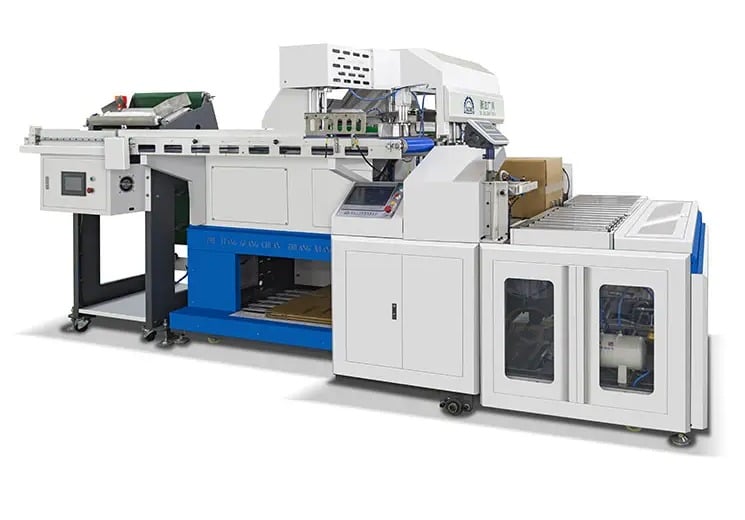
Core Packaging Machine Categories: Filling, Form-Fill-Seal, Cartoning, Sealing, and Palletizing
The world of packaging automation breaks down into about five main functions, each one tied to different points along the production process. The first step involves filling systems that put products into containers with pretty impressive accuracy, usually within half a gram. Then there are those Form-Fill-Seal machines which do three things at once: they create packaging from rolls of material, fill it with product, and then seal everything shut. These work great for stuff like snack foods where volume matters most. Next come cartoners that stand up empty boxes, stuff them full, and snap them shut at rates over sixty units every minute. Sealers follow right after, creating air tight seals that are absolutely necessary for things like medicine or medical supplies. At the very end we find palletizers handling all the heavy lifting, stacking loads weighing as much as eight hundred kilograms an hour with robotic precision. Getting these machines to work together properly without causing delays depends on matching equipment to the right spot in the workflow. Take thermoforming lines for example they need just the right balance between what comes before (filling) and what happens afterward (sealing) to keep everything running smoothly and maintain quality standards throughout.
VFFS vs. HFFS vs. Premade Pouch Machines: Throughput, Flexibility, and Changeover Efficiency
- Vertical Form-Fill-Seal (VFFS): Delivers up to 120 bags/minute but requires 15–30 minutes for format changes—best suited for uniform, dry products like coffee or tea.
- Horizontal Form-Fill-Seal (HFFS): Processes irregular or delicate items (e.g., medical devices) at 80 pouches/minute with gentle handling, reducing product damage by 18% compared to vertical systems.
- Premade Pouch Systems: Enable changeovers in under 5 minutes—25% faster than VFFS—and support complex graphics and structural features, making them ideal for seasonal promotions or limited-edition SKUs.
Throughput favors VFFS for standardized formats; flexibility and speed-to-market favor premade pouches; HFFS strikes a balance where product integrity and moderate volume intersect.
Automatic Plastic Container Thermoforming Machine Applications in Food, Pharma, and Consumer Goods
Thermoforming machines for plastic containers make custom rigid packaging at speeds over 2000 units per hour by heating polymer sheets until they're pliable enough to shape. When it comes to food packaging, these machines craft containers that won't leak, especially useful for things like salad dressings where spillage gets cut down around 90 percent compared to older methods. The pharmaceutical industry relies on them too, forming sterile blister packs complete with built-in child resistance features as required by regulations. Cosmetic brands and makers of luxury products love what these machines can do - creating shiny vacuum formed trays with exact shapes that hold delicate items securely without damage. What really makes these systems stand out is how well they work with existing filling lines, removing the need for people to handle products manually during transfers. That's why about three quarters of food processors who package their own goods see these machines as must haves when dealing with small batches that need quick turnaround times and frequent changes in container design.
Align Specifications with Product Characteristics and Industry Requirements
How product properties—viscosity, flowability, sterility, and temperature sensitivity—drive machine selection
What kind of product we're dealing with really shapes what equipment gets specified for production lines. For thick stuff like sauces and pastes, most plants go with piston fillers that have those heated nozzles to stop things from getting clogged up during operation. Granular materials flow much better through auger fillers, typically keeping weight measurements within about half a gram tolerance range. The pharmaceutical sector has special needs too - temperature sensitive meds often need equipment with nitrogen flush capabilities to keep everything sterile. Electronics manufacturing presents different challenges altogether, where conveyor belts need dampening features to protect delicate components from vibrations. Packaging hot filled items such as soup requires specific machinery setups. Plastic containers made on automatic thermoforming machines absolutely need built in cooling systems to prevent warping when exposed to high temperatures. Most manufacturers run these systems through standard stress tests to ensure they can handle real world conditions without failure.
Regulatory and operational mandates: FDA/USDA compliance, ATEX certification, and modular scalability for e-commerce
The way machines are built often comes down to what the regulations say. For food and drug manufacturing, companies have to use materials approved by the FDA and USDA. Think about those shiny 316L stainless steel surfaces we see in factories. These facilities also need special cleaning systems that leave behind complete records for audits. When dealing with powdery substances like flour, sugar, or chemicals, safety becomes even more critical. Equipment must meet ATEX standards, which means no sparks from motors and proper grounding throughout the system. The rise of online shopping has changed things too. Manufacturers now want machines that can switch between different packaging sizes quickly. Systems designed this way cut down on downtime by around 30% when product lines change frequently. This flexibility helps keep up with fast-moving inventory while still maintaining production speed.
Assess Automation Level, Precision, and Total Cost of Ownership
Labor, accuracy (±0.5g), and reliability trade-offs: automatic vs. semi-automatic packaging systems
Automatic systems can slash labor expenses anywhere from 60 to 80 percent when compared to their semi automatic counterparts, though they do come with bigger upfront costs and need special care for maintenance. When it comes to applications where precision matters most, like making pharmaceutical blister packs, preparing meals with controlled portions, or producing supplements with exact doses, fully automated thermoforming and filling equipment delivers remarkable consistency around plus or minus 0.5 grams thanks to built in load cells and systems that reject faulty products in real time. Looking at reliability numbers tells another story too. These automated production lines typically stay running over 95% of the time, while semi automatic versions struggle to maintain anything above 70% to maybe 85% uptime depending on conditions. What really sets them apart includes several important factors such as...
- Labor: Semi-automatic = 3–5 operators/shift; Automatic = 0–1
- Accuracy: Automated systems maintain ±0.5g tolerance even at 120+ cycles/minute
- Changeover: Advanced automation reduces format shifts from 45 minutes to under 5 minutes
ROI calculation: depreciation, service contracts (e.g., 5-year coverage), maintenance intervals, and sub-24-month payback
Industry data confirms sub-24-month payback when automation replaces four or more manual operators—particularly in thermoforming applications, where throughput consistency improves by 22% and operator-dependent variability drops significantly.
FAQ
- What are the main categories of packaging machines? Packaging machines are categorized into filling, form-fill-seal, cartoning, sealing, and palletizing, each serving different functions in the production process.
- How do VFFS and HFFS machines differ? VFFS machines are fast, ideal for uniform products, while HFFS machines handle irregular items more gently, reducing product damage.
- Why are thermoforming machines favored in packaging? Thermoforming machines offer rapid production, tight seals, and customization, making them essential for food, pharma, and luxury goods industries.
- What dictates the choice of packaging equipment? Product properties like viscosity, flowability, and sterility, as well as regulatory requirements, guide equipment selection.
- What factors influence the ROI of automated packaging lines? Energy efficiency, maintenance precision, depreciation, and service contracts are key contributors in ROI evaluations.