 EN
EN
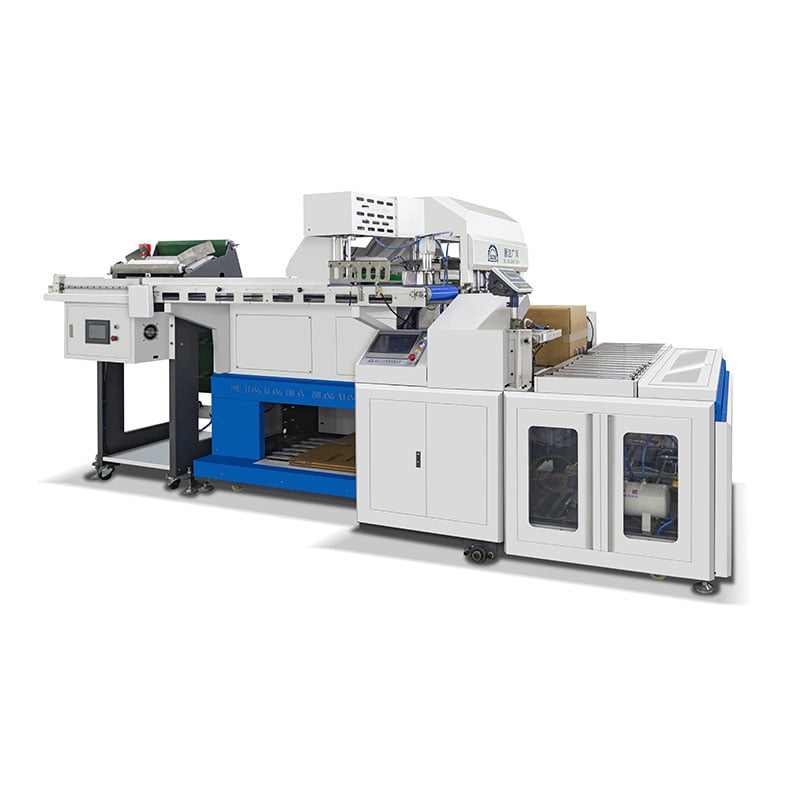
Automatic Packing Machine:Production Volume and Speed Requirements
Break-even volume analysis: When fully automatic ROI justifies the investment
Figuring out when a business breaks even on fully automatic plastic container thermoforming machines means looking at when those productivity improvements finally make up for the bigger upfront cost. Most companies making less than 5 million units each year find that semi-automatic systems give better returns since they don't have to spend as much cash upfront, somewhere between $25k and $80k typically. When production goes past 10 million containers per year though, the fully automatic versions start paying off pretty quickly, usually within 18 to 30 months. This happens mainly because fewer workers are needed and things get made faster overall. The 2023 Packaging Efficiency Report actually shows something interesting too: plants that produce over 8 million units annually cut their costs per item by about 23% once they switched to automated systems. That kind of saving adds up fast in large scale operations.
Cycle speed comparison: 5–15 cpm (semi-auto) vs. 40–120+ cpm (fully auto)
There's a big difference in how much stuff gets done between these machine types. Semi automatic ones run around 5 to 15 cycles each minute since someone has to load and unload them manually. Fully automatic thermoforming machines? They clock in at 40 to over 120 cycles per minute because they feed materials continuously and robots take care of removing parts. That means about 3 to 8 times faster production. When we look at what comes out in a day, automated systems can produce anywhere from 18 thousand to over 50 thousand containers. Semi automatic versions only manage between 2 thousand 400 and 7 thousand 200. For companies making large volumes of products like drinks or medicine packaging, this kind of output gap usually determines whether they invest in automation or stick with their current setup.
Total Cost of Ownership for Automatic Plastic Container Thermoforming Machines
Upfront cost range: semi-auto vs. fully auto, including integration
The starting cost for semi automatic thermoformers lands somewhere between $25k and $80k, whereas fully automatic plastic container thermoforming machines require much deeper pockets, usually running from $150k all the way up past $500k. That kind of big difference in price tag makes sense when we look at what goes into those machines. Fully automated versions come packed with sophisticated robotics, precise control systems, and all sorts of bells and whistles that make them work like clockwork. Getting everything hooked up properly isn't cheap either. Most companies end up spending another 20 to 30 percent on top of the base price just for installation stuff like power connections, conveyor belts, and getting the software running right. For businesses cranking out over five million units each year, the extra cash spent on full automation pays off pretty quickly thanks to reduced labor costs and faster production speeds. But smaller operations making less product typically stick with semi automatic options since they still deliver good results without breaking the bank.
Hidden TCO factors: Maintenance, spare parts lead times, and technician dependency
Beyond purchase price, key operational expenses significantly impact total cost of ownership:
- Maintenance averages 15–25% of total ownership costs for fully automatic systems, requiring specialized technical support
- Critical spare parts—such as heating elements or forming molds—often carry 8–12 week lead times, creating production vulnerability
- Fully automated lines demand certified technicians ($65–$100/hour), whereas semi-automatic models can be operated by less specialized staff
Unplanned downtime costs manufacturers up to $15,000 per hour in lost production, per 2023 packaging industry data. Strategic maintenance partnerships and pre-stocked critical spares are proven mitigation tactics.
Labor, Flexibility, and Quality Control Trade-offs
Operator requirements: Hands-on operation vs. remote monitoring and predictive maintenance
With semi automatic thermoforming machines, operators need to be around all the time to feed materials, eject parts, and check quality visually. This setup definitely drives up labor expenses, though it means workers don't need much technical training. On the flip side, fully automatic systems let managers keep an eye on things remotely thanks to those industrial internet sensors and smart maintenance software. According to Packaging Digest back in 2023, these automated setups cut unexpected downtime somewhere between 25% and 40%. While this independence makes operations more resilient overall, it does change what kind of staff companies need hiring for. Instead of general workers, they now look for folks who can actually troubleshoot technical issues when problems arise, which creates this interesting balance between having easily available workforce and maintaining reliable production systems.
Changeover agility: Why modular semi-auto platforms excel with high-SKU or custom thermoforming runs
Manufacturers who deal with lots of different products or small production runs find semi automatic machines much more flexible than their fully automatic counterparts. The tooling system is modular so changing between different configurations takes about 15 to 30 minutes. That's a huge difference compared to fully automatic lines which can take anywhere from 2 to 8 hours to switch over. Why? Because these semi automatic systems don't require reprogramming all those complicated robots every time there's a change. For companies making special edition packaging or running limited quantity orders, this kind of quick setup makes all the difference. When dealing with custom work, getting things ready fast matters more than just producing massive quantities.
Ideal Use Cases by Business Scale and Industry Need
The choice between semi automatic and fully automatic plastic container thermoforming equipment really comes down to how much stuff needs to be made and what kind of products we're talking about. For smaller companies making less than around 5 million items each year, or those dealing with products that change often like makeup containers, special food packaging, or holiday themed goods, semi automatic machines tend to give better returns on investment. These systems let factories switch between different molds quickly, which matters a lot when packaging designs keep changing every season. On the flip side, big manufacturers working in industries where they need to produce massive quantities day after day find that fully automatic thermoformers make sense. The speed range of these machines, typically between 40 and over 120 cycles per minute, works out for operations producing more than 10 million units annually. This becomes particularly important in sectors like beverages or pharmaceuticals where maintaining strict cleanliness standards is critical, or when plants need to run continuously without stopping for maintenance or shifts changes.
FAQ
What are the main differences in cost between semi-automatic and fully automatic thermoforming machines?
Semi-automatic thermoforming machines costs range from $25K to $80K, while fully automatic machines can be from $150K to over $500K, including integration costs.
When does it make sense for a business to invest in a fully automatic thermoforming machine?
For businesses producing over 10 million containers annually, the investment in fully automatic machines pays off quickly due to increased production speeds and reduced labor costs.
How do labor costs differ between semi-automatic and fully automatic thermoforming systems?
Semi-automatic systems require constant manual operation, resulting in higher labor costs, whereas fully automatic systems allow for remote monitoring, reducing the reliance on manual labor.
What are the maintenance considerations for fully automatic thermoforming machines?
Fully automatic machines require specialized technical support, with maintenance costs averaging 15–25% of total ownership. Spare parts also have long lead times and require advanced planning.
Why might a company choose semi-automatic machines for high-SKU or custom production runs?
Semi-automatic machines are favored for their flexibility and quick changeover times, making them ideal for businesses with varied product lines or custom packaging needs.
Table of Contents
- Automatic Packing Machine:Production Volume and Speed Requirements
- Total Cost of Ownership for Automatic Plastic Container Thermoforming Machines
- Labor, Flexibility, and Quality Control Trade-offs
- Ideal Use Cases by Business Scale and Industry Need
-
FAQ
- What are the main differences in cost between semi-automatic and fully automatic thermoforming machines?
- When does it make sense for a business to invest in a fully automatic thermoforming machine?
- How do labor costs differ between semi-automatic and fully automatic thermoforming systems?
- What are the maintenance considerations for fully automatic thermoforming machines?
- Why might a company choose semi-automatic machines for high-SKU or custom production runs?