 EN
EN
Key Factors That Determine Automatic Packing Machine Price
Brand Reputation, Automation Tier, and Hygienic Design Standards
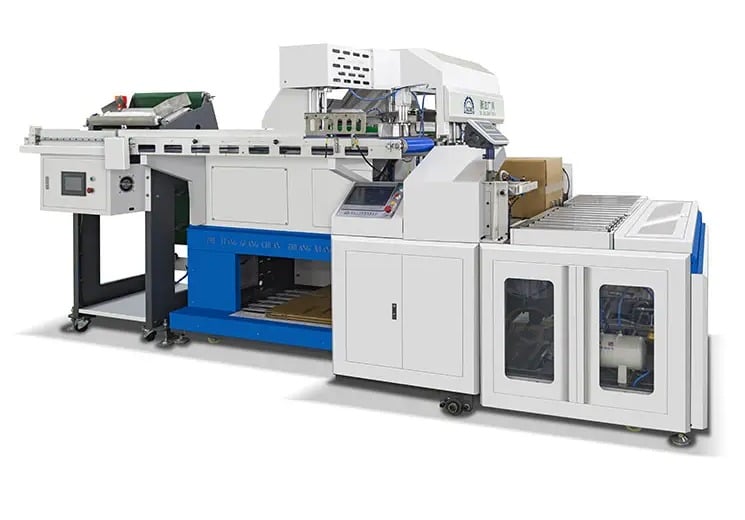
Big name manufacturers usually charge anywhere from 15 to 25 percent more than others because people trust their reliability, they have service teams all around the world, and get help fixing problems much quicker which really matters when production lines come to a halt. The level of automation basically sets what someone might expect to pay. Machines that need some manual operation typically cost around twenty grand to start with, but when companies go all in on full robotic systems, prices jump way above two hundred thousand dollars. These higher costs come from things like better motion controls, camera systems that check quality automatically, and less need for workers to be constantly involved. Speaking of specific industries, anyone making food products or medications can't ignore hygiene requirements. Cleanliness standards are not just nice to have but absolutely required by law. That means equipment needs stainless steel construction, must work with cleaning processes like CIP and SIP, and meet certifications such as EHEDG or FDA regulations. All these compliance features end up costing an extra twenty to thirty five percent compared to regular industrial machinery.
Performance Specs Driving Cost: Speed, Power Efficiency, and Bag/Container Size Flexibility
The speed at which these machines operate really affects the bottom line. For equipment that can handle over 200 items per minute, manufacturers need to invest in high precision servo motors, stronger feed mechanisms, and complex real time feedback systems. These upgrades typically push the price tag up between thirty thousand to fifty thousand dollars compared to standard models. When it comes to energy efficiency, features like variable frequency drives and regenerative braking systems will definitely raise initial costs by around 10 to 15 percent. But here's the catch: these investments pay off over time through reduced electricity bills. Flexibility in format is another major expense driver. Machines that work well with output from automatic plastic container thermoforming equipment need special modular tooling setups, advanced multi axis PLC controls, and quick changeover systems. This kind of versatility adds anywhere from 25 to 40 percent to the overall cost. Even something as specific as getting format transitions down under five minutes represents an additional 12 to 18 percent investment, but it makes all the difference when switching between different product SKUs without losing valuable production time.
Price Ranges Across Core Packaging Machine Types
Form-Fill-Seal (FFS) Machines: Vertical vs. Horizontal Capacity and Integration Impact
The cost of Vertical Form Fill Seal (VFFS) machines typically falls somewhere between fifteen thousand and fifty thousand dollars. These machines are great for fast bagging operations involving powders and granules, producing anywhere from fifty to two hundred bags per minute. Horizontal FFS (HFFS) systems generally begin around twenty thousand dollars, but can go well beyond eighty thousand when dealing with specialized formats like stick packs or intricate pouch designs, usually operating at thirty to one hundred fifty units per minute. For those looking at premium models, additional features such as servo driven film handling systems or built in check weighers will tack on roughly fifteen to thirty percent to the base price. Connecting these machines to enterprise resource planning (ERP) or manufacturing execution systems (MES) adds another five to twenty thousand dollars according to recent industry reports from Industry Week in 2023.
Filling, Cartoning, and Palletizing Systems: How Complexity and Line Integration Scale Investment
The price range for basic filling machines generally starts around $10,000 and can go all the way up to over $100,000 when looking at those fancy multi-nozzle systems that adapt to different viscosities. When it comes to cartoners, expect to pay somewhere between $25,000 as a starting point, though complex models with advanced folding capabilities and automatic loading features will push prices closer to $80,000. Robotic palletizers represent another big investment category, typically ranging from $30,000 to well over $200,000 depending on factors like payload capacity and whether they incorporate sophisticated vision systems for optimal layer arrangement. For companies wanting everything together, fully integrated production lines that combine filling, cartoning, and palletizing operations usually fall within the $150,000 to $500,000 range according to Packaging Digest's 2023 report. These comprehensive systems often command premium pricing of about 40% more than individual components simply because they reduce labor requirements by roughly 30 to 50%, making them worth considering despite the higher upfront costs.
Automatic Plastic Container Thermoforming Machine: Premium Pricing Explained
Material Compatibility, Mold Customization, and Integrated Tooling Costs
The price of these machines runs anywhere from $200k to half a million dollars or more, and there are good reasons for it. Let's break down what drives up the cost so much. Processing those special barrier materials like EVOH and recycled PET requires completely different heating setups and sealing tech compared to regular polyethylene or polypropylene systems. That alone adds around 15 to 25 percent to the base price. Then we get to the molds themselves. Custom multi cavity designs made from hardened tool steel typically set manufacturers back between thirty and eighty grand each time they need a new configuration. And don't forget about the quick change systems that let operators swap out molds faster but come at extra expense. Finally there's all the automation stuff. Machines need precision robotic arms, advanced servo controls for trimming operations, plus built in leak detection and visual inspection systems. These features might add another 18 to 35 percent to overall costs, but they really pay off by cutting scrap rates down to four percent or below and doing away with the need for manual quality checks later in production.
True ROI Assessment: Beyond Upfront Cost for Automatic Packing Machines
Labor Savings, Waste Reduction, Uptime Gains, and Total Cost of Ownership (TCO)
The real value comes down to what happens day to day in operations rather than just looking at initial prices. Manual packing typically eats up between 30 and 50 percent of labor costs. Automating these repetitive jobs means fewer people needed, which cuts back on hiring new staff, training programs, and dealing with employee turnover issues. Getting the right amount of product into packages and properly sealing them can reduce wasted materials anywhere from 7 to 15 percent. High quality industrial equipment runs reliably around 95% of the time or better, something that makes sense when considering how much money gets lost during production stoppages. According to Ponemon Institute research from 2023, downtime costs companies roughly $740,000 every single hour. Most businesses find their investment pays off pretty quickly when they look at all the factors involved in total cost of ownership including regular maintenance needs, electricity consumption, and those productivity improvements we mentioned earlier. Experience shows that many operations start seeing a return on their investment within about 18 months after implementation.
FAQ Section
What factors most significantly impact the price of automatic packing machines?
Several factors impact the price, including brand reputation, the level of automation, hygienic design standards, and performance specifications like speed, energy efficiency, and flexibility in handling different bag or container sizes.
How do automation features influence cost?
Machines with full automation tend to be more expensive due to components like advanced motion controls and camera systems. Such features reduce the need for human involvement and increase efficiency.
What is the expected ROI for investing in automatic packing machines?
The return on investment (ROI) typically comes from labor savings, waste reduction, uptime gains, and overall reduced costs of ownership. Many businesses see a return on their investment within about 18 months.