 EN
EN

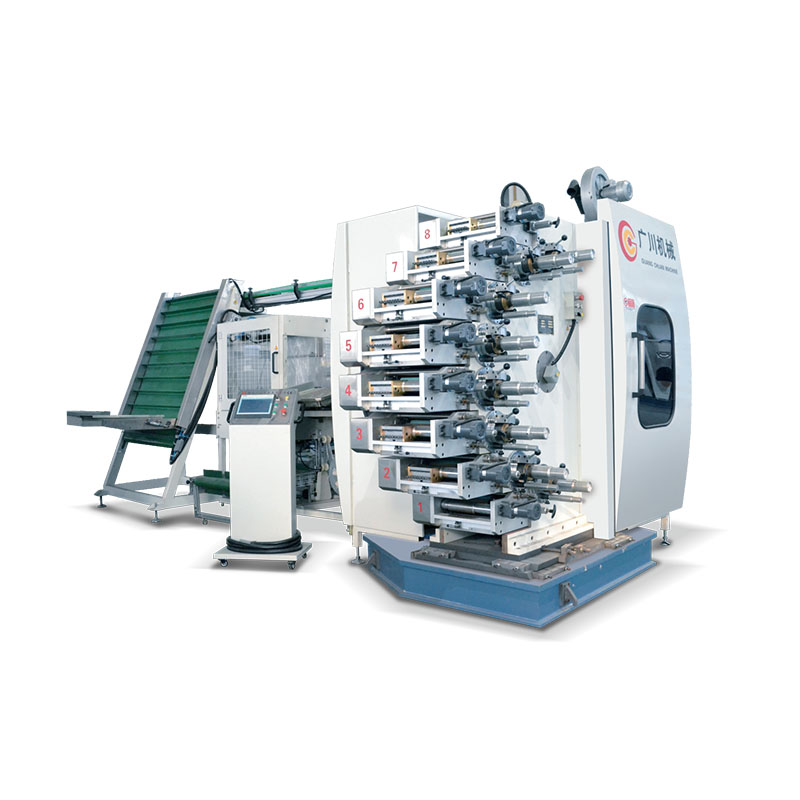
Core High-Speed Printing Technologies for Plastic Cup Printing Machines
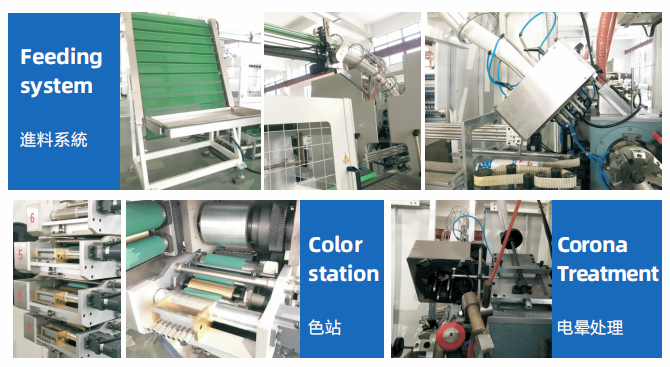
Flexographic Printing: Dominant for High-Volume Plastic Cup Production
Flexographic printing is the preferred method for high-volume plastic cup manufacturing, leveraging fast-drying polymer inks and flexible relief plates to print directly on curved thermoplastic surfaces at industrial speeds. Its widespread use stems from key operational advantages:
- Direct compatibility with PE and PP substrates without surface pre-treatment
- Production rates exceeding 5,000 cups per minute
- Minimal job changeover time
- Lower operating costs compared to rotary techniques
With a typical resolution of 60–120 lpi, flexography delivers sufficient clarity for logos and basic graphics, making it the standard in disposable drinkware production.
Rotogravure and Offset: Niche Applications Where Speed Meets Premium Finish
Rotogravure excels in premium applications requiring photographic print quality, using etched cylinders to transfer ink under precise pressure for resolutions of 150–200 lpi. While slower than flexography at approximately 2,000 cups per minute, it is favored for high-end beverage containers needing:
- Smooth halftone gradients and photorealistic imagery
- Metallic or specialty inks
- Exceptional color consistency across large production runs
Sheet-fed offset complements this niche by offering gravure-like quality with faster setup times, ideal for mid-volume specialty orders. Both methods use polymer-adherent ink systems that withstand downstream filling and handling.
Digital Innovation: Cylinder and Helical Printing Breakthroughs
High-Speed Digital Cylinder Printing for Seamless, Variable-Digital Cup Decoration
Digital cylinder printing can crank out more than 2,500 cups every single minute while delivering resolution above 1,200 dpi, which represents quite a jump forward in decorating cups digitally. The process relies on UV curable inks that stick right away to those plastic surfaces, so there's no longer any need for those old fashioned physical plates or waiting around for setups. A report from the industry back in 2025 showed something interesting too - digital printing gets jobs done about 30 percent quicker compared to traditional methods because it takes less time getting everything ready beforehand. And here's another thing worth mentioning: those non contact printheads actually stop the cups from warping when running at top speed. That matters a lot for keeping prints looking good on those cone shaped cups we all know and love.
360-Degree Helical Printing: Eliminating Seams Without Sacrificing Throughput
The helical printing technique solves the problem of seam misalignment when printing on cylinders. It works by spinning the cups along a slanted axis while the print head travels straight across, resulting in overlapping printed sections that blend together for full 360 degree coverage around each cup. These systems can handle over 3,000 cups every minute and still keep track of where everything goes with an accuracy better than half a millimeter, even when working with tricky materials like polyethylene that tends to shrink during processing. Since there's no need to seal seams after printing, manufacturers save around 17% in wasted materials according to a recent industry report from Packaging Efficiency Review 2025. Plus, it keeps pace with traditional flexo printing lines in terms of production speed, making it both efficient and cost effective for packaging operations.
Throughput Performance: Measuring Real-World Speed in Plastic Cup Printing Machines
From 1,500 to 5,000 Cups/Minute: Automation, Feeding, and Drying as Bottleneck Determinants
Real-world throughput in plastic cup printing machines ranges from 1,500 to over 5,000 cups per minute, with performance shaped by three critical factors:
- Automation Level: Systems with auto-calibration and predictive maintenance sustain peak speeds longer by minimizing unplanned downtime.
- Feeding Mechanism Efficiency: High-speed vibratory or robotic feeders ensure consistent cup alignment, reducing jams that disrupt continuous operation.
-
Drying Time Optimization: UV or IR curing systems must be synchronized with line speed; insufficient curing creates a throughput ceiling regardless of mechanical capability.
Optimizing these elements is essential for achieving maximum productivity in industrial environments.
Speed vs. Quality Trade-offs: Resolution, Substrate Adhesion, and Print Fidelity
Balancing speed and quality remains a central challenge in plastic cup printing. As throughput increases, several quality metrics are impacted:
- Resolution: High-speed printing often reduces detail clarity; settings above 1,200 dpi can cut production rates by up to 50% compared to 600 dpi.
- Substrate Adhesion: Rapid ink deposition at speeds over 4,000 cups per minute reduces dwell time, increasing delamination risk by 18% in adhesion tests.
- Print Fidelity: Misregistration and dot gain become more pronounced, with high-velocity runs amplifying color misalignment by up to 0.3mm.
While high-throughput operations may accept moderate quality reductions, premium products require tighter process control. Modern UV-curing systems and automated registration technologies now allow real-time adjustments, narrowing the gap between speed and print excellence.
FAQ Section
What is the most common method for high-volume plastic cup production?
The most common method is flexographic printing, which is preferred due to its compatibility with PE and PP substrates, high production rates, and lower operating costs.
How does helical printing eliminate seams?
Helical printing eliminates seams by spinning the cups along a slanted axis as the print head moves linearly, allowing for overlapping printed sections that blend without visible seams.
What speed versus quality trade-offs do manufacturers face in cup printing?
Key trade-offs include reduced detail clarity and resolution at higher production speeds, increased risk of delamination, and challenges with color consistency and print fidelity.
Table of Contents
- Core High-Speed Printing Technologies for Plastic Cup Printing Machines
- Digital Innovation: Cylinder and Helical Printing Breakthroughs
- Throughput Performance: Measuring Real-World Speed in Plastic Cup Printing Machines
- Speed vs. Quality Trade-offs: Resolution, Substrate Adhesion, and Print Fidelity
- FAQ Section