 EN
EN

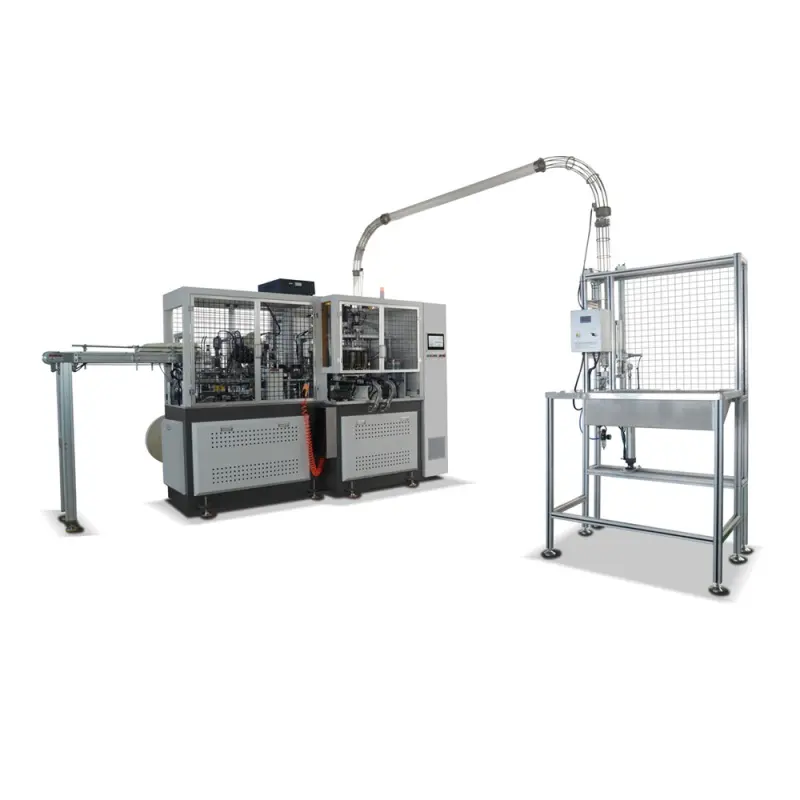
Manufacturing facilities worldwide face mounting pressure to control operational expenses while maintaining production quality and output volume. Among the most significant cost drivers in modern factories is labor, which includes wages, benefits, training, turnover expenses, and the hidden costs of human error and inconsistency. Automatic packing machines have emerged as a transformative solution that directly addresses these financial challenges by replacing manual packaging processes with automated precision, enabling factories to achieve substantial reductions in labor-related expenditures while simultaneously improving packaging consistency and throughput rates.
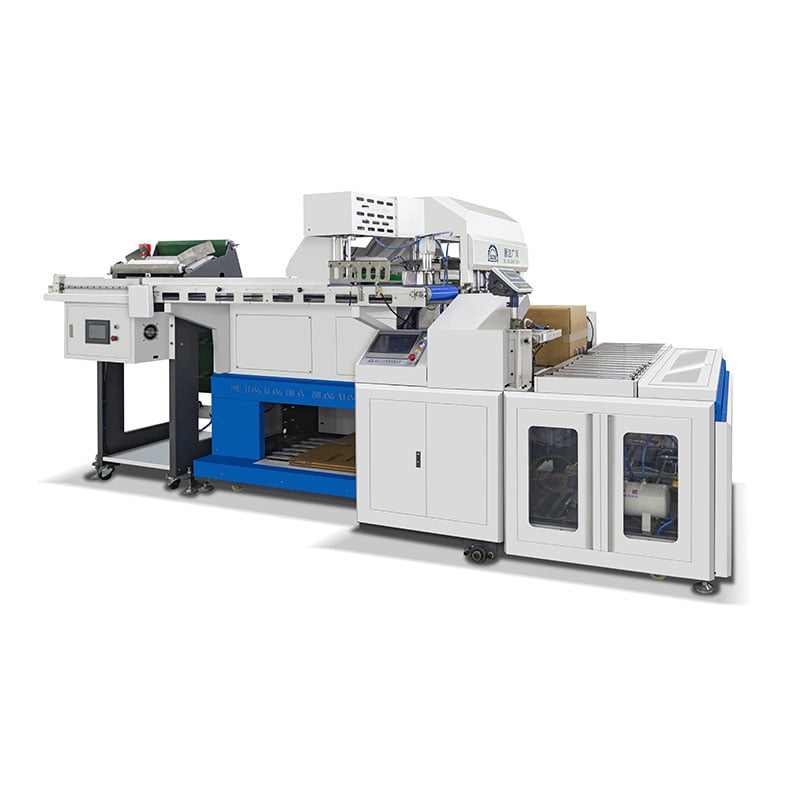
The labor cost reduction achieved through automated packing systems stems from multiple operational mechanisms that work in concert to eliminate inefficiencies inherent in manual processes. By understanding how these machines function within the broader production ecosystem, factory managers can make informed decisions about automation investments and accurately project return on investment timelines. This comprehensive analysis examines the specific pathways through which automatic packing machinery delivers measurable labor cost savings, explores the economic principles driving these benefits, and provides practical guidance for manufacturers evaluating automation strategies in their packaging operations.
Direct Labor Displacement and Workforce Optimization
Reduction in Packaging Line Staffing Requirements
The most immediate labor cost reduction from automatic packing machines comes through direct displacement of manual packaging workers. Traditional manual packaging lines typically require multiple operators per shift to handle product feeding, container placement, filling operations, sealing processes, labeling, and quality inspection. An automatic packing system can consolidate these functions into a single integrated machine that operates with minimal human supervision, often requiring just one technician to monitor multiple machines simultaneously. This staffing reduction translates directly into lower wage expenditures, reduced payroll tax obligations, and decreased benefit costs associated with maintaining a large packaging workforce.
In facilities producing thermoformed plastic products, the integration of an automatic plastic thermoforming machine with downstream packing automation creates particularly significant labor savings. The seamless transition from forming to packaging eliminates the need for intermediate handling personnel who would otherwise transfer products between stations, inspect formed items, and prepare them for manual packing. This end-to-end automation reduces the total headcount required for complete product processing from raw material to finished packaged goods, enabling manufacturers to reallocate human resources to higher-value activities that genuinely require human judgment and skill.
Elimination of Shift Premium and Overtime Expenses
Manual packaging operations frequently require extended hours, weekend shifts, and overnight production to meet delivery schedules and customer demand fluctuations. These non-standard working hours typically command premium wage rates ranging from time-and-a-half to double-time compensation, significantly inflating labor costs during peak production periods. Automatic packing machines operate at consistent speeds regardless of time of day or day of week, eliminating the need for premium-rate labor during off-peak hours. Manufacturers can schedule production to align with demand without incurring the exponential cost increases associated with overtime and shift differential payments for human workers.
Furthermore, automated systems maintain productivity during holiday periods when manual labor availability becomes constrained and wage premiums reach their highest levels. The ability to sustain production output without relying on expensive holiday labor provides substantial cost advantages during the final quarters of the calendar year when many industries experience seasonal demand spikes. This temporal flexibility in workforce deployment represents a hidden but significant component of the total labor cost reduction achievable through packing automation, particularly for manufacturers operating in industries with pronounced seasonal variation or those serving markets with unpredictable demand patterns.
Reduction in Supervision and Management Overhead
Large manual packaging workforces require proportional supervision infrastructure including shift supervisors, quality managers, human resources support, and safety personnel dedicated to overseeing packaging operations. As automatic packing machines reduce the total number of packaging workers, the required supervision ratio decreases correspondingly. A packaging line staffed by fifteen manual workers might require two dedicated supervisors, while an automated line producing equivalent output with three machine operators may need only one supervisor overseeing multiple production areas. This reduction in middle management positions represents an often-overlooked category of labor cost savings that compounds the direct worker displacement benefits.
The simplified organizational structure enabled by automation also reduces communication complexity, training coordination requirements, and the administrative burden associated with managing large teams. Fewer employees means reduced time spent on scheduling, conflict resolution, performance reviews, and the myriad interpersonal management tasks that consume supervisory resources in labor-intensive operations. These administrative efficiency gains translate into lower indirect labor costs that, while more difficult to quantify precisely, contribute meaningfully to the total cost reduction equation when evaluating the financial impact of automatic packing machinery implementation.
Productivity Enhancement and Output Consistency
Elimination of Fatigue-Related Productivity Decline
Human workers experience natural productivity degradation throughout their shifts due to physical fatigue, mental exhaustion, and declining concentration. Studies consistently demonstrate that manual packaging workers achieve peak efficiency during the first hours of their shift, with measurable declines occurring as fatigue accumulates. This productivity curve means that the effective output per labor hour decreases as shifts progress, requiring manufacturers to employ additional workers to compensate for reduced individual efficiency during later shift hours. Automatic packing machines maintain constant operational speed from the first minute to the last, delivering consistent throughput without fatigue-related performance degradation.
The elimination of productivity variance has profound implications for labor cost calculations. When human workers slow down due to fatigue, factories must either accept reduced output or increase staffing levels to maintain target production volumes. Either choice imposes costs—lost revenue opportunity from reduced output or increased labor expense from additional headcount. Automated systems eliminate this dilemma entirely by sustaining design-speed operation throughout extended production runs. For facilities incorporating automatic plastic thermoforming machine technology into their production lines, the consistent performance characteristics enable precise production planning without the uncertainty inherent in human productivity variation, reducing the need for buffer capacity and excess staffing.
Maximization of Equipment Utilization Rates
Manual packaging operations frequently experience downtime for worker breaks, shift changes, and the natural interruptions inherent in human-operated processes. These interruptions, while individually brief, accumulate to significant lost production time across full shifts and complete production cycles. Automatic packing machines can operate continuously during worker breaks, with brief pauses only for scheduled maintenance and product changeovers. This enhanced equipment utilization translates into higher output per machine hour, enabling factories to achieve target production volumes with fewer total machine hours and correspondingly reduced labor input for a given output quantity.
The compounding effect of consistent machine speed and maximized utilization creates substantial labor efficiency advantages. A manual line operating at variable human speeds with frequent interruptions might achieve sixty-five percent effective utilization over a full shift, while an automated system could reach eighty-five percent or higher. This twenty percentage point utilization improvement means that automated systems require proportionally less total operating time to produce equivalent output volumes. When labor costs are calculated on a per-unit-produced basis rather than simply hourly wages, the superior utilization characteristics of automatic packing machinery deliver measurable cost advantages that directly improve manufacturing competitiveness.
Quality Consistency and Rework Elimination
Human packaging workers introduce variability in packaging quality due to differences in individual technique, attention levels, and skill development. This quality inconsistency results in defective packages that require rework, additional quality inspection labor, and occasionally complete product rejection. The labor costs associated with quality problems extend beyond the initial packaging operation to include dedicated quality control personnel, rework station staffing, and the opportunity cost of productive capacity diverted to correcting packaging defects rather than creating new output. Automatic packing machines execute packaging operations with mechanical precision that eliminates technique-based variation, producing consistently sealed, labeled, and presented packages that meet specifications without human-error defects.
The reduction in quality-related labor costs represents a significant but frequently underestimated component of automation's total labor savings. When manual packaging defect rates of two to five percent are eliminated through automation, factories can eliminate or substantially reduce dedicated rework stations and the associated labor costs. Additionally, the improved first-pass quality reduces the inspection labor required to identify defective packages before they reach customers. For manufacturers using automatic plastic thermoforming machine systems with integrated quality verification, the combined forming and packaging quality consistency creates multiplicative benefits that extend throughout the production value chain, minimizing total quality assurance labor requirements from raw material to finished goods.
Training Cost Reduction and Skill Requirement Simplification
Decreased New Employee Onboarding Expenses
Manual packaging operations require extensive worker training to develop the motor skills, quality judgment, and procedural knowledge necessary for consistent performance. New employees typically undergo multi-week training periods during which they operate at reduced productivity while consuming trainer time and attention. The cumulative cost of this training—including reduced output during the learning period, dedicated trainer wages, and training material expenses—represents a substantial investment for each new packaging employee. High turnover rates in manual packaging positions, often exceeding thirty percent annually in some manufacturing sectors, mean these training costs recur frequently as departing workers must be continuously replaced.
Automatic packing machines dramatically simplify the skill requirements for packaging operations, reducing training time from weeks to days or even hours for basic machine operation. The primary competencies required shift from manual dexterity and repetitive motion skills to machine monitoring, basic troubleshooting, and parameter adjustment—capabilities that can be developed much more quickly than traditional packaging skills. This training time reduction lowers the total cost per new employee while simultaneously reducing the productivity impact of workforce turnover. The simplified skill requirements also expand the potential labor pool, making recruitment easier and potentially reducing the wage premiums necessary to attract qualified candidates.
Reduction in Ongoing Skill Development Programs
Manual packaging workforces require continuous skills maintenance and development programs to ensure quality standards are sustained and workers adapt to packaging specification changes. These ongoing training initiatives consume supervisor time, require periodic production interruptions for training sessions, and sometimes necessitate external training resources for specialized packaging techniques. The cumulative annual cost of maintaining packaging workforce competency represents a recurring labor-related expense that persists throughout the operational lifetime of manual packaging systems. Automated packing systems largely eliminate these recurring training costs by embedding process knowledge and quality standards directly into machine programming and operational parameters.
When packaging specifications change or new products are introduced, automatic packing machines require only parameter adjustments and machine setup modifications rather than comprehensive workforce retraining. A single skilled technician can implement these changes across an entire automated packaging line in hours, whereas achieving equivalent capability changes across a manual workforce might require days or weeks of training interventions. This agility in adapting to specification changes without extensive retraining represents both a direct cost saving in reduced training expenses and an indirect benefit through minimized production disruption during product transitions, enabling manufacturers to respond more quickly to market opportunities without incurring proportional increases in labor-related training costs.
Specialized Skill Concentration and Workforce Restructuring
Automation enables factories to restructure their packaging workforce from a large population of semi-skilled manual workers to a smaller team of higher-skilled technicians capable of operating, maintaining, and troubleshooting sophisticated automated systems. While individual technician wages may exceed those of manual packaging workers, the total labor cost decreases substantially because far fewer personnel are required. This workforce restructuring also improves employee retention rates, as skilled technical positions typically offer better career development opportunities and job satisfaction than repetitive manual packaging roles, reducing the turnover-related costs that plague labor-intensive packaging operations.
The concentration of packaging expertise in a smaller, more skilled workforce creates additional operational advantages beyond direct labor cost reduction. Skilled technicians can identify optimization opportunities, suggest process improvements, and adapt quickly to production challenges in ways that would be difficult to achieve with a large population of narrowly trained manual workers. This enhanced problem-solving capability translates into improved overall equipment effectiveness, reduced downtime, and better utilization of capital investments in packaging infrastructure. For facilities operating automatic plastic thermoforming machine systems, the technical workforce can manage both forming and packaging operations comprehensively, creating additional labor efficiency through cross-functional capability that would be impractical with specialized manual workforces.
Indirect Labor Cost Reductions and Hidden Savings
Workers Compensation and Safety-Related Expense Reduction
Manual packaging operations expose workers to repetitive motion injuries, ergonomic strain conditions, and acute injury risks from handling products, packaging materials, and manual equipment. These safety hazards generate substantial indirect labor costs through workers compensation insurance premiums, medical expenses, lost-time injury impacts, and the administrative burden of managing workplace injury cases. Workers compensation insurance rates are typically calculated based on payroll exposure and industry risk classifications, meaning that reducing the number of workers in high-risk manual packaging roles directly decreases insurance premium expenses proportional to the workforce reduction.
Beyond insurance costs, workplace injuries impose hidden expenses including productivity loss during incident investigation, temporary replacement worker costs, potential regulatory penalties, and the productivity impact on remaining workers who witness injury incidents. Automatic packing machines eliminate many common packaging injury scenarios by removing human workers from direct contact with moving machinery, repetitive motion tasks, and manual material handling operations. The safety improvements achievable through automation create measurable cost reductions that extend beyond direct labor wages to encompass the full spectrum of safety-related expenses that burden labor-intensive packaging operations.
Benefits Administration and Human Resources Overhead
Each employee on a factory's payroll generates administrative costs beyond their direct wages, including health insurance contributions, retirement plan administration, payroll processing, human resources support, and compliance with employment regulations. These per-employee overhead costs can add twenty-five to forty percent to base wage rates depending on the specific benefit package and regulatory environment. When automatic packing machines reduce total packaging workforce headcount, these per-employee administrative costs decrease proportionally, creating substantial savings that compound the direct wage reductions.
The administrative simplification extends to reduced complexity in scheduling systems, timekeeping processes, leave management, and the various human resources functions that scale with employee population. A packaging department operating with five automated lines and fifteen technicians requires far less HR infrastructure than an equivalent manual operation employing seventy-five workers, even though the output volumes may be identical. This reduction in administrative burden frees HR resources to focus on strategic talent development rather than transactional employee management, creating organizational efficiency improvements that extend beyond the packaging department to benefit overall factory operations.
Facility Space Optimization and Associated Cost Impacts
Large manual packaging workforces require substantial facility space for worker positioning, material staging areas, break rooms, locker facilities, and the wide aisles necessary for safe human movement around packaging stations. Automatic packing machines typically occupy smaller footprints than equivalent-capacity manual lines when total space requirements including worker circulation areas are considered. The reduction in required floor space creates opportunities for facility consolidation, deferred expansion capital expenditures, or reallocation of space to additional production capacity without building expansion.
While space savings represent capital efficiency rather than direct labor cost reduction, the financial impact manifests through reduced facility overhead costs including heating, cooling, lighting, and maintenance expenses for smaller total factory footprints. These utility and facility costs are often allocated to production departments based on floor space consumption, meaning that more compact automated packaging operations bear lower allocated overhead costs compared to space-intensive manual alternatives. For manufacturers evaluating total cost of ownership for packaging operations, these facility-related savings contribute meaningfully to the comprehensive economic advantage of automatic packing machinery, particularly in high-cost real estate markets or climate-controlled production environments.
Strategic Workforce Flexibility and Market Responsiveness
Demand Volatility Management Without Proportional Labor Adjustment
Manual packaging operations face significant challenges when responding to demand fluctuations because production capacity is directly coupled to workforce size. Increasing output requires hiring and training additional workers, a time-consuming process that delays response to market opportunities. Conversely, demand decreases create excess labor capacity that must be reduced through layoffs, creating severance costs, unemployment insurance impacts, and potential damage to employer reputation that complicates future recruitment. This inflexibility in workforce adjustment imposes hidden costs through lost revenue opportunities during demand increases and unnecessary labor expenses during demand contractions.
Automatic packing machines provide inherent production flexibility by enabling output adjustments through operating hour modifications rather than workforce changes. Manufacturers can increase production by extending automated equipment operating hours with minimal incremental labor cost, as the same small technical staff can support longer equipment run times. Similarly, demand decreases can be accommodated by reducing operating hours without workforce reductions, preserving skilled technical capabilities for future demand recovery. This decoupling of production capacity from workforce size creates strategic agility that reduces both the opportunity costs of constrained capacity and the direct costs of workforce volatility management.
Seasonal Production Pattern Accommodation
Industries with pronounced seasonal demand patterns face particularly acute labor cost challenges in manual packaging operations. Building workforce capacity for peak seasons requires recruiting and training temporary workers who operate at lower efficiency levels than permanent employees, then managing workforce reductions when seasonal demand subsides. These seasonal hiring cycles impose recruiting costs, training expenses, productivity losses from inexperienced workers, and administrative burden that recur annually. Automatic packing machines enable manufacturers to meet seasonal demand peaks by intensifying equipment utilization during high-demand periods rather than proportionally expanding workforce size.
The ability to serve seasonal demand through equipment utilization management rather than workforce expansion creates substantial cost advantages. Manufacturers avoid the recurring costs of seasonal hiring cycles while maintaining the skilled core technical workforce year-round. During off-peak periods, the technical staff can focus on preventive maintenance, process optimization, and equipment preparation that enhance overall operational effectiveness. For facilities using automatic plastic thermoforming machine technology in seasonal product categories, the production flexibility extends from forming through packaging, enabling end-to-end capacity management without the labor volatility and associated costs that characterize traditional seasonal manufacturing operations.
Geographic Labor Market Independence and Risk Mitigation
Factories located in tight labor markets or regions with limited manufacturing workforce availability face elevated wage pressures and recruitment challenges that inflate packaging labor costs above national averages. Manual packaging operations remain vulnerable to local labor market conditions, with wage rates determined by regional supply-demand dynamics rather than operational efficiency. Automatic packing machines reduce dependence on local labor availability by minimizing total workforce requirements, enabling factories to operate competitively even in challenging labor markets where manual packaging operations would face prohibitive staffing costs.
This geographic labor market independence also provides risk mitigation against future labor cost escalation. As minimum wage levels increase, labor union activity intensifies, or demographic shifts constrain workforce availability, automated packaging operations experience proportionally smaller cost impacts than labor-intensive alternatives. The smaller, higher-skilled technical workforce required for automated systems typically enjoys better labor relations and lower turnover rates than large manual packaging workforces, further insulating manufacturers from labor market disruption risks. This strategic resilience against labor market volatility represents a long-term competitive advantage that extends beyond immediate cost reduction to encompass sustained operational stability and predictable cost structures.
FAQ
What is the typical payback period for automatic packing machine investments based on labor cost savings?
The payback period for automatic packing machine investments varies based on current labor costs, production volumes, and specific automation complexity, but typically ranges from eighteen months to three years in labor-intensive packaging operations. Facilities with higher baseline labor costs, multiple-shift operations, or significant overtime expenses generally achieve faster payback periods. The calculation should include not only direct wage savings but also reductions in benefits costs, workers compensation insurance, training expenses, and quality-related labor. Manufacturers can accelerate payback timelines by selecting automation solutions appropriately scaled to their production volumes and focusing initial investments on packaging operations with the highest labor intensity and most repetitive task characteristics.
How does automation affect the need for skilled maintenance personnel and associated labor costs?
While automatic packing machines require skilled maintenance technicians, the total maintenance labor cost typically remains substantially lower than the packaging labor costs they replace. Modern automated systems are designed for maintainability with diagnostic capabilities that simplify troubleshooting and reduce downtime. Many manufacturers find that one skilled maintenance technician can support multiple automated packaging lines, whereas the equivalent manual operations would require dozens of packaging workers. Additionally, maintenance activities can often be scheduled during planned downtime rather than requiring dedicated staffing during all production hours. The shift from large populations of semi-skilled packaging workers to smaller teams of technical specialists generally reduces total labor costs while improving overall operational capability and problem-solving capacity.
Can small and medium manufacturers achieve meaningful labor cost reductions through packing automation?
Small and medium manufacturers can absolutely achieve significant labor cost reductions through appropriately scaled packing automation, though the approach differs from large-scale implementations. Rather than investing in fully integrated high-speed systems, smaller manufacturers often benefit from targeted automation of specific high-labor packaging tasks such as case packing, palletizing, or labeling while retaining manual processes for lower-volume operations. Modular automation solutions and right-sized equipment enable capital investments proportional to production volumes while still delivering meaningful labor savings. The key success factor is conducting thorough analysis to identify packaging operations where labor costs are highest relative to volumes and selecting automation solutions that match actual production requirements rather than over-investing in excessive capacity designed for larger operations.
How quickly can factories transition to automated packing without disrupting current production schedules?
The transition timeline to automated packing depends on system complexity and installation approach, but most manufacturers can implement automation with minimal production disruption through phased deployment strategies. Many factories choose to install and commission automatic packing machines during scheduled maintenance shutdowns or alongside existing manual operations, then gradually shift production volume to the automated system as operators gain familiarity and confidence. This parallel operation approach allows troubleshooting and optimization without risking production commitments. Complete transitions from manual to fully automated packaging typically span three to six months from equipment installation to optimized full-capacity operation, though basic functionality usually becomes available within weeks. Proper project planning, vendor support during commissioning, and realistic performance expectations during the learning period are essential for minimizing disruption while capturing labor cost reduction benefits as quickly as possible.
Table of Contents
- Direct Labor Displacement and Workforce Optimization
- Productivity Enhancement and Output Consistency
- Training Cost Reduction and Skill Requirement Simplification
- Indirect Labor Cost Reductions and Hidden Savings
- Strategic Workforce Flexibility and Market Responsiveness
-
FAQ
- What is the typical payback period for automatic packing machine investments based on labor cost savings?
- How does automation affect the need for skilled maintenance personnel and associated labor costs?
- Can small and medium manufacturers achieve meaningful labor cost reductions through packing automation?
- How quickly can factories transition to automated packing without disrupting current production schedules?