 EN
EN
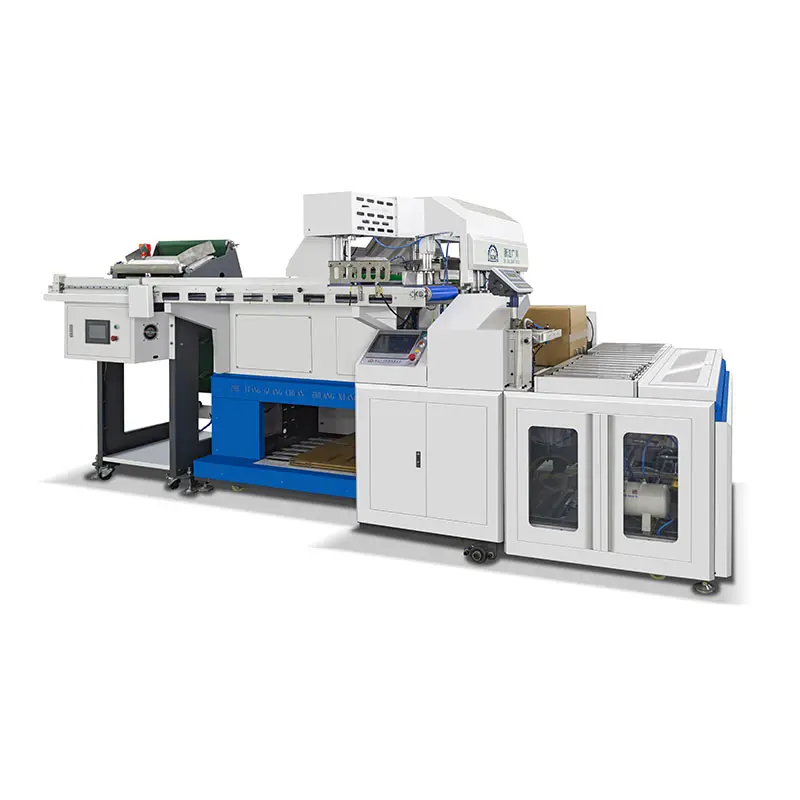
What Is an Automatic Packing Machine? Core Definition and Operational Logic
Precise technical definition: From automation scope to packaging output
Automatic packing machines represent complete mechanical systems capable of performing all necessary packaging steps from start to finish with very little need for human workers. While semi-automatic versions still require some hands-on work, these fully automated systems handle everything from feeding materials through to sealing and discharging finished products. Factories that switch to this technology typically see their labor expenses cut down between half and two thirds, plus they get much more consistent results. Research indicates that sealing mistakes drop dramatically too, somewhere around 90 to 95 percent less than what happens when people do the job manually according to recent industry reports. What makes these machines so valuable is their speed processing power, turning basic ingredients into ready-to-sell packages at rates over 60 per minute, which becomes essential when companies want to ramp up production without breaking a sweat.
How it works end-to-end: Signal input – material handling – sealing – output
The operational sequence begins when sensors detect product readiness, triggering PLC (Programmable Logic Controller) logic:
- Material feeding: Roll-fed film or pre-made pouches are automatically positioned
- Precision dosing: Gravimetric systems measure fill volumes within ±0.5% accuracy
- Form-fill-seal: Film is formed into bags, filled, and heat-sealed in one continuous motion
- Quality verification: Vision systems inspect seal integrity and print legibility in real time
- Discharge: Packaged units exit via conveyor for downstream palletizing
This closed-loop process relies on servo motors and HMI (Human-Machine Interface) controls to maintain mechanical tolerances under 0.2 mm during high-speed operation—enabling adaptive adjustments that sustain near-zero waste output.
Key Components and Engineering Foundations of Automatic Packaging Systems
Five critical subsystems: Feeding, forming, filling, sealing, and discharge – their roles and integration
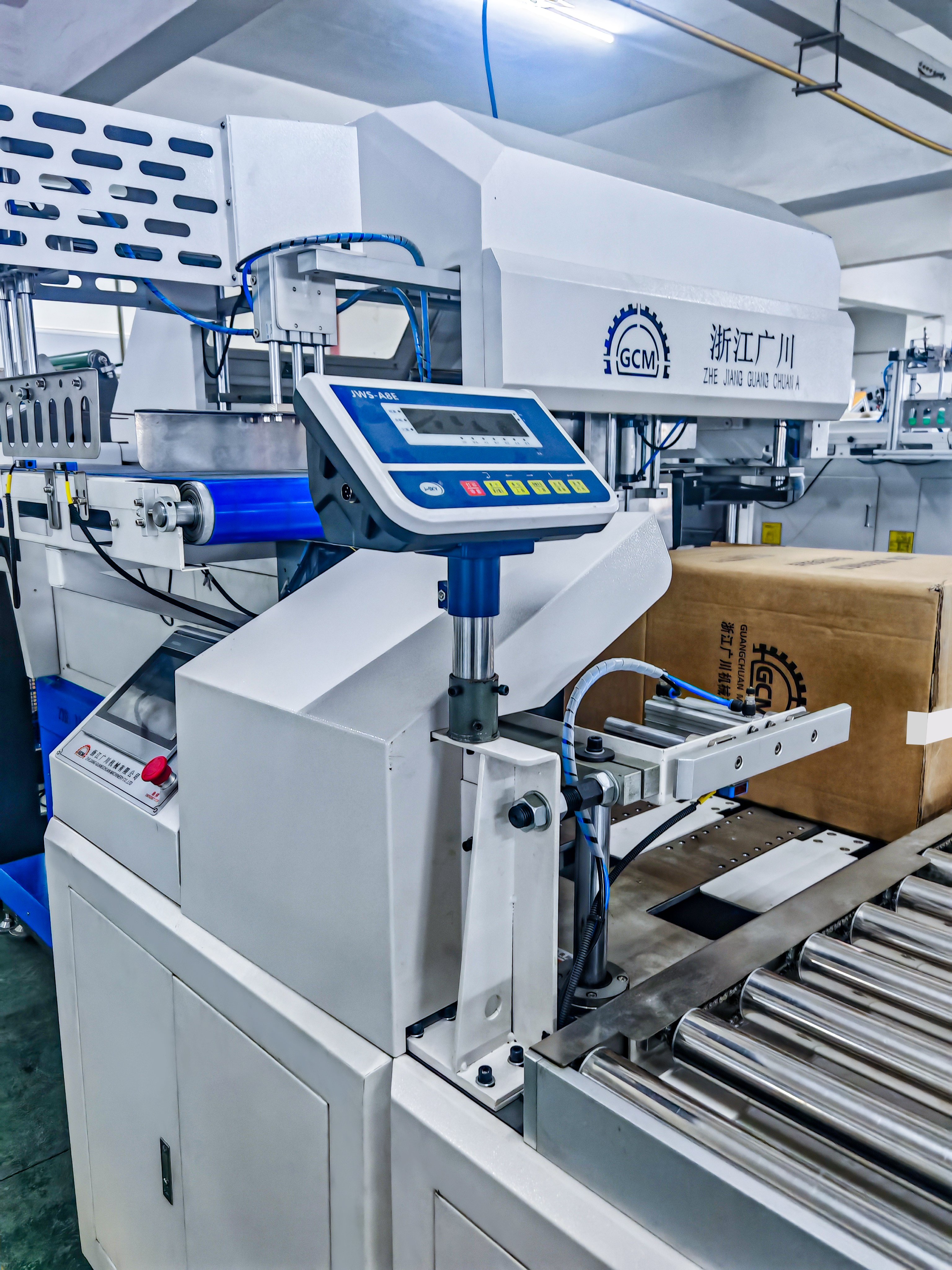
Today’s automatic packaging equipment brings together five main parts working together to turn raw stuff into sealed products ready for shelves. First up is the feeding system that gets everything positioned properly either through those vibrating bowl setups or conveyor belts that move things along with pinpoint accuracy. Then comes the forming section where packaging takes shape - think those little pockets in blister packs made by heating plastic and applying pressure or sucking it into form with vacuum tech. At the filling station, machines put product inside with pretty impressive accuracy around plus or minus half a percent thanks to pumps or weight sensors. This matters a lot when dealing with medicines or supplements where even small errors can be big problems. Next, sealing happens using heat, glue, or those ultrasonic waves that melt materials together without leaving gaps. Lastly, the discharge area handles sorting out all those finished packages and sending them off to get stacked on pallets or slapped with labels. All these parts work hand in hand via computer controlled motors and networked systems so one person can watch over operations producing more than 100 items per minute while keeping mistakes under tenth of a percent on most production lines.
Control architecture: PLC, HMI, and sensor-driven logic enabling real-time precision
The heart of the system is the Programmable Logic Controller, or PLC for short. It runs those super fast commands at millisecond intervals that keep everything moving in sync mechanically. Operators work with these fancy Human Machine Interfaces, basically touchscreens where they can tweak stuff like how hot the sealing gets or exactly how much product goes into each container. We maintain real time accuracy thanks to all sorts of sensors packed throughout the system. Photoelectric ones, proximity detectors, thermal monitors, even vision systems that spot problems as they happen. These sensors send back around 200 data points every single second to the main controller. Take vision systems for instance they catch when labels are off track or seals aren’t complete. Pressure sensors tell us if we’re applying just the right amount of force during sealing operations. Thermal sensors watch out for any signs of overheating components. All this creates what we call a closed loop system. What does that mean practically? Well, it reduces waste materials by about 18 percent when compared to old school manual methods. Plus, it keeps products meeting ISO standards consistently through entire 24 hour shifts without breaking stride.
Automatic vs. Manual and Semi-Automatic Packaging: Measurable Advantages for SMBs
Small and medium businesses (SMBs) face critical choices when scaling packaging operations. Manual, semi-automatic, and fully automatic systems each serve distinct needs—but automation delivers quantifiable, scalable advantages. Here’s how they compare:
| Metric | Manual Packaging | Semi-Automatic | Fully Automatic | Impact on SMBs |
|---|---|---|---|---|
| Production Throughput | Baseline | +20–40% vs. manual | +50–75% vs. manual | Scales output without proportional labor hires |
| Packaging Defect Rate | 3–5% | 2–4% | <0.5% | Reduces costly recalls, rework, and customer complaints |
| Labor Costs | High | Moderate (1–2 operators) | Minimal (lights-out ops) | Saves $60k–$120k/year per line |
| Material Waste | 8–12% | 5–8% | 3–5% | Lowers consumable expenses and environmental footprint |
| ROI Timeline | N/A | 1–2 years | 8–18 months at scale | Faster payback on capital expenditure |
Automatic solutions like plastic thermoforming machines really shine when companies need consistent output, fast production times, and they have to follow strict regulations. Semi automatic options do give some flexibility for small batches or products that vary a lot, but these systems end up costing more over time because workers still need to be involved constantly. Small businesses looking to expand can cut down on packaging expenses by around 15 to 30 percent according to Packaging Digest from last year, plus it helps them stay compliant with those important food safety standards from FDA, USDA, and GMP. Most manufacturers find that somewhere around 500 units per hour marks the turning point where going fully automated makes sense if they want to keep up with demand without relying so much on staff and prepare for what comes next in their business growth.
FAQ
How does an automatic packing machine work?
The process begins with sensors detecting product readiness, leading to material feeding, precision dosing, forming, filling, sealing, and discharging, all controlled by a Programmable Logic Controller and monitored through Human-Machine Interfaces.
What are the main components of an automatic packaging system?
The key components include the feeding, forming, filling, sealing, and discharge subsystems, all integrated with control architecture using PLCs and sensors for real-time precision.
What are the benefits of using automatic packaging for small businesses?
Automatic packaging systems offer increased throughput, reduced packaging defects, lower labor costs, minimized material waste, and faster ROI, making them highly beneficial for small and medium businesses.
What is an automatic packing machine?
An automatic packing machine is a mechanical system that performs all packaging steps from start to finish, reducing the need for human labor, increasing speed, and improving consistency in packaging quality.