 EN
EN
Core Applications of Plastic Cup Printing Machines in F&B Operations
On-Demand Branding for QSRs and Retail: Customization at Scale Without Inventory Risk
Plastic cup printing Machines give fast food places and stores the ability to run really specific marketing efforts pretty much overnight. Think about seasonal stuff, special drinks that are only around for a short time, or deals that work in certain areas but not others. No more waiting for printed materials to arrive from somewhere else. The whole system works on demand, which cuts down on storage costs and all that wasted stock nobody buys. Some numbers show businesses can save around 20% on excess inventory this way. Plus, customers remember brands better when they see fresh messages right when it matters most. Stores can test out new ideas quickly too, getting feedback before committing to big production runs across multiple locations.
Seamless Integration with High-Speed Filling and Packaging Lines
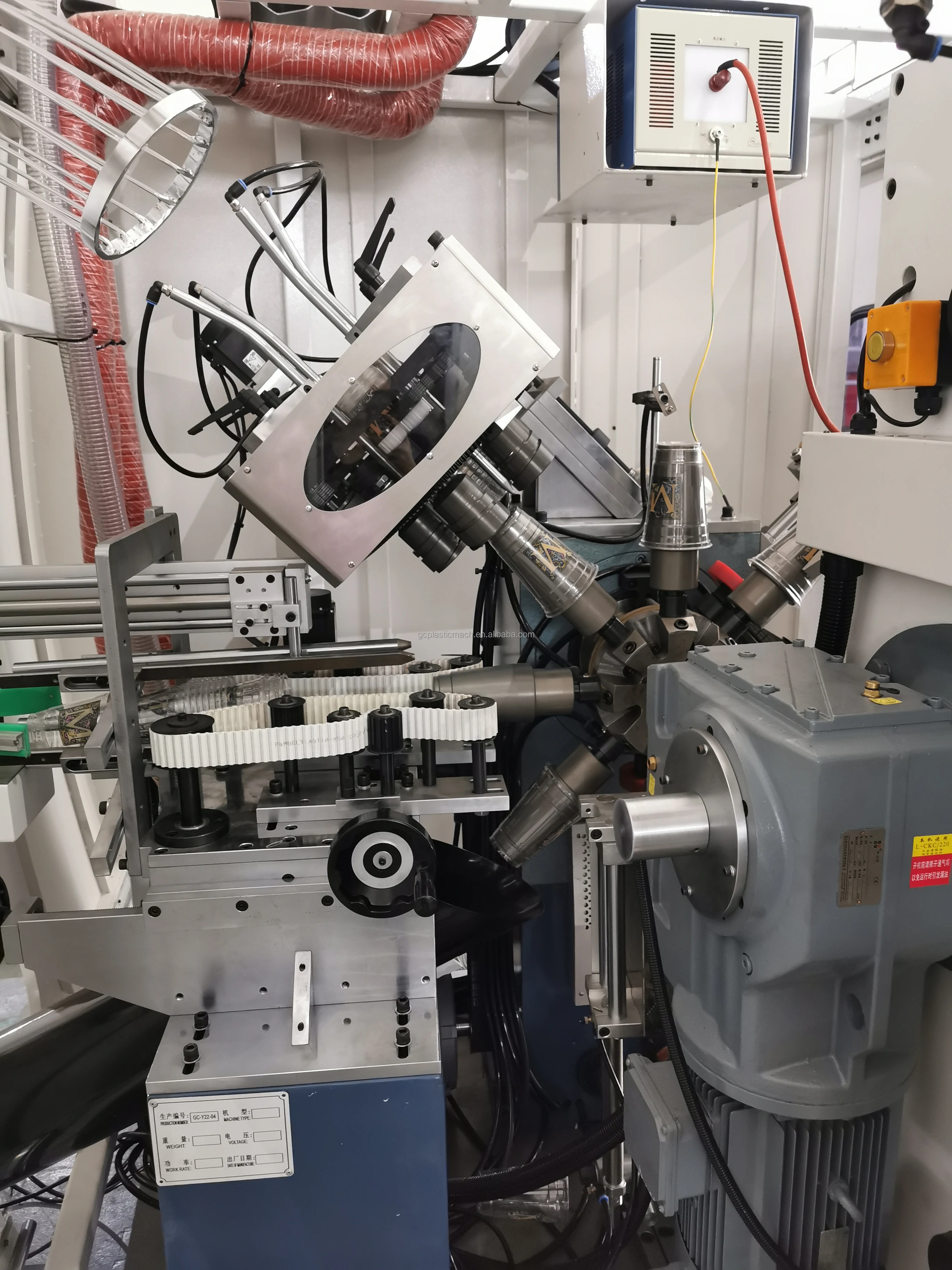
Today's plastic cup printing equipment works right alongside fast moving filling and packaging lines, handling over 30 thousand cups each hour without losing track of details down to 0.1 millimeters, even when materials are vibrating. Sensors constantly check things out as these machines run non stop day after day, tweaking ink thickness and print pressure on the fly so there aren't any messed up prints that might cause problems later on with caps or seals. The system automatically throws away bad cups before they get filled, which is super important for meeting those strict FDA and EU standards. Nobody wants products recalled because ink ended up somewhere it shouldn't be or got applied wrong somehow.
Material Compatibility and Technology Matching for Plastic Cup Printing Machines
PET vs. PS Substrates: How Thermal Stability, Surface Energy, and Clarity Shape Printing Method Selection
Choosing the right printing technique for plastic cups really comes down to what kind of material we're working with. Take PET, which stands for Polyethylene Terephthalate. This stuff can handle pretty high temperatures, staying stable even when things get over 70 degrees Celsius. The surface energy is also quite good at around 45 to 50 dynes per centimeter, and most importantly, it lets through more than 90% of light, so colors look vibrant and sharp when printed. On the other hand, Polystyrene or PS isn't as tough. It starts to warp once temps go above 60°C, has weaker surface energy between 33 and 38 dynes/cm, and transmits about 88 to 92% light. Because of these characteristics, printers need to be more careful with PS materials and sometimes apply special treatments to make sure the ink sticks properly without smudging or peeling off after printing.
| Property | PET | PS | Printing Implication |
|---|---|---|---|
| Thermal Stability | High (70°C+) | Moderate (60°C max) | PET tolerates UV/LED curing heat |
| Surface Energy | 45–50 dynes/cm | 33–38 dynes/cm | PET enables better ink wetting |
| Clarity | >90% light transmission | 88–92% (varies by grade) | PET supports photorealistic prints |
Digital printing leverages PET’s smooth, stable surface for vibrant, durable output; PS typically requires corona treatment to elevate surface energy before printing.
Why UV Digital Printing Excels on PET Cups, While Pad Printing Remains Preferred for PS Hot-Drink Cups
UV digital printing has become the go to method for PET cups because of how it works instantly with a cold cure process. This stops ink from migrating around and satisfies those FDA 21 CFR standards for food contact materials. Plus it can print intricate designs at 600 dpi resolution without needing any physical printing plates. The way PET holds its shape when exposed to UV light means colors stay true and registration stays consistent across runs. When it comes to polystyrene hot drink cups though, most manufacturers still stick with pad printing. Why? Because pad printing uses solvents at low temperatures which prevents warping during production. Those silicone pads actually mold themselves to the cup's curves pretty well and create strong bonds on PS surfaces since they have lower surface energy. This results in prints that resist rubbing off and last through normal handling and usage conditions.
Food-Safe Ink Systems and Global Regulatory Alignment for Plastic Cup Printing Machines
FDA 21 CFR, EU 10/2011, and Migration Testing: Ensuring Print Integrity and Consumer Safety
Meeting regulatory standards isn't just important it's absolutely essential these days. The FDA's 21 CFR regulations in the US and EU Regulation 10/2011 require thorough testing to stop chemicals from migrating from printed materials into drinks. Companies need to run tests that simulate actual conditions, like extracting compounds with food-like solvents, checking for heavy metals and leftover photoinitiators, and seeing how well prints stick after being stored in cold or frozen environments. These limits are really tight too something like less than 0.01 mg per kg for those unexpected substances that end up in there somehow. When products fail these tests, companies face massive recalls and serious damage to their reputation. For manufacturers, proving that their inks work properly under all sorts of real world conditions temperature changes, moisture levels etc requires doing accelerated shelf life testing to speed up what would normally take years to observe naturally.
UV-Curable Inks: Low Migration, Instant Curing, and VOC-Free Advantages for High-Speed Plastic Cup Printing Machines
UV-curable inks are the dominant choice for food-safe plastic cup printing due to three decisive advantages:
- Ultra-low migration, achieved through near-complete polymerization (>99.7% conversion), which locks components in place;
- Instant curing–solidification in under 0.5 seconds at 200–300 nm wavelengths–enabling uninterrupted throughput on lines running 30,000+ cups/hour;
- Zero VOC emissions, eliminating hazardous air pollutants and removing the need for costly ventilation infrastructure–reducing energy use by ~40% versus solvent-based alternatives.
These attributes ensure print durability during conveyance, filling, and handling–without compromising regulatory compliance or environmental performance.
Technology Comparison: Selecting the Right Plastic Cup Printing Machine for Your Production Needs
Digital, Pad, Screen, and Flexo – Matching Speed, Detail, Run Length, and TCO to Business Scale
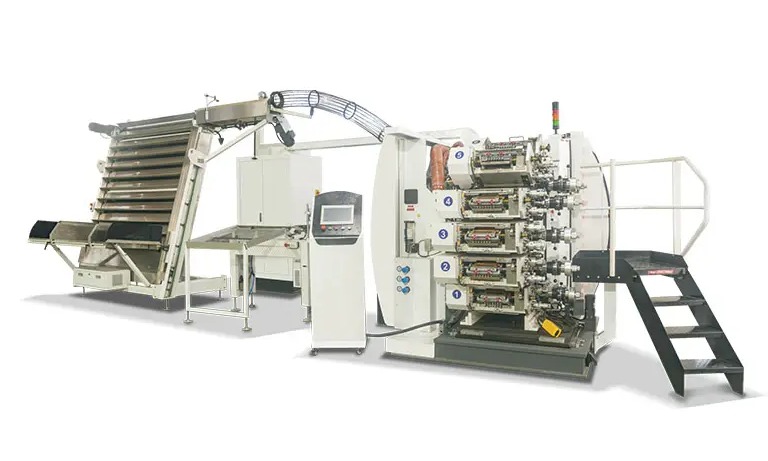
Choosing the best printing tech for plastic cups really comes down to matching what the equipment can do with how big the order is and what matters most for the job. Digital printers are great when someone needs just a few thousand units or wants complicated designs without spending money on plates. They switch between jobs super fast too. For those tricky cup shapes that aren't flat at all, pad printing works wonders. It sticks better and handles details well on those embossed surfaces or curved hot drink containers made from polystyrene. When companies need lots of cups, say anywhere from ten thousand up to fifty thousand plus, rotary screen printing cuts costs per unit significantly even though getting everything set up takes more time upfront. And then there's flexo printing which rules the game when speed is king, cranking out six hundred to over a thousand cups per minute. These machines focus on moving massive quantities rather than worrying about tiny design elements.
Key comparative metrics:
| Technology | Speed (cups/min) | Min. Run Length | Detail Level | Avg. TCO (First Year) |
|---|---|---|---|---|
| Digital | 50–200 | 1+ | High | $42k–$68k |
| Pad | 80–300 | 500+ | Medium-High | $28k–$50k |
| Screen | 300–600 | 10k+ | Medium | $65k–$120k |
| Flexo | 600–1,000+ | 50k+ | Low-Medium | $150k–$350k |
Source: Packaging Machinery Efficiency Report 2024
Small and mid-sized operators gain most from digital or pad systems–where flexibility, speed-to-market, and regulatory assurance outweigh raw throughput. Larger manufacturers justify flexo’s capital investment when volume and line integration demand maximum output. Regardless of technology, always verify that inks meet FDA 21 CFR and EU 10/2011 food-contact requirements.
FAQ
What are the main advantages of using plastic cup printing machines in food and beverage operations?
Plastic cup printing machines allow for on-demand branding, reducing inventory costs and enhancing brand recall with timely messages. They seamlessly integrate with high-speed filling and packaging lines and ensure compliance with regulatory standards.
How do PET and PS substrates affect printing techniques?
PET has high thermal stability and surface energy, favoring vibrant digital prints. PS requires careful handling due to lower surface energy and may need special treatments like corona treatment for effective ink adhesion.
Why is UV digital printing preferred for PET cups?
UV digital printing is favored for PET cups because it cures ink instantly, adheres well, and meets food safety standards. It offers high-resolution prints without warping the cups.
What factors should be considered when selecting a plastic cup printing machine?
Consider order size, design complexity, equipment capabilities, speed, and regulatory compliance when selecting a printing machine. Digital printers suit smaller runs with high detail, while flexo printers are ideal for large-volume production.
Table of Contents
- Core Applications of Plastic Cup Printing Machines in F&B Operations
- Material Compatibility and Technology Matching for Plastic Cup Printing Machines
- Food-Safe Ink Systems and Global Regulatory Alignment for Plastic Cup Printing Machines
- Technology Comparison: Selecting the Right Plastic Cup Printing Machine for Your Production Needs
- FAQ