 EN
EN

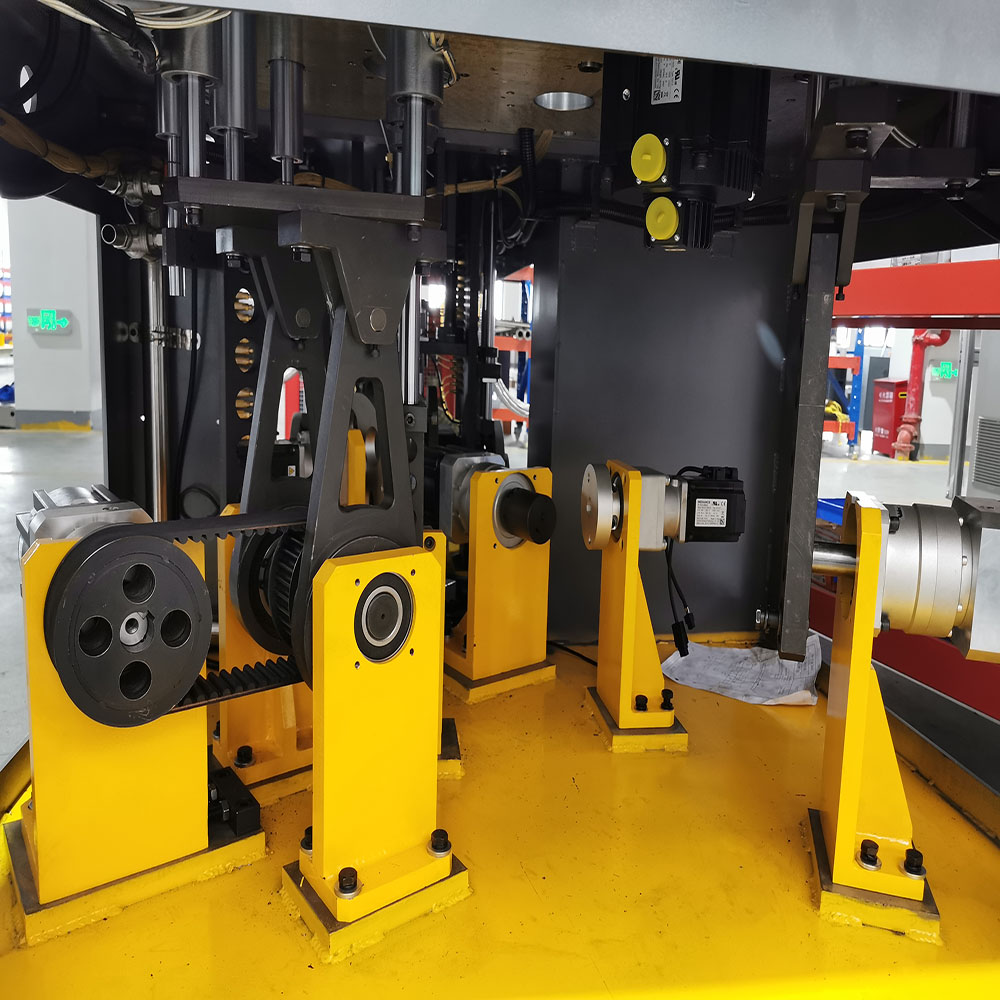
Understanding Mold Wear and Dimensional Inaccuracies in Paper Cup Machines
Mold wear accounts for 34% of forming-stage failures in paper cup machines according to production analyses (Packaging Trends 2023). Continuous friction between molds and paperboard leads to gradual erosion, causing dimensional deviations beyond ±0.3 mm—the ISO 14001 tolerance limit for food packaging. Key indicators include:
- Variations in cup wall thickness
- Irregular rim formations
- Rising scrap rates during quality checks
A recent study on mechanical fatigue found that biweekly mold inspections reduce premature wear by 62% in high-output environments, significantly extending service life.
Mold Alignment Issues Affecting Cup Shape: Causes and Corrections
Misalignment commonly results from improper reassembly after maintenance, thermal expansion mismatches, or vibration-induced shifts. These issues distort cup geometry and increase defect rates.
Using laser alignment tools (accuracy: 0.05 mm) and real-time pressure monitoring allows operators to restore precision. Field data shows correct alignment reduces cup deformation defects by 41% and extends mold lifespan by 300 operating hours.
Pressure Balance and Mechanical Alignment in Forming Stations
| Symptom | Root Cause | Corrective Action |
|---|---|---|
| Asymmetric cup bases | Uneven plunger pressure | Recalibrate hydraulic pressure valves |
| Inconsistent wall density | Worn guide rails | Replace rails & adjust alignment |
| Intermittent jamming | Loose transmission chains | Tighten tension to 20-25 Nm torque |
Case Study: Resolving Repeated Cup Deformation Due to Misaligned Molds
A Midwest packaging plant reduced scrap rates from 12% to 3.8% within 30 days by implementing three key measures:
- Installing digital alignment sensors ($4,200 implementation cost)
- Training staff on hourly visual inspections
- Adopting ISO-compliant mold storage protocols
Post-intervention results showed 87% fewer emergency repairs linked to forming-stage failures, demonstrating the impact of proactive alignment management.
Trend Analysis: Predictive Maintenance Adoption to Reduce Forming-Stage Failures
Top manufacturers now use vibration analysis (20 kHz sampling rate) and thermal imaging to detect early signs of mold degradation, predicting failures 120–150 hours before breakdowns. According to a Design for Reliability study, predictive programs cut unplanned downtime by 57% while maintaining 99.2% dimensional accuracy across batches.
Transmission and Paper Feeding System Issues
Identifying early signs of transmission system wear and breakdowns
Grinding or knocking noises often signal bearing wear or gear misalignment. Irregular vibrations may point to unbalanced drive shafts or worn chain links. Industrial data shows 65% of transmission failures originate from undiagnosed minor issues (Industrial Machinery Report, 2023), emphasizing the need for routine diagnostics.
Lubrication and temperature control to prevent transmission failure
High-temperature greases rated for 150°C+ are essential for gear longevity in high-speed operations. Infrared thermal imaging helps identify overheating components before failure. Factories using automated lubrication systems report a 38% reduction in transmission-related downtime compared to manual methods.
Paper feeding system jams and misfeeds: Root causes and immediate fixes
Common causes include:
- Worn feed rollers losing traction (replace every 6–12 months)
- Humidity fluctuations exceeding ±15% from standard conditions
- Mismatched paper grain direction in pre-cut blanks
Immediate corrective actions:
- Clean suction cups and alignment sensors
- Verify vacuum system air pressure (maintain 0.4–0.6 MPa)
- Adjust side guides within 0.5 mm tolerance
Ensuring stability during high-speed operation
Harmonic damping systems are critical for maintaining feeding accuracy above 400 cycles/minute. Dual-servo synchronization between transmission and feed mechanisms ensures precise timing. Leading plants achieve 99.2% jam-free performance with this setup. Weekly belt tension checks using laser tools prevent timing drift and maintain throughput consistency.
Electrical Control and Sensor Malfunctions
Diagnosing Electrical Control System Circuit Failures in Automation
Power supply instability, electromagnetic interference, and PLC programming conflicts are primary sources of electrical failure. The 2024 Industrial Automation Report attributes 63% of unplanned downtime in packaging equipment to voltage fluctuations damaging sensitive circuits. Effective diagnosis includes:
- Monitoring I/O module response times
- Testing grounding systems for EMI resistance
- Validating PLC ladder logic against operational parameters
Sensor Malfunctions Impacting Production Accuracy
Misaligned photoelectric sensors contribute to 22% of cup-sealing defects. Critical sensors requiring monthly verification include:
| Sensor Type | Failure Impact | Calibration Tolerance |
|---|---|---|
| Alignment Sensors | Cup wall overlaps | ±0.3mm |
| Thermal Sensors | Sealing temperature errors | ±2°C |
| Position Sensors | Base forming inconsistencies | ±0.5° rotation |
Regular calibration prevents cascading errors in automated forming stages.
Troubleshooting PLC Errors and Signal Disruptions
PLC failures typically appear as stuck output signals (42%) or communication timeouts between stations (37%). Maintenance teams at leading manufacturers resolve 78% of these issues through:
- Re-seating communication cables
- Updating firmware to address software conflicts
- Replacing aging optocouplers in I/O modules
These steps restore signal integrity and system responsiveness without full controller replacement.
Industry Paradox: Increasing Automation vs. Rising Sensor Dependency Risks
Automation adoption in cup manufacturing grew 28% from 2022 to 2024, yet sensor-related downtime increased by 19% (Packaging Trends Quarterly 2023). This highlights the need for:
- Redundant sensor arrays in critical forming zones
- Predictive analytics to detect sensor degradation
- Cross-trained technicians proficient in both electrical and mechanical troubleshooting
Balancing automation gains with resilience planning is essential for long-term reliability.
Temperature Control and Sealing Defects
Temperature Control Inaccuracies in Sealing Zones
Precise temperature regulation is vital to prevent leaks and weak seals. Deviations as small as ±5°C compromise polyethylene bonding. Infrared scanning reveals uneven heat distribution across sealing plates, which remains the leading cause of rejected batches (Industry Standard Report 2024).
Heater Temperature Issues Causing Over-Bonding or Under-Bonding
Excessive heat melts coatings, causing over-bonding and material distortion; insufficient heat results in under-bonding and seal failure. Maintaining temperatures between 160–180°C optimizes adhesion for standard paper cups. Real-time monitoring with PID controllers reduces temperature drift by 72% compared to manual adjustments, ensuring consistent bond strength.
Calibrating Thermal Sensors and PID Controllers for Consistency
Quarterly recalibration of RTD sensors and PID algorithms maintains ±2°C accuracy. Technicians should validate readings against portable pyrometers and replace any unit with >3% variance. Modern machines feature self-diagnostic protocols that alert operators to calibration needs, reducing unplanned downtime by 34% in high-volume facilities.
Case Study: Reducing Scrap Rate by 40% Through Improved Heater Zoning
A major manufacturer eliminated edge-seal defects by introducing dynamic heater zoning. By dividing sealing plates into six independently controlled zones and upgrading to ceramic-band heaters, temperature differentials dropped from 15°C to 3°C. This $85,000 retrofit paid back in 14 months via reduced waste and an 18% increase in cycle speed.
Preventive Maintenance and Operator Readiness
Best practices for maintenance and repair of paper cup machines
Scheduled lubrication reduces bearing wear by 60% (Productivity Institute 2023), while monthly sensor recalibration sustains ±0.5 mm positioning accuracy. Operators who track component runtime experience 38% fewer unexpected breakdowns, according to industrial maintenance research.
Developing a preventive maintenance checklist for operators
Essential checklist items:
- Daily: Inspect lubrication points and remove debris
- Weekly: Verify pressure sensors and check heater band torque
- Monthly: Measure drive belt tension and align sealing jaws
Standardized routines ensure no critical task is overlooked.
Training staff on rapid diagnosis of common problems with paper cup machines
Operators trained in systematic troubleshooting reduce unplanned downtime by 43% (2023 Packaging Efficiency Report). Emphasis should be placed on recognizing deformation patterns and interpreting electrical signal anomalies for faster root-cause identification.
Strategy: Implementing regular inspection and component replacement schedules
A 2024 case study showed replacing feed rollers at 2,000-hour intervals cuts total failures by 40%. Combining hour-meter tracking with vibration analysis enables condition-based replacement tailored to each machine's operating profile, maximizing uptime and minimizing spare part waste.
FAQ Section
What causes mold wear in paper cup machines?
Mold wear is primarily caused by continuous friction between molds and paperboard, leading to gradual erosion and dimensional deviations beyond the ISO 14001 tolerance limit.
How can mold alignment issues be corrected?
Mold alignment issues can be corrected using laser alignment tools and real-time pressure monitoring to restore precision and reduce cup deformation defects.
What are common causes of transmission system wear?
Common causes of transmission system wear include bearing wear, gear misalignment, unbalanced drive shafts, and worn chain links, often detected through grinding or knocking noises.
How can sensor malfunctions impact production accuracy?
Sensor malfunctions, such as misaligned photoelectric sensors, can contribute to cup-sealing defects and require regular calibration to prevent cascading errors in automated forming stages.
What preventive maintenance practices are recommended for paper cup machines?
Preventive maintenance practices include scheduled lubrication, sensor recalibration, and developing a checklist for regular inspection and component replacement to reduce unexpected breakdowns.
Table of Contents
- Understanding Mold Wear and Dimensional Inaccuracies in Paper Cup Machines
- Mold Alignment Issues Affecting Cup Shape: Causes and Corrections
- Pressure Balance and Mechanical Alignment in Forming Stations
- Case Study: Resolving Repeated Cup Deformation Due to Misaligned Molds
- Trend Analysis: Predictive Maintenance Adoption to Reduce Forming-Stage Failures
- Transmission and Paper Feeding System Issues
- Electrical Control and Sensor Malfunctions
-
Temperature Control and Sealing Defects
- Temperature Control Inaccuracies in Sealing Zones
- Heater Temperature Issues Causing Over-Bonding or Under-Bonding
- Calibrating Thermal Sensors and PID Controllers for Consistency
- Case Study: Reducing Scrap Rate by 40% Through Improved Heater Zoning
- Best practices for maintenance and repair of paper cup machines
- Developing a preventive maintenance checklist for operators
- Training staff on rapid diagnosis of common problems with paper cup machines
- Strategy: Implementing regular inspection and component replacement schedules
- FAQ Section