 EN
EN

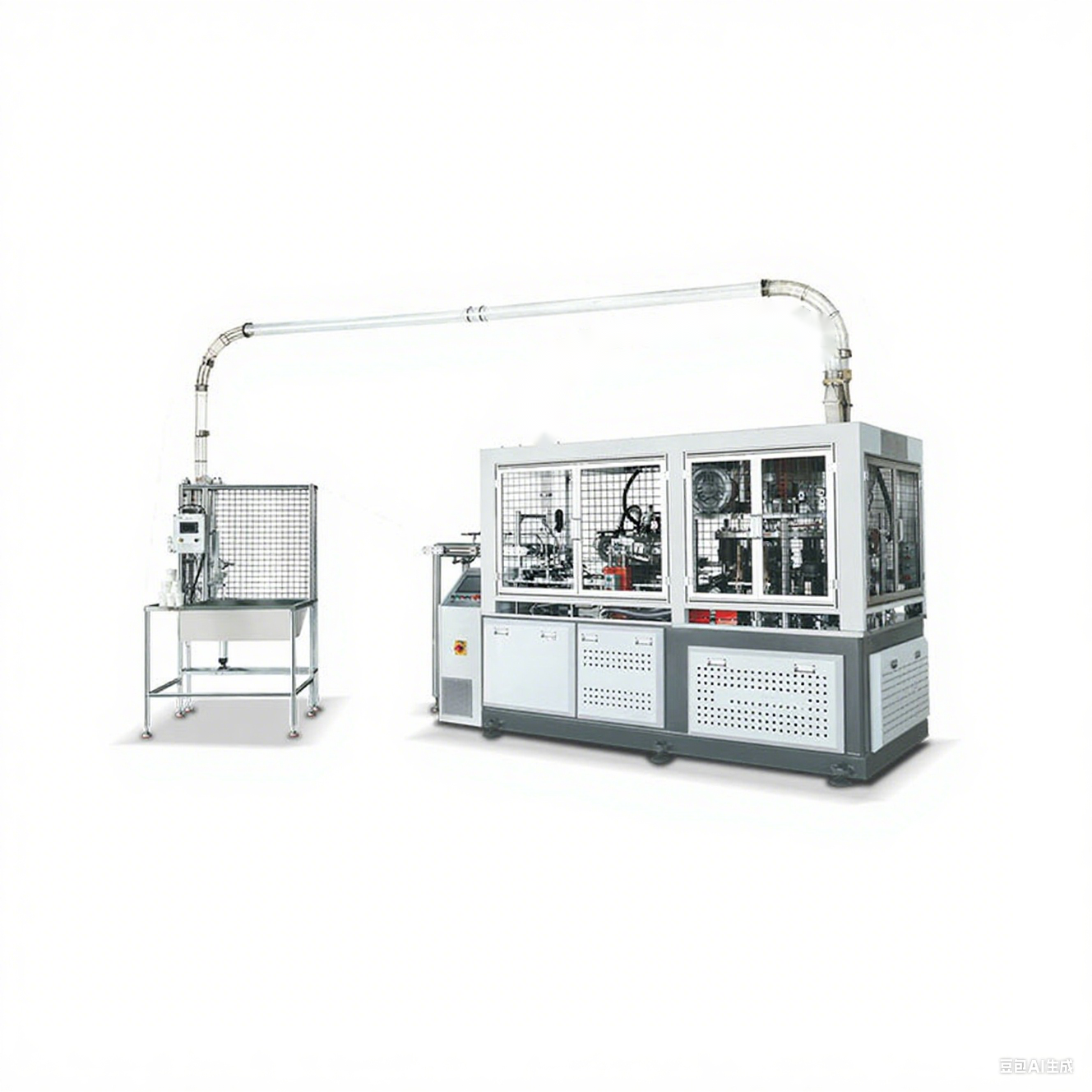
Understanding Energy Consumption in Paper Cup Machine Operations
Why Traditional Paper Cup Machines Use Excessive Energy
Traditional paper cup machines consume 180–220 kWh daily due to outdated steam drying systems and uninsulated heat transfer components (Ruidamachine 2023). These systems lose 30–40% of thermal energy through exhaust vents and unoptimized motor cycles. Legacy designs lack automation, requiring constant maximum power even during idle periods.
How Energy Use Impacts Operational Costs and Profitability
Energy accounts for 38% of variable costs in paper cup manufacturing. A mid-sized facility using traditional machines spends $27,000–$33,000 annually on electricity alone. Modern energy-efficient paper cup machines reduce this by 45%, directly improving profit margins by 9–12% according to manufacturing cost analyses.
Real-World Insights: Energy Audits in Mid-Scale Production Facilities
A 2023 audit of 12 Asian plants revealed:
- 63% had unmonitored compressed air leaks wasting 15–22 kWh/day
- 41% operated heaters at 15°C above optimal temperatures
After implementing heat recovery systems, facilities reduced energy use by 35% while maintaining output volumes.
The Growing Importance of Energy Management in the Paper Cup Industry
Regulatory fines for carbon-intensive manufacturing rose 28% globally in 2023, pushing 76% of EU paper cup producers to adopt ISO 50001 energy management systems. Brands now prioritize suppliers with energy KPIs, as 61% of consumers factor sustainability into purchasing decisions (Pact Collective 2023).
Benchmarking Performance: Comparing Energy Efficiency Across Paper Cup Machine Models
| Metric | Traditional Machines | Modern High-Efficiency Models |
|---|---|---|
| kWh per 1,000 cups | 8.2–9.5 | 4.1–4.8 |
| Heat Recovery Efficiency | 52% | 89% |
| Idle Power Draw | 2.8 kW | 0.4 kW |
Data from industry benchmarking studies show modern machines achieve 110% ROI within 3 years through reduced energy demand.
Core Technologies Driving Energy Efficiency in Paper Cup Machines
Reducing Waste Heat: The Shift from Conventional to Smart Drying Systems
The latest paper cup manufacturing equipment now features intelligent drying systems equipped with built-in sensors that automatically tweak temperature settings according to how thick the material is and what the surrounding air conditions are like. These smart systems cut down on wasted heat by around 35% when compared to older models that kept temperatures constant no matter what. According to research published last year from the US Department of Energy, companies that upgraded their standard dryers with artificial intelligence controlled systems saw their energy consumption drop by about 21% across medium sized operations. The ability to detect moisture levels as they happen stops cups from getting dried out too much, something that used to waste between 15 and 20 percent of all energy spent during production runs.
Steam and Heat Recovery Systems: Key to Lowering Energy Demand
The closed loop steam recovery systems used in paper cup manufacturing can actually grab back around 60% of the thermal energy that would otherwise be wasted. Plants that have implemented such systems are seeing some serious savings too, with reports showing their yearly energy bills dropping between eighteen thousand to twenty five thousand dollars for each production line. For processes involving things like polyethylene coating, regenerative thermal oxidizers work wonders by heating fresh air using hot exhaust gases, which cuts down on natural gas usage by almost half. Recent studies from 2024 looking at paper cup factories across Asia found something pretty impressive as well – when companies recover waste heat properly, they manage to reduce carbon emissions by approximately twelve point eight metric tons every year just from one production line alone.
Variable Frequency Drives and Their Role in Optimizing Motor Energy Use
Switching out those old fixed-speed motors for variable frequency drives (VFDs) can cut down on wasted energy during idle times by somewhere between 18% and 32%. What makes these VFDs so effective is their ability to tweak motor speeds based on what's actually needed for tasks like forming, sealing, or cutting materials. This smart adjustment helps avoid all that unnecessary power drain we see in systems that just keep running at full blast regardless of workload. Some numbers from three companies across Europe tell the story pretty well too. After installing VFDs, they saw their yearly electric bills drop anywhere from $7,200 to nearly $10,000 per machine, and got their money back within just over a year in most cases. And there's even more room for improvement when servo-driven actuators come into play. These components basically eliminate those pesky mechanical losses that happen in traditional bottom-curling setups, making everything run smoother while saving even more energy.
IoT Integration for Real-Time Monitoring of Paper Cup Machine Energy Consumption
Paper cup machines connected to IoT systems give detailed energy readings through their dashboards. These readings help spot problems such as compressed air leaks that can waste between 6 and 9 percent extra power. At a manufacturing plant in Ohio, operators cut their peak demand costs down by almost 20% once they saw from the data that several auxiliary systems were running needlessly during nighttime hours when no production was happening. Another benefit comes from predictive maintenance features built into these platforms. Motor breakdowns account for around 14% of all unexpected stoppages in older equipment setups, but this drops significantly with regular monitoring. Companies that have implemented real time tracking systems generally respond about 25-30% quicker when there are issues affecting operational efficiency.
Case Study: Regenerative Thermal Oxidizers in Asian Paper Cup Manufacturing Plants
A paper cup manufacturing facility in Southeast Asia managed to slash its natural gas consumption by almost 40% once they put in place these things called regenerative thermal oxidizers or RTOs for short. These RTO systems actually capture about 95 percent of the heat generated during production and send it right back into the drying areas, so there's no longer any need for those extra burners that used to run alongside. Looking at their records over the past year shows that this change shaved around $210k off their annual energy bills too, plus their volatile organic compound emissions dropped way below what regulators require – somewhere around ninety percent under limit actually. Pretty impressive results if you ask me. Word got out about how well this worked, so now eleven other plants in the region have followed suit, together cutting down on electricity usage by roughly six million kilowatt hours every single year.
Automation and Process Optimization for Sustainable Paper Cup Production
How Automation Reduces Energy Waste in Forming and Sealing Processes
Paper cup machines that are automated cut down on those energy hungry manual steps thanks to precision sensors that control heat and pressure while shaping cups. The sealing systems in these machines actually bring down thermal overshoot somewhere between 18 to 22 percent when compared with what happens during manual work, which means fewer kilowatt hours get eaten up overall. What really matters though is how closed loop controls keep temperatures just right throughout the forming process. This stops all that heat from escaping, something that wastes about 30% of energy in older style machines according to industry reports. Manufacturers have noticed this difference firsthand as they upgrade their equipment.
Smart Control Systems That Adapt to Production Load and Energy Demand
Smart controllers powered by artificial intelligence can tweak motor speeds and drying times as needed depending on how much product is being made at any given moment. For instance, when orders slow down during off-peak hours, these intelligent systems cut back on power consumption somewhere around 35 to maybe even 40 percent while still keeping the final product looking good. That kind of adaptability just isn't possible with older fixed speed equipment. The machine learning aspect works behind the scenes too, figuring out when maintenance should happen before problems arise. This proactive approach cuts down on those surprise breakdowns which tend to waste about 15% more energy compared to what happens in factories still relying on manual scheduling methods.
Sustainable Paper Processing Techniques That Enhance Overall Efficiency
- Low-moisture adhesives: Reduce drying energy by 25%
- Precision blanking systems: Cut paper waste to <2%, lowering material-related energy costs
- Bio-based coatings: Eliminate 50% of VOC treatment energy vs petroleum alternatives
Closed-Loop Water and Heat Systems as Part of Eco-Friendly Manufacturing
Forward-thinking manufacturers reuse 85% of process heat through regenerative thermal exchangers. A single energy recovery system can save 740,000 kWh annually in mid-sized plants—equivalent to powering 70 households for a year. These systems pair with automated water filtration to slash both energy and freshwater use by 60% compared to open-loop designs.
Cost-Benefit Analysis: Standard vs. Energy-Efficient Paper Cup Machines
Comparing Energy Use in Conventional and High-Efficiency Paper Cup Machines
Modern energy-efficient paper cup machines reduce energy consumption by 34–40% compared to conventional models, according to a 2023 industry analysis of 18 production lines. The disparity stems from improvements like variable frequency drives optimizing motor loads and smart drying systems minimizing heat waste.
| Metric | Traditional Machines | Modern Eco Machines |
|---|---|---|
| Energy Use (kWh/day) | 180–220 | 100–140 |
| CO₂ Emissions (tons/year) | ~42 | ~26 |
These figures highlight why leading manufacturers increasingly prioritize energy-efficient paper cup machines to meet tightening environmental regulations.
Balancing Upfront Investment with Long-Term Energy and Maintenance Savings
While high-efficiency models cost 15–25% more upfront ($220k–$280k vs. $190k–$240k), they cut operational expenses through:
- 38% lower energy bills (Ponemon 2023)
- Reduced maintenance frequency due to IoT-predictive diagnostics
- 12–18% higher output consistency from automated process controls
A 2023 cost-benefit study showed facilities recoup the premium within 2.3 years through these savings.
Lifecycle ROI of Modern Energy-Efficient Paper Cup Forming Machines
Over a 10-year lifespan, energy-efficient machines deliver $740k–$920k in net savings per line by slashing energy use and downtime. Facilities using smart heat recovery systems report 22% faster ROI due to integrated energy monitoring capabilities, which dynamically adjust power draw during off-peak production periods.
FAQ
Why do traditional paper cup machines consume more energy?
Traditional paper cup machines use more energy due to outdated steam drying systems, uninsulated heat transfer components, and a lack of automation, necessitating constant maximum power usage even during idle periods.
How does energy efficiency affect profitability in paper cup manufacturing?
Improved energy efficiency can reduce operational costs, and energy expense can be reduced by 45% with modern equipment, leading to a direct profit margin improvement by 9–12%.
What core technologies contribute to energy efficiency in paper cup machines?
Core technologies include smart drying systems, closed-loop steam recovery systems, variable frequency drives, and IoT integration for real-time energy monitoring.
Are energy-efficient paper cup machines financially viable in the long term?
Yes, while they cost more upfront, energy-efficient machines lower operational costs, achieve faster ROI, and provide significant savings over their lifespan.
What impact do energy-saving innovations have on environmental compliance?
Energy-saving innovations help reduce CO₂ emissions and align with tightening environmental regulations, making them increasingly necessary for compliance and sustainability.
Table of Contents
-
Understanding Energy Consumption in Paper Cup Machine Operations
- Why Traditional Paper Cup Machines Use Excessive Energy
- How Energy Use Impacts Operational Costs and Profitability
- Real-World Insights: Energy Audits in Mid-Scale Production Facilities
- The Growing Importance of Energy Management in the Paper Cup Industry
- Benchmarking Performance: Comparing Energy Efficiency Across Paper Cup Machine Models
-
Core Technologies Driving Energy Efficiency in Paper Cup Machines
- Reducing Waste Heat: The Shift from Conventional to Smart Drying Systems
- Steam and Heat Recovery Systems: Key to Lowering Energy Demand
- Variable Frequency Drives and Their Role in Optimizing Motor Energy Use
- IoT Integration for Real-Time Monitoring of Paper Cup Machine Energy Consumption
- Case Study: Regenerative Thermal Oxidizers in Asian Paper Cup Manufacturing Plants
- Automation and Process Optimization for Sustainable Paper Cup Production
- Cost-Benefit Analysis: Standard vs. Energy-Efficient Paper Cup Machines
-
FAQ
- Why do traditional paper cup machines consume more energy?
- How does energy efficiency affect profitability in paper cup manufacturing?
- What core technologies contribute to energy efficiency in paper cup machines?
- Are energy-efficient paper cup machines financially viable in the long term?
- What impact do energy-saving innovations have on environmental compliance?