 EN
EN
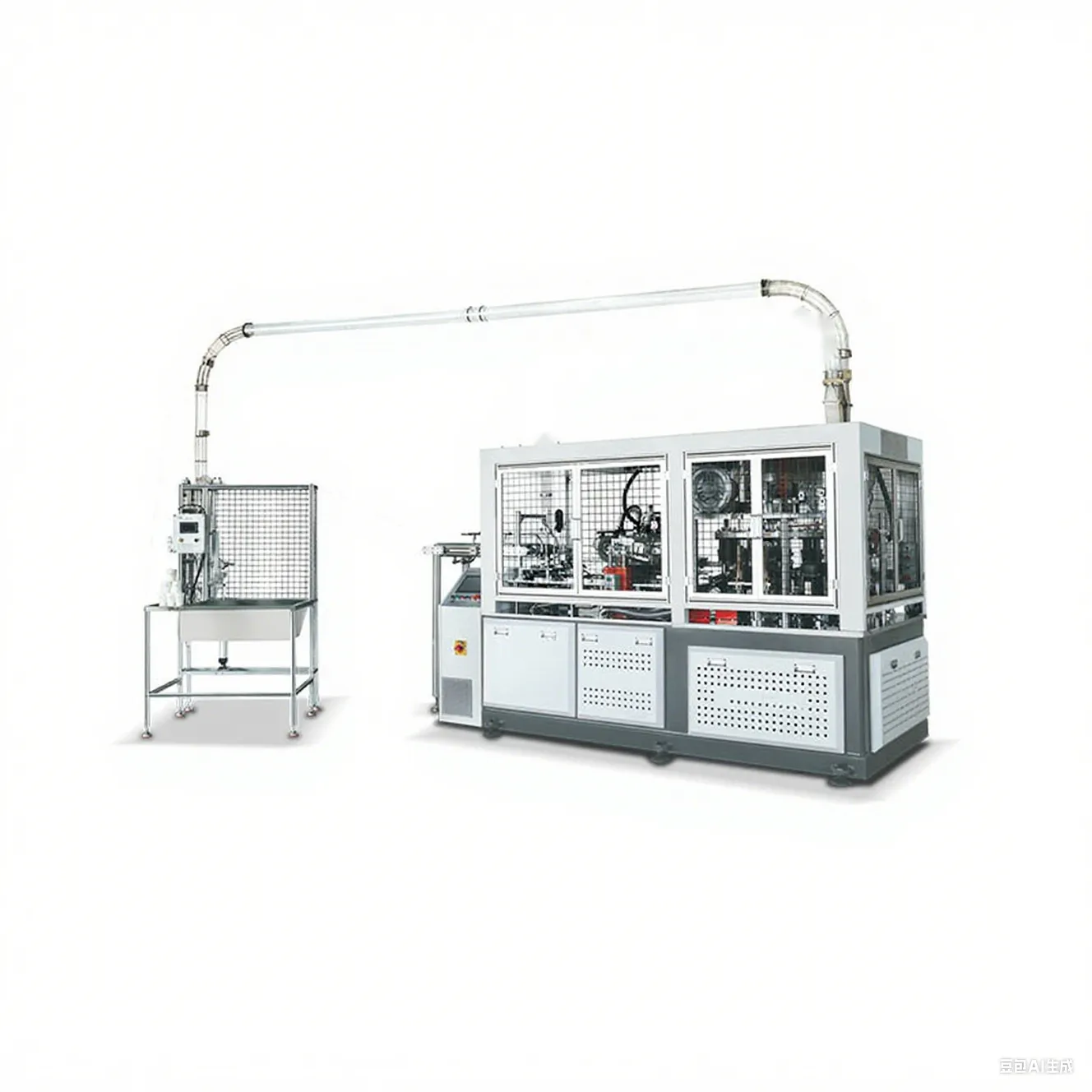
How Paper Cup Making Machines Enable the Shift to Sustainable Packaging
Supporting the transition from plastic to biodegradable packaging solutions
Restaurants and cafes around the world are swapping out plastic for paper products these days, mainly because governments keep cracking down on plastic waste and people just don't want to see their trash pile up anymore. Let's look at the numbers: since the beginning of 2020, about 127 nations have put limits on single use plastics. And here in North America, roughly eight out of ten customers prefer containers that will break down naturally. That explains why paper cup manufacturing equipment has become so important lately. These machines let businesses mass produce compostable cups made from stuff like bamboo fibers and certified sustainable paper pulp. The result? A real alternative to those oil based plastics we've been relying on for decades.
Integration of renewable, biodegradable materials in modern paper cup production
New machines are now able to work with eco-friendly materials like bagasse, which is basically sugarcane waste, along with those special algae based liners that don't require any polyethylene coatings anymore. When it comes to keeping drinks cold, there's this corn starch barrier that actually works pretty well against leaks and will break down completely in about six months if tossed into an industrial composter. The cool thing about all these developments is they cut down on our dependency on oil based products while still maintaining good old fashioned strength and reliability in the final product.
Meeting global consumer demand for eco-friendly alternatives to single-use plastics
According to a recent Nielsen report from 2023, about two thirds of people around the globe are now steering clear of those one time use plastic items. That trend has definitely pushed up the need for eco friendly packaging solutions across many industries. The good news is manufacturers have made serious progress in this area. Modern day paper cup production lines can crank out over 400 units every single minute these days, which actually brings them on par with what traditional plastic manufacturing costs. For businesses trying to green their operations while still keeping the bottom line healthy, this kind of scale makes all the difference. Companies no longer have to choose between going green and staying profitable when they switch to these alternatives.
Case study: A leading machinery manufacturer's role in green packaging innovation
A major player in the manufacturing sector recently rolled out a production system that keeps almost all waste out of landfills, managing to reuse 99 point something percent of their raw materials. The company's newer machines run on servos and consume far less power than previous versions, cutting down carbon output by around 40%. Plus, they designed these systems with modularity in mind so they can easily incorporate emerging materials such as those made from mushroom roots in the future. What we're seeing here is not just clever engineering but a real shift toward practices that align with circular economy thinking across the manufacturing world.
Technological Innovations Enhancing Sustainability in Paper Cup Manufacturing
Evolution of paper cup making machines: From mechanical to full servo systems
The paper cup manufacturing process has come a long way since those old fashioned mechanical setups that guzzled energy. Back in the day, many machines were throwing away around 30% of their raw materials while burning through loads of electricity. Today's servo driven systems tell a different story though, hitting close to 95% efficiency when it comes to material usage. What really makes these newer machines stand out is their built in IoT connected PLC controls. These smart components constantly tweak settings on the fly, which cuts down energy consumption by roughly 40% when compared to equipment from ten years ago. Manufacturers now get consistently good results with wall thicknesses staying right around 0.15 to 0.25 millimeters thick. And production speeds? They can crank out as many as 400 cups every single minute, making for better product quality overall while also being kinder to the environment.
Energy efficiency and sustainability features of modern paper cup machines
Modern equipment now features multiple stage heat recovery systems which can capture around two thirds of the thermal energy that would otherwise go to waste. The variable frequency drives or VFDs as they're called adjust motor performance based on what's actually needed at any given moment, so factories aren't wasting electricity when machines are just sitting there doing nothing. Some models even work well with solar panels, reducing how much power needs to come from traditional grids. This helps cut down carbon emissions somewhere between 25 to 30 percent depending on location and usage patterns. All these improvements make it easier for manufacturers to meet those tough energy efficiency requirements set by regulators across Europe and elsewhere, something that becomes increasingly important as environmental laws keep getting stricter year after year.
Advanced materials and processes that reduce environmental impact
The innovation wave isn't just about gadgets anymore but also about what materials we're using. Water based coatings are starting to take the place of most polyethylene layers these days. They keep liquids out pretty well too, holding up for several hours at least. Then there's this stuff called PLA, made from leftover crops and plant matter. When tossed into an industrial composter, it breaks down in around six months instead of taking centuries like regular plastic does. Some companies are experimenting with nano cellulose treatments that make things stronger without all those harmful chemicals. Early tests show they cut down on bad air emissions quite a bit, maybe cutting them almost in half. These kinds of developments point toward a future where manufacturing doesn't cost so much to the environment.
Regulatory and Environmental Forces Accelerating Adoption of Paper Cup Machines
Global Plastic Bans and Regulations Driving Demand for Paper Cup Making Machine Solutions
Over 130 nations around the world have put restrictions on single use plastics since 2020, ranging from partial bans to full prohibitions. The EU recently rolled out its 2023 directive aiming to cut down disposable plastic food packaging by 65% before 2025 hits. These regulations are creating quite a stir in the market place. According to Market Research Future data from last year, demand for paper cup making machines has grown at about 28% each year. Companies racing against these compliance timelines are turning to faster production lines that can crank out over ten thousand biodegradable cups every hour. Some newer models using energy efficient servos actually save manufacturers around 19% on running costs when compared to older hydraulic systems.
Compliance With Environmental Standards in Sustainable Paper Cup Manufacturing
Top-tier machinery manufacturers achieve 98.5% compliance with ISO 14001 standards through key innovations:
- Water-based adhesive systems that eliminate solvent emissions
- Precision blanking technology reducing paper waste by 23%
- Real-time energy monitoring systems cutting power consumption by 31%
Facilities using these advanced machines reduce lifecycle carbon emissions by an average of 12.7 metric tons per million cups produced, according to 2024 industry analysis.
Reducing Plastic Pollution Through Scalable Paper Cup Production
When running at full capacity, a modern paper cup production line keeps about 18 plastic waste items out of landfills each second. Looking at the bigger picture, these machines really make an impact over time. A single unit working for five years would replace around 7.2 million plastic cups total. To put that number into perspective, imagine laying down plastic sheets across 84 football fields, each just half a millimeter thick. That's basically what we avoid when switching to paper alternatives. Some interesting regional findings back this up too. Places where there are more than 15 such machines available for every million residents tend to see roughly 43 percent fewer plastic cups floating around in local waterways according to recent studies from Global Environmental Monitor in 2023.
Sustainable Sourcing, Biodegradability, and End-of-Life Management of Paper Cups
Responsible Fiber Sourcing and Use of Renewable Raw Materials
Modern paper cup manufacturing equipment can actually work with sustainably harvested materials these days. We're talking about things like paperboard that has the FSC certification mark on it, plus all sorts of plant based leftovers from farming operations such as what remains after processing sugarcane. According to recent data from the Sustainable Packaging Coalition released last year, around nearly half of what goes into making environmentally friendly cups comes from these kinds of renewable sources. The top manufacturers have started adding those special biodegradable PLA coatings too. These coatings take the place of old fashioned plastic films made from oil products without sacrificing how well the cups hold up whether someone wants coffee or ice water inside them.
Key Environmental Advantages: Biodegradability, Recyclability, and Lower Pollution
When properly processed, paper cups with plant-based liners decompose in 6–12 months under industrial composting conditions–compared to over 450 years for plastic counterparts. A 2024 circular economy study found such cups reduce aquatic toxicity by 83%. Uncoated paper cups achieve recyclability rates above 92% through standard recycling streams, offering a cleaner end-of-life pathway.
Overcoming Recycling Challenges for PE-Coated Paper Cups with New Technologies
Traditional polyethylene-lined cups hinder recycling due to contamination risks. However, modern production lines now employ solutions such as:
- Water-based dispersion coatings compatible with pulp recycling
- Thin PLA layers that dissolve during repulping
- Chemical-free thermal bonding methods
According to a 2025 end-of-life analysis, these technologies increase municipal recovery rates of recyclable paper cups to 78%, even while maintaining structural integrity and leak resistance through precise servo-controlled forming.
Growing Market Demand and Consumer Trends Behind the Rise of Eco-Friendly Packaging
Rising Consumer Awareness Fuels Demand for Sustainable Packaging Options
People care more about the environment these days, and it's changing what they buy. The latest report from 2025 on sustainable packaging says around 9 out of 10 shoppers want brands that use green packaging options. Younger folks seem to be leading this charge too. Millennials and Gen Z customers will actually pay extra for products that don't harm the planet, studies show they're roughly twice as willing to spend more on sustainable stuff compared to older generations. Because of this shift, many restaurants and stores have started investing in special machines that make paper cups from things like sugarcane waste and corn starch instead of plastic. These changes help businesses meet what customers expect while also ticking boxes for those big environmental goals companies need to hit nowadays.
The Green Revolution Shaping Brand Strategies and Packaging Choices
Sustainability now influences 68% of packaging decisions in the food and beverage sector, as companies seek competitive differentiation. By integrating paper cup production systems that cut plastic usage by up to 92%, brands strengthen compliance with emerging regulations and tap into the projected $210 billion sustainable packaging market by 2027.
Expanding Market for Paper Cup Making Machines Driven by Sustainability Goals
The paper cup machinery sector around the world has been growing steadily, currently at about 11.4% year over year growth rate. This expansion comes as countries continue to implement restrictions on plastics, with over 130 new bans added globally in recent years. Newer equipment now incorporates eco friendly coatings and uses water based glues instead of petroleum based ones, which helps tackle most of the problems that kept old style PE lined cups out of recycling streams. For manufacturers looking to stay compliant while appealing to environmentally conscious buyers, these advancements make it possible to satisfy both the strict regulations from the EU's Single Use Plastics Directive and what customers increasingly want when they ask for packaging that actually works within closed loop systems.
Paper Cup Making Machines: Frequently Asked Questions
What are the main materials used in modern paper cup manufacturing?
Modern paper cup manufacturing uses biodegradable and renewable materials such as bagasse (sugarcane waste), bamboo fibers, certified sustainable paper pulp, PLA, corn starch barriers, and special algae-based liners without polyethylene coatings.
How do paper cup making machines contribute to sustainability?
These machines facilitate the mass production of biodegradable cups which help reduce reliance on plastic. They integrate with eco-friendly materials and advanced technologies to reduce energy consumption and carbon emissions, contributing positively to the environment.
What technological advancements are involved in paper cup manufacturing?
Recent advancements include full servo systems, IoT-connected PLC controls for higher efficiency, multiple-stage heat recovery systems, and integration with solar panels for energy efficiency, all contributing to sustainable production.
How do global regulations affect the paper cup machine market?
Stricter global plastic bans and regulations are accelerating the demand for paper cup making machines as businesses seek to comply with environmental standards. Innovations in machines help meet these demands while maintain profitability.
Table of Contents
-
How Paper Cup Making Machines Enable the Shift to Sustainable Packaging
- Supporting the transition from plastic to biodegradable packaging solutions
- Integration of renewable, biodegradable materials in modern paper cup production
- Meeting global consumer demand for eco-friendly alternatives to single-use plastics
- Case study: A leading machinery manufacturer's role in green packaging innovation
- Technological Innovations Enhancing Sustainability in Paper Cup Manufacturing
- Regulatory and Environmental Forces Accelerating Adoption of Paper Cup Machines
- Sustainable Sourcing, Biodegradability, and End-of-Life Management of Paper Cups
- Growing Market Demand and Consumer Trends Behind the Rise of Eco-Friendly Packaging
- Paper Cup Making Machines: Frequently Asked Questions