 EN
EN
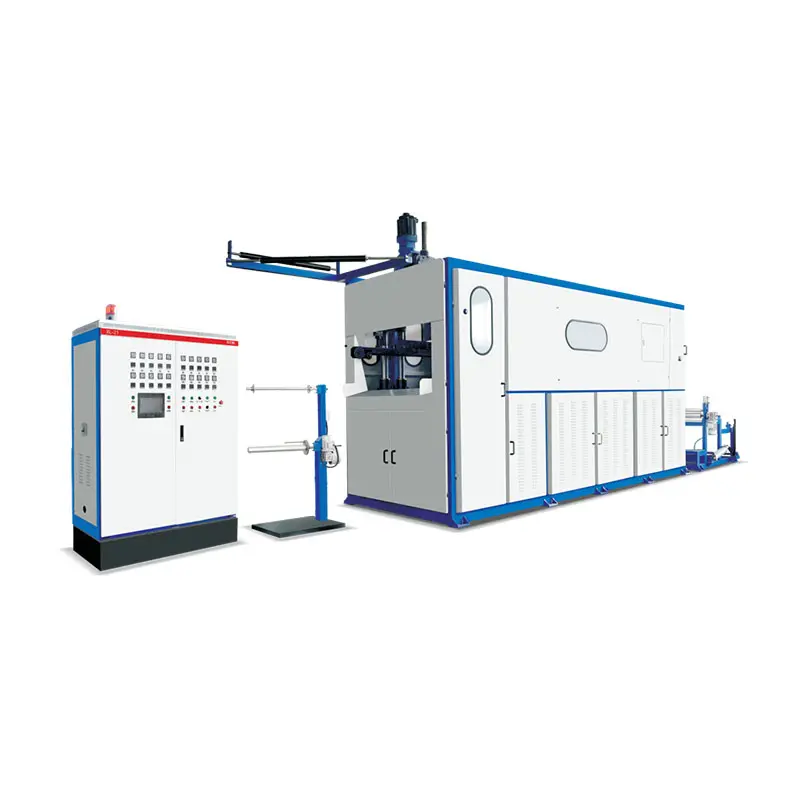
What Is a Paper Cup Making Machine?
Paper cup making machines are basically automated systems that take plain paper rolls and turn them into those single use cups we see everywhere. The process involves shaping the paper, sealing it properly, and then curling the edges just right. Most machines can work with different kinds of paper these days too, including regular plastic coated stuff as well as some eco friendly options lined with plant based materials. That helps companies meet their green targets. Looking at what's inside these modern machines, they typically have things like rollers that feed the paper, gluing stations, and heavy duty presses. Production speeds vary quite a bit though, somewhere around 80 to maybe 400 cups every minute depending on how advanced the setup actually is.
Purpose in Modern Packaging and Disposable Food Service
More businesses are turning to single-use packaging these days, which has boosted the market for paper cup machines everywhere from local cafes to national fast food outlets and even office supply stores. What makes these machines so popular? Well, they help keep things clean when handling food, let companies produce their own branded cups at lower costs, and many now offer eco-friendly compostable materials as an option. For businesses that invest in the bigger industrial versions, the savings can be substantial. Some operators report cutting their cup expenses nearly in half compared to buying ready made cups from outside vendors, though actual savings depend on volume and usage patterns.
How Does a Paper Cup Machine Work? Overview of the Process
- Material Feeding: Rolls of coated paper enter the system through automated unwinders.
- Printing/Die-Cutting: Custom designs or logos are added before cutting paper into cup body blanks.
- Cup Forming: Blanks are wrapped around molds, glued, and pressed into cylindrical shapes.
- Bottom Sealing: Heat or ultrasonic technology creates leak-proof bases.
- Rim Curling: Upper edges are rolled for comfortable lip contact and structural stability.
Contemporary models achieve 0.2mm seam tolerance using servo-driven actuators, outperforming older mechanical systems by 40% in precision. Operators monitor throughput via PLC interfaces, adjusting parameters like glue viscosity and curing temperatures in real time.
Types of Paper Cup Machines: From Manual to Full Automation
Manual Paper Cup Machines: Low-Cost Option for Small-Scale Production
For startups and smaller operations getting into the paper cup business, manual machines represent a much more affordable starting point. Most models fall somewhere between eight thousand to fifteen thousand dollars on average. The operator does all the work themselves feeding paper stock and removing finished cups from the machine, which typically churns out around forty to sixty cups every minute. Sure, having to manually run things does slow down production when demand spikes, but it saves companies a lot of money upfront. Industry numbers show these manual setups can cut initial investment costs anywhere from sixty to seventy five percent versus going fully automatic. That makes them pretty attractive for specialty coffee shops or event vendors who need custom shapes and sizes but don't require massive quantities day after day.
Semi-Automatic Machines: Balancing Control and Output Efficiency
Semi automatic machines handle key tasks such as side sealing and bottom punching but still need someone watching over them for quality control. These machines can crank out between 80 to 120 cups per minute, which works great for local coffee shops or moderate sized gatherings. According to some research from last year, businesses using these semi auto systems saw their labor expenses drop around 35 percent when compared to fully manual operations. Plus they stay adaptable enough to handle those busy holiday rushes or slower winter months without too much hassle.
Fully Automatic Paper Cup Making Machines: High-Speed Industrial Solutions
Fully automated machines dominate large-scale manufacturing, producing 200–400+ CPM with servo-driven precision. Integrated systems synchronize unwinding, printing, and stacking, minimizing human intervention. High-speed models can generate 1.2 million cups daily, making them essential for global beverage chains. Their $80,000–$250,000 price tag is offset by 85–90% lower per-unit labor costs compared to manual alternatives.
Mechanical vs. Servo-Driven Technology: Performance and Precision Compared
Traditional mechanical systems rely on cam and gear setups for standard cup profiles, typically running around 65 to 75 decibels in noise level. The newer servo driven machines work differently though. They use these fancy programmable logic controllers, or PLCs as they're called, to fine tune things like forming pressure within about plus or minus 0.02 Newtons and keep heating temps stable within just one degree Celsius difference. This kind of control lets manufacturers create those tricky double wall espresso cups that regular machines can't handle. Sure, servo models come with a higher price tag, usually 20 to 30 percent more than conventional ones when bought new. But what manufacturers save in material waste makes up for it over time. Studies show these precision controlled systems cut down on wasted materials by somewhere between 12 and 18 percent, which adds up nicely on production lines where every gram counts.
The Step-by-Step Paper Cup Production Process
From Raw Material to Finished Cup: An Integrated Workflow
The paper cup making machine begins with FSC-certified paper rolls coated with polyethylene (PE) or polylactic acid (PLA) for liquid resistance. These rolls are fed into an unwinder, where the paper is precisely cut into fan-shaped sheets. Advanced machines maintain ≤1% material waste during this phase through synchronized feeding.
Printing and Die-Cutting: Adding Branding and Shape Precision
High-resolution flexographic or offset printers apply branding designs before die-cutting units trim the sheets into pre-measured cup blanks. Servo-driven systems achieve ±0.2 mm cutting accuracy, ensuring consistent cup dimensions critical for downstream forming.
Forming, Sealing, and Curling: How Cups Take Final Shape
Blanks are wrapped around conical molds, where heat-activated adhesives seal vertical seams at 160–180°C. Bottom presses fuse pre-cut bases using 8–12 psi pressure, while rim-curling stations create smooth, drinker-friendly edges.
Material Compatibility: PE-Coated vs. PLA-Coated Paper for Eco-Friendly Options
| Material | Decomposition Time | Heat Resistance | Cost Premium |
|---|---|---|---|
| PE-Coated | 20–30 years | Up to 95°C | 0% |
| PLA-Coated | 90–180 days* | Up to 60°C | 15–20% |
*Under commercial composting conditions. PLA’s plant-based composition reduces microplastic risks, as highlighted in biodegradability research. Semi-automatic machines often support both coatings, allowing producers to meet diverse regulatory and sustainability requirements.
Key Components and Functional Mechanisms of a Paper Cup Forming Machine
Role of the Forming Machine in the Production Line
At the heart of the operation sits the paper cup forming machine, which takes those flat sheets of paper and turns them into actual cups that people can hold and drink from. These machines work their magic through a combination of moving parts and heat application, making sure everything lines up just right so nothing gets messed up during production. Some top end models can crank out around 120 cups every single minute without breaking a sweat. What sets these newer machines apart from older ones is their built in inspection systems that catch bad cups before they even leave the line, saving time and materials down the road when defects would otherwise cause problems later on.
Core Functions: Gluing, Heating, Pressing, and Shaping Explained
These machines execute four critical functions:
- Gluing: Adhesive application ensures leak-proof side seams.
- Heating: Thermally activated PE or PLA coatings bond layers at 160–180°C.
- Pressing: Hydraulic systems apply 8–12 psi pressure for structural integrity.
- Shaping: Rotary dies mold cup walls and bottoms within ±0.2 mm tolerances.
Programmable Logic Controllers (PLCs) coordinate these steps, achieving 98% operational efficiency in servo-driven models according to 2023 packaging industry benchmarks.
Integration with Other Units: Unwinders, Printers, and Stackers
The forming machines work together with everything before and after them in the production line to get the most out of each batch. The unwinders put coated paper rolls through the system at just the right speed for making cups, and the inline printers slap on logos and designs with pretty much spot-on accuracy - within half a millimeter or so. After the cups take shape, automated stackers sort them into groups of around 50 to 100 pieces each. This cuts down on manual labor quite a bit actually, somewhere around two thirds less than what we see in older semi-automated setups. And for companies worried about their environmental impact, these integrated systems make it easy to switch back and forth between regular plastic-coated paper and those newer compostable PLA options without missing a beat in production.
Production Capacity, Efficiency, and Business Advantages
Cups Per Minute: Output Rates by Machine Type and Scale
Paper cup making machines vary significantly in output based on automation. Manual models produce 10–20 cups/minute, suitable for boutique operations, while semi-automatic machines reach 40–80 cups/minute with minimal staffing. Industrial-grade automatic machines generate 200–400 cups/minute through continuous servo-driven processes.
| Machine Type | Output Range (Cups/Minute) | Ideal Use Case |
|---|---|---|
| Manual | 10–20 | Startups, custom orders |
| Semi-Automatic | 40–80 | Medium businesses |
| Fully Automatic | 200–400 | High-volume manufacturers |
Maximizing Uptime: Speed, Maintenance, and Operational Efficiency
Optimizing machine availability requires balancing speed with preventive maintenance. Studies show unplanned downtime costs manufacturers $740k annually (Ponemon 2023), underscoring the importance of scheduled lubrication, belt inspections, and heater calibration. Real-time IoT monitoring systems now reduce unexpected halts by 32% in servo-driven models while maintaining ISO 9001-compliant output.
Why Invest in a Paper Cup Making Machine? Cost Savings and Customization Benefits
When companies make their own cups instead of sending work out, they typically cut down on cost per unit anywhere from 40 to 60 percent. This happens because making things in bulk just makes financial sense. The automated production lines manage to use about 98 percent of materials thanks to those super accurate cutting processes. And the best part? The modular design means changing logos or sizes isn't such a big deal anymore, which really matters when preparing for holiday promotions or special events throughout the year. According to some research done last year, around two thirds of restaurant chains actually look for cup suppliers who can deliver custom branded cups within three days or less these days.
Sustainability and Branding: Eco-Friendly Production and Design Flexibility
Modern machines seamlessly process PLA-coated and recyclable papers, reducing landfill contributions by 83% versus traditional PE-coated cups (Sustainable Packaging Coalition 2023). Digital printing modules enable small-batch eco-designs, aligning with Nielsen’s finding that 78% of consumers favor brands using biodegradable packaging.
FAQ
What is a paper cup making machine?
A paper cup making machine is an automated system that transforms plain paper rolls into single-use cups. The machine shapes, seals, and curls paper edges to create these cups, typically handling materials like plastic-coated or eco-friendly plant-based paper.
What are the benefits of using paper cup making machines?
Paper cup making machines offer several benefits, such as cleanliness in food handling, cost savings on custom-branded cups, and the option to use eco-friendly compostable materials. They also help in achieving green business targets.
How do manual and automatic paper cup machines differ?
Manual machines are cost-effective for small-scale production and require manual operation, producing around 40-60 cups per minute. Automatic machines, on the other hand, are more suited for large-scale production, generating 200-400+ cups per minute with minimal human intervention.
What materials are compatible with paper cup making machines?
Paper cup making machines are compatible with both PE-coated paper, which decomposes in 20-30 years, and PLA-coated paper, which is biodegradable within 90-180 days under commercial composting conditions.
How do machines ensure the quality of paper cups?
Machines use various technologies such as servo-driven actuators and Programmable Logic Controllers (PLCs) for precise adjustments, ensuring high-quality and consistent paper cup production through accurate forming, sealing, and printing processes.
Table of Contents
- What Is a Paper Cup Making Machine?
- Purpose in Modern Packaging and Disposable Food Service
- How Does a Paper Cup Machine Work? Overview of the Process
- Types of Paper Cup Machines: From Manual to Full Automation
- The Step-by-Step Paper Cup Production Process
- Key Components and Functional Mechanisms of a Paper Cup Forming Machine
- Production Capacity, Efficiency, and Business Advantages
- FAQ